Using hydrogen to spark ammonia engines into life
New research suggests as little as 7-8% hydrogen is required to help ignite ammonia fuelled engines, providing the shipping industry with greener horizons.
“Ammonia was first used as a fuel during the second world war, when petrol was hard to get hold of,” explains David Emberson, Associate Professor at NTNU’s Department of Marine Technology.
“It was actually quite a crazy idea because ammonia is a very poisonous, toxic gas.”
Necessity, however, is the mother of invention.
Where fuel shortages drove the development of ammonia engines in the 1940’s, the need for carbon-free propulsion is inspiring a new era today.
The spark of a good idea
Ammonia is abundant and common, and it can be produced using renewable energy. It is a zero-carbon fuel, which produces no carbon dioxide emissions during its use. But ammonia has poor ignition characteristics and will not burn well on its own.

A fleet of Belgian buses during the war ran on a blend of ammonia and coal gas. Photo: Kroch 1945
For an engine to be powered by ammonia, it is usually used alongside another fuel to help ignition. These are known as dual fuel engines.
Coal gas, biofuels and diesel are examples of ignitions fuels – they are used to ‘spark’ ammonia into action.
Diesel shortages during WWII promoted the first real-world use of ammonia. A fleet of Belgian buses were retrofit to run on ammonia, but they required as much as 40% coal gas in the mixture to help them burn.
Ignition fuels re-introduce carbon emissions into the equation, which weakens the case for ammonia engines in today’s market. Engineers are researching carbon-free alternatives and investigating how to use them as efficiently as possible.
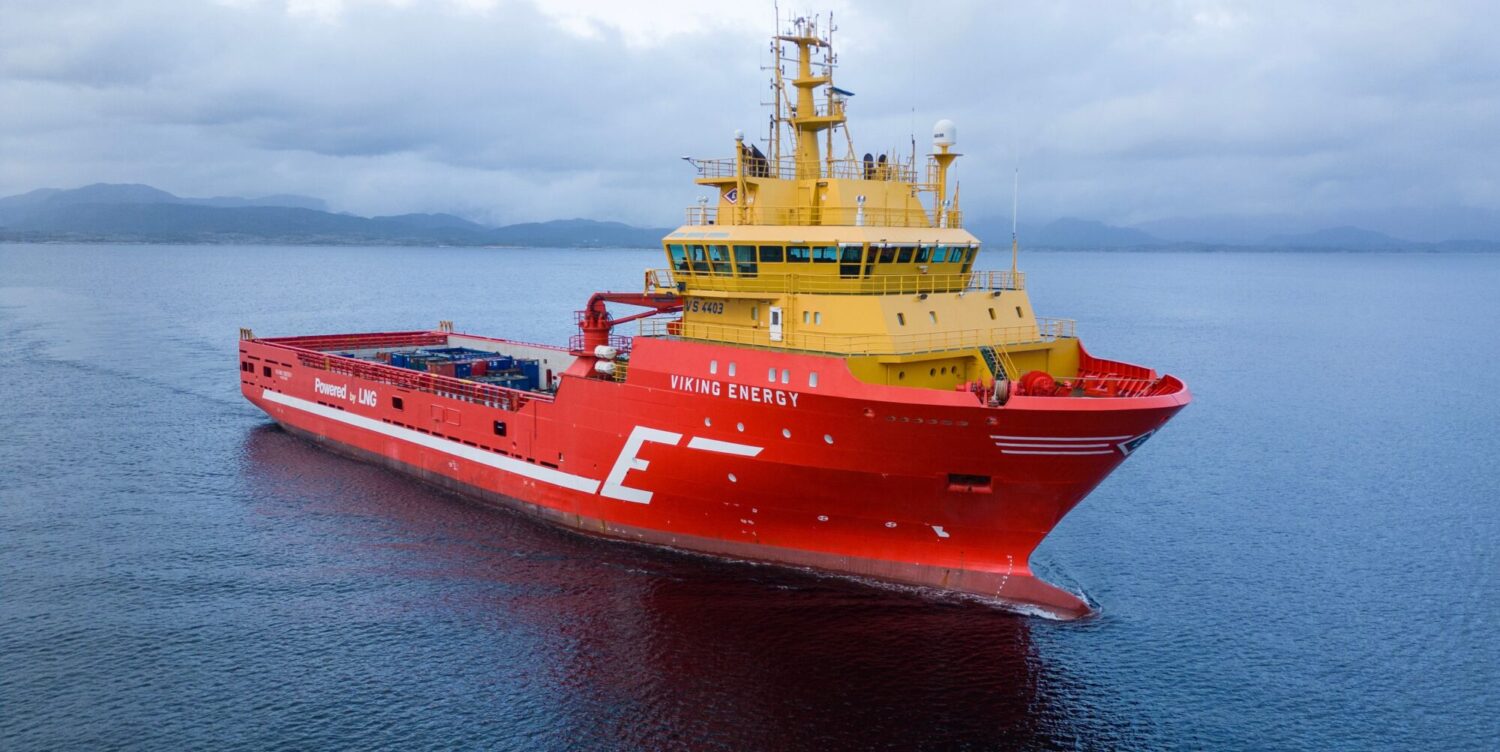
The Viking Energy, a Norwegian offshore platform supply vessel for Equinor. It is undergoing a major conversion to be equipped with an ammonia dual fuel engine, with Marine Gas Oil being used as the pilot fuel. Photo: Peter Tubaas / Equinor
Net zero ammonia engine
Emberson has previously investigated how to minimise the amount of ignition fuel required in a dual fuel system. Using similar techniques, he and his team have now investigated using hydrogen as the ignition fuel in an ammonia engine.
Hydrogen is also a zero-carbon fuel and can be created from the ammonia itself. It’s use would require additional hydrogen storage or onboard equipment to separate the hydrogen from the ammonia as needed. Maximising efficiency is therefore a key priority.
The research by Emberson et al suggests that as little as 7-8% of hydrogen is needed to help ignite the ammonia, if administered in the right way.
Powering the next generation of marine technology
The results could have a profound impact on the technology’s viability in the marine sector.
“The reality is, the marine sector is where we are most likely to carry on using engines and burning fuels for longest period of time,” says Emberson. “Our focus is on how we can shift the sector to low or zero carbon fuels.”
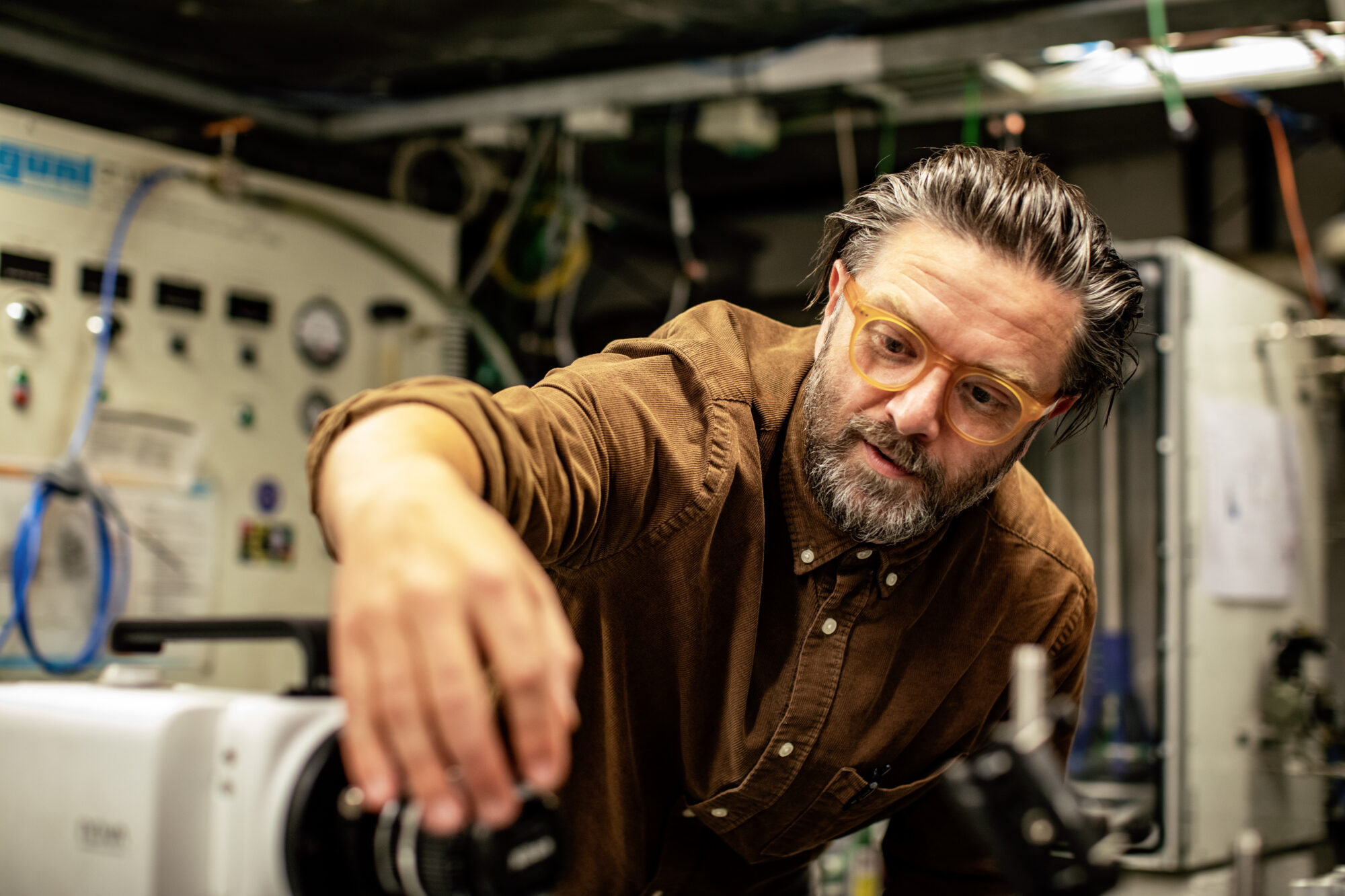
David Emberson, Associate Professor at NTNU’s Department of Marine Technology, researching how to shift the marine sector to low or zero carbon fuels. Photo Wil Lee-Wright / NTNU
Shipping accounts for between 11 and 12% of all transport emissions worldwide. To reduce emissions by 50% (from 2008 levels) by 2050, as agreed by the International Maritime Organisation, there will need to be widescale adoption of alternatives to diesel fuel engines.
“Hydrogen as a fuel is extremely difficult to compress, store and transport. It’s one thing to have a 700-bar container for a hydrogen powered car, like the Toyota Mirai, but to use it for a ship of any size is quite infeasible,” explains Emberson.
The researchers investigated techniques to ignite the ammonia with the least possible hydrogen. Hydrogen combustion produces no carbon but can produce nitrogen oxides which are extremely damaging to the environment. It must also be stored at very high pressure and is extremely explosive. There are significant storage challenges surrounding its use at sea.
Ammonia, although toxic, can be stored at a much more moderate pressure, is not explosive, produces more energy per litre, and is more suited for long distance shipping.
Using a small amount of hydrogen to ignite the ammonia represents a valid combination of the two fuels’ key characteristics.
Cracking ammonia
Ammonia (NH₃) is a simple molecule, composed of one nitrogen atom carrying around three hydrogen atoms. It can therefore be considered as a chemical storage mechanism for hydrogen.
The hydrogen can be retrieved by ‘cracking’ the ammonia – separating it into hydrogen and nitrogen. This process can occur onboard, removing the need to transport large quantities of the volatile fuel.
Emberson believes this technology could even be retrofit to some engines: “Cracking the ammonia is an option, but will also require energy, so reducing that cracking demand is an important part of the development,” he explains.
Emberson’s research investigates direct injection. Fuel is sprayed into the combustion chamber rather than mixing with the ammonia at the intake. This differentiates the research from other labs, and from the dual fuel engines already in operation.
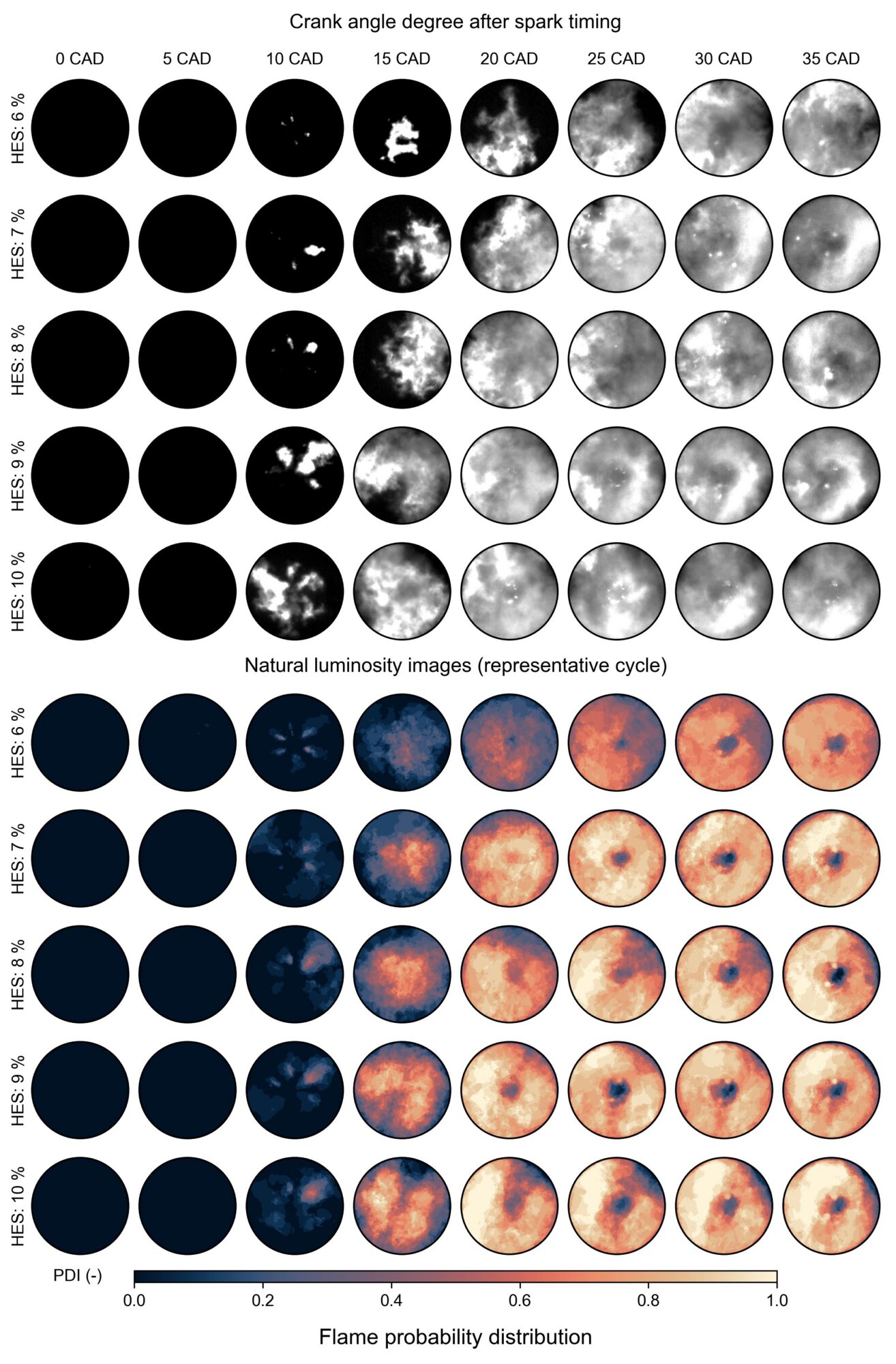
The researchers have to control a lot of variables in order to pinpoint the optimum conditions for ignition, including multiple imagery functions to capture the behaviour of the flame within the engine.
Pre-chamber flame throwers
Duc Duy Nguyen is a PhD at the Department of Marine Technology and co-authored the paper. He explains that core of the research is to get the mechanics of the fuel injection correct, while developing methods to record the process.
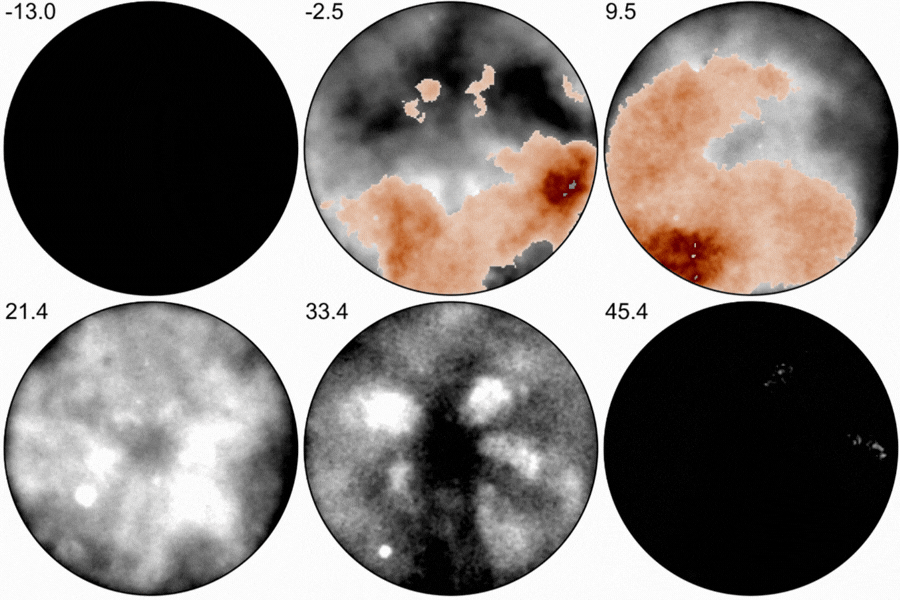
“If you have a really big bonfire and you need to light it. You need to create some small sparks, with really intense, high energy,” says Nguyen.
“It’s the same within the small space of a pre-chamber. Into here we supply hydrogen. As little of it as possible.”
Small amounts of hydrogen are injected in a small “pre-chamber” in the engine, where it is ignited by a spark plug. Flames then shoot out of this pre-chamber and ignite the ammonia in the rest of the engines, like miniature flame throwers.
The team’s work revolves around adjusting the precise alignment of the nozzle and the dimensions of the holes. They adjust the miniature flame throwers for maximum efficiency and have developed sophisticated methods to document the process.
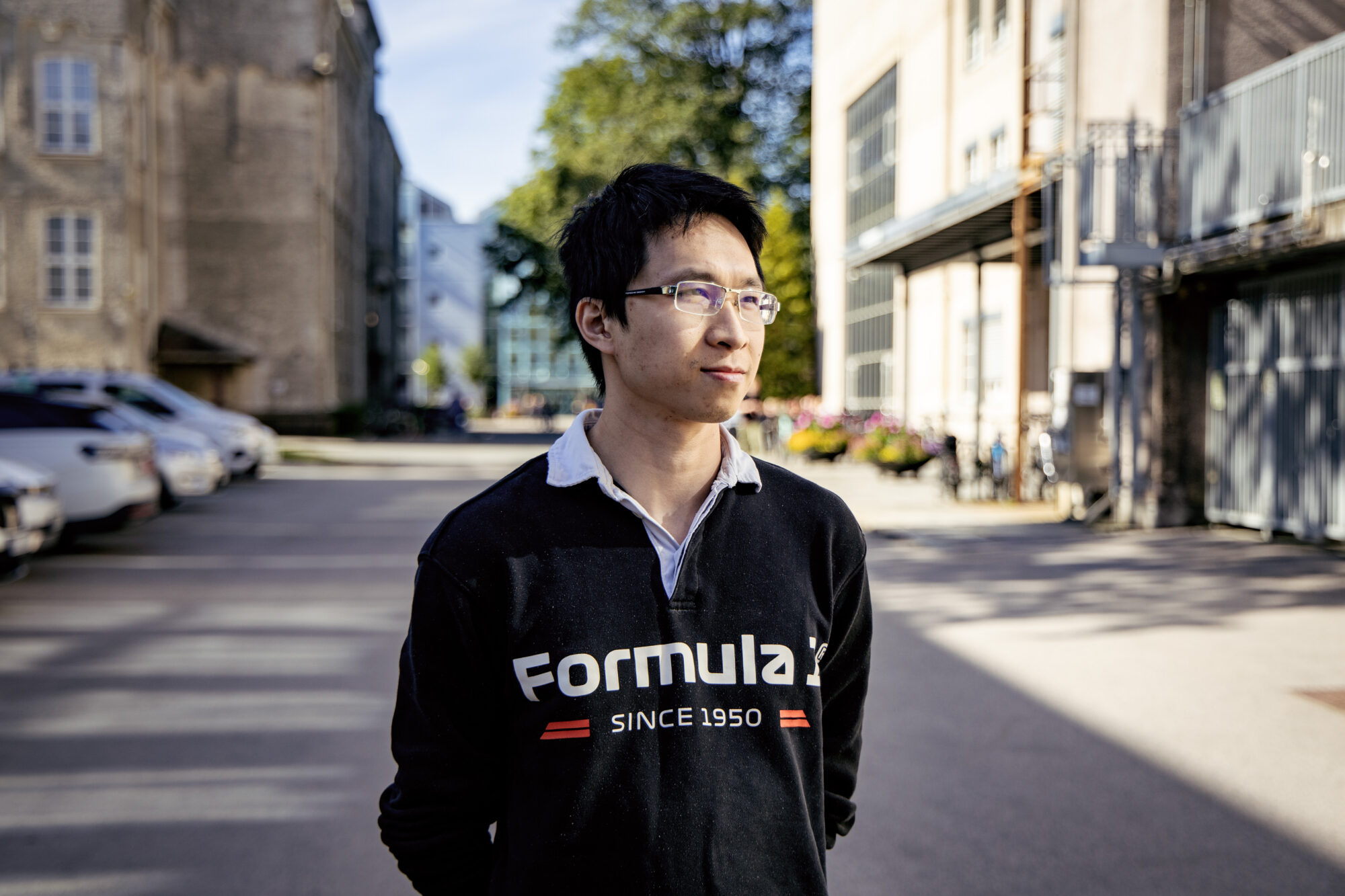
PhD candidate Duc Duy Nguyen, who has previously worked at the Clean Combustion Research Center at KAUST in Saudi Arabia. Photo: Wil Lee-Wright / NTNU
36,000 frames per second
Using advanced high-speed image capture, the researchers have refined the amount of fuel required.
“Typically, when an engine is running, we cannot see what’s happening inside the engine,” says Nguyen.
“But using the optical techniques here, we can see inside and understand the fundamentals of the ammonia combustion.”
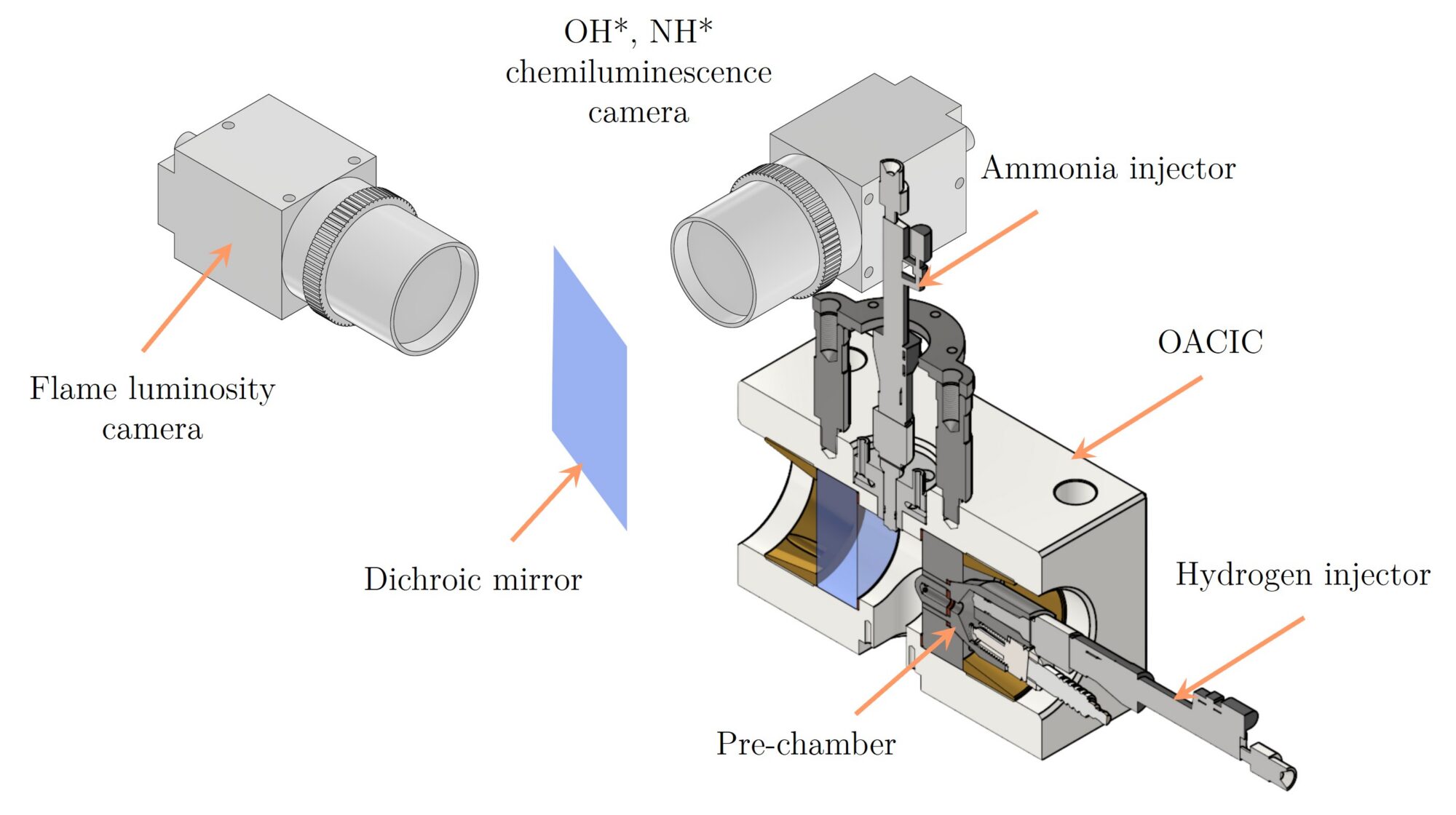
A visual representation of the camera set up, used by Emberson et al to capture the precise moment the ammonia is ignited by the hydrogen.
Nguyen uses two different cameras. The first is a high-speed luminosity camera, which is capable of capturing 36,000 frames per second. It observes the visible light from the chemical reaction and records the combustion’s behaviour in minute detail.
The second is a chemiluminescence camera, which captures behaviour invisible to the naked eye.
“There are a lot of variables to be controlled,” says Nguyen. “It is not just about how much ammonia to inject, and how much hydrogen to inject. It’s when. We change the injection timing, and also the spark timing, based on when the piston is at the top or at the bottom.”
Unchartered territory

Ander Valland, SINTEF.
Anders Valland is Research Manager at SINTEF Ocean and has been following the research.
“David Emberson and crew are working on this in our Maritime Energy Systems Laboratory, and we collaborate with him along many interesting lines,” says Valland.
“There is still quite a way to go since the results rely on inline ammonia cracking which is a technology under development, and potentially will be affected by rules and regulations for use of hydrogen as fuel.
“Those R&R’s are not yet in place,” explains Valland.
NTNU and SINTEF are both partners of HYDROGENi, a Norwegian research centre supporting the adoption of hydrogen energy sources. Ammonia engines are seen as an important enabling technology for decarbonising marine technology.
“Ammonia engines may not be the perfect solution, but we will likely see their use in certain areas,” explains Emberson. “Making the fuel, distribution of the fuel and refuelling the vessels are areas that have not been solved. On board safety and potential nitrogen emissions are also concerns. As is the impact on maintenance and engine life.”
End of the line for ammonia buses
The original Belgian buses which ran on ammonia during WWII, were decommissioned after the war’s end, when diesel prices dropped and petroleum availability rose.
“The old infrastructure won out in the end,” says Emberson. “Today’s challenge is to ensure we make alternatives which are more attractive, and which can perform as well or better.”
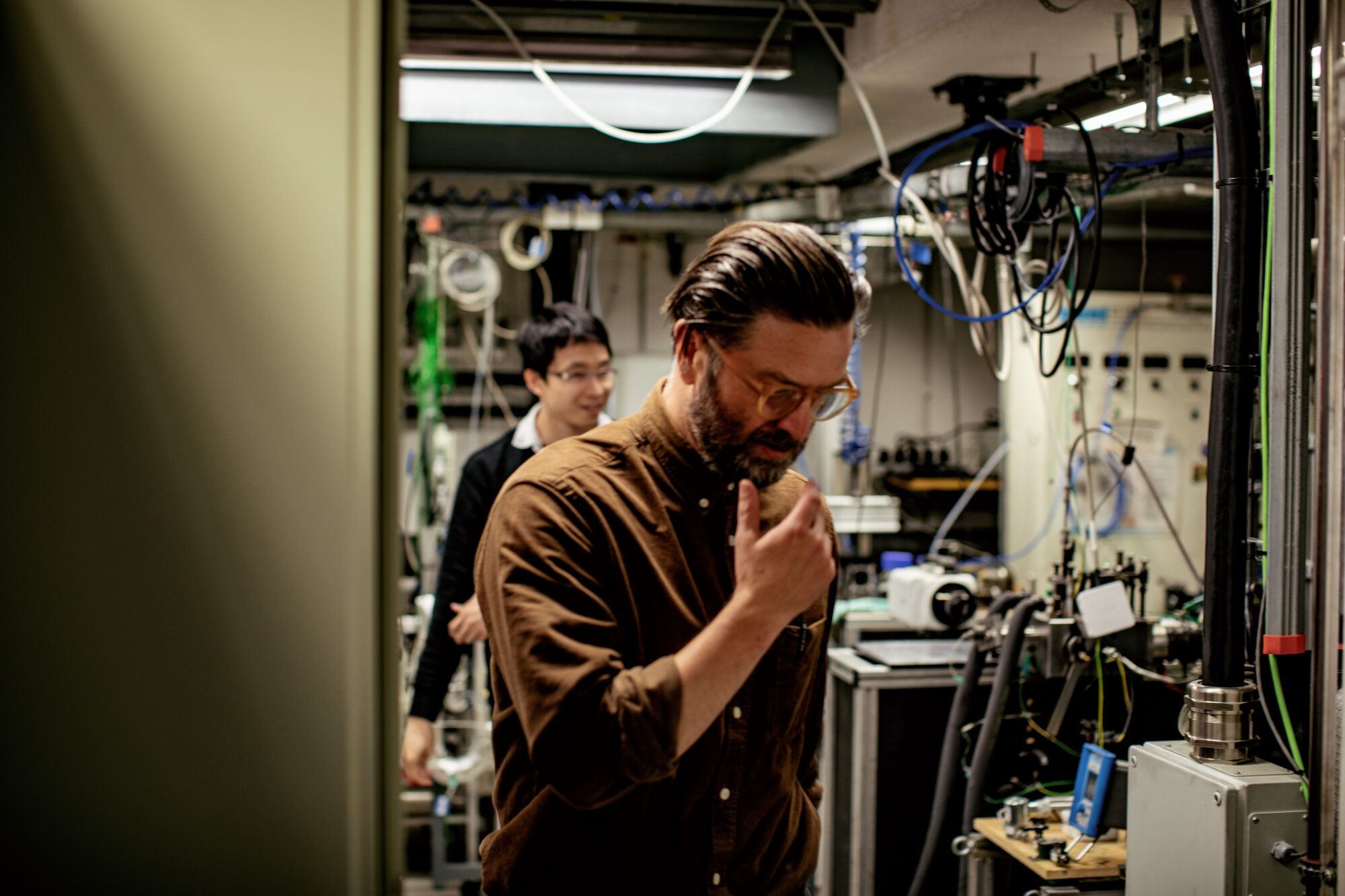
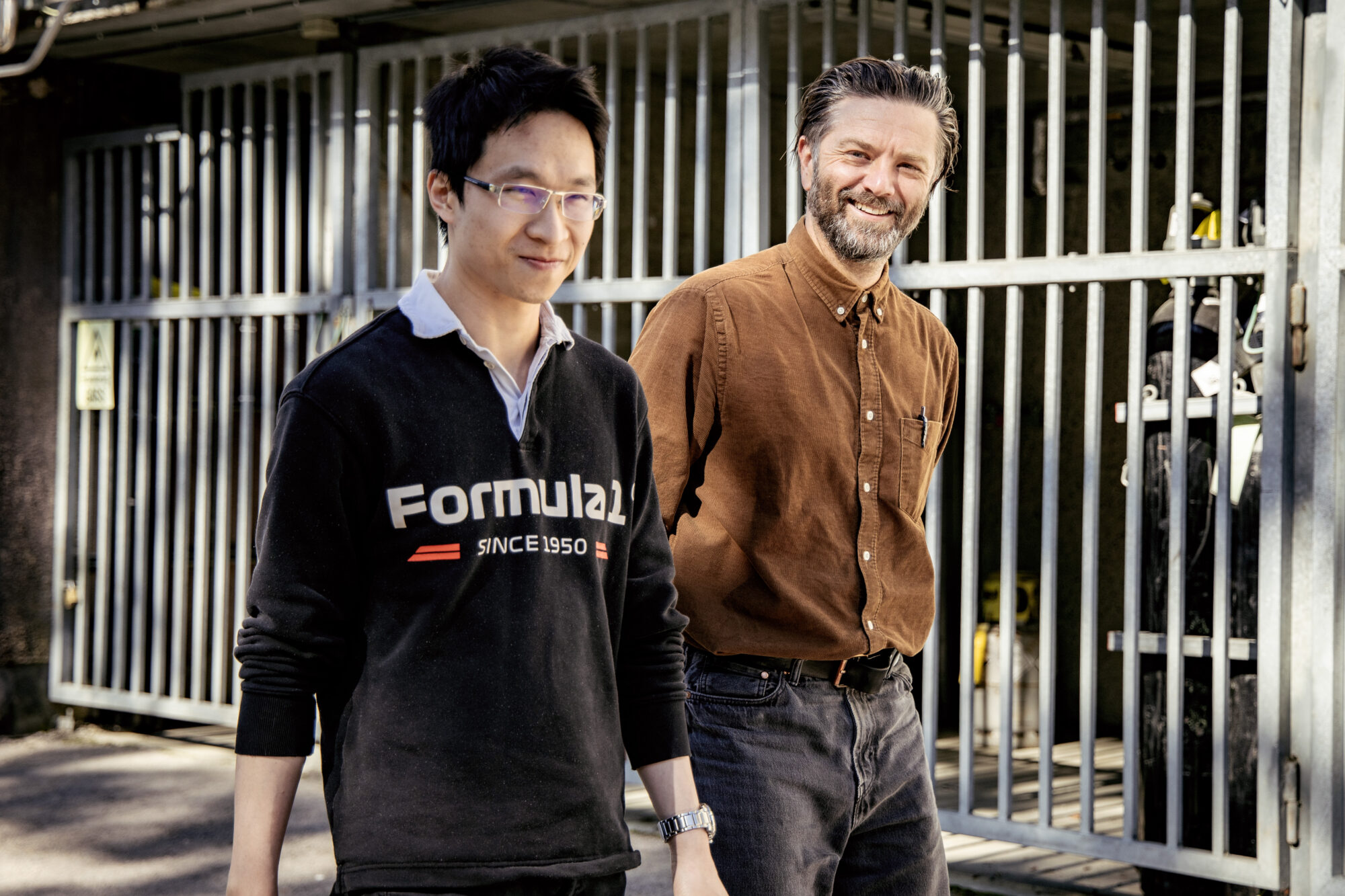
Researchers Duc Duy Nguyen and David Emberson in the lab. Photo: Wil Lee-Wright / NTNU