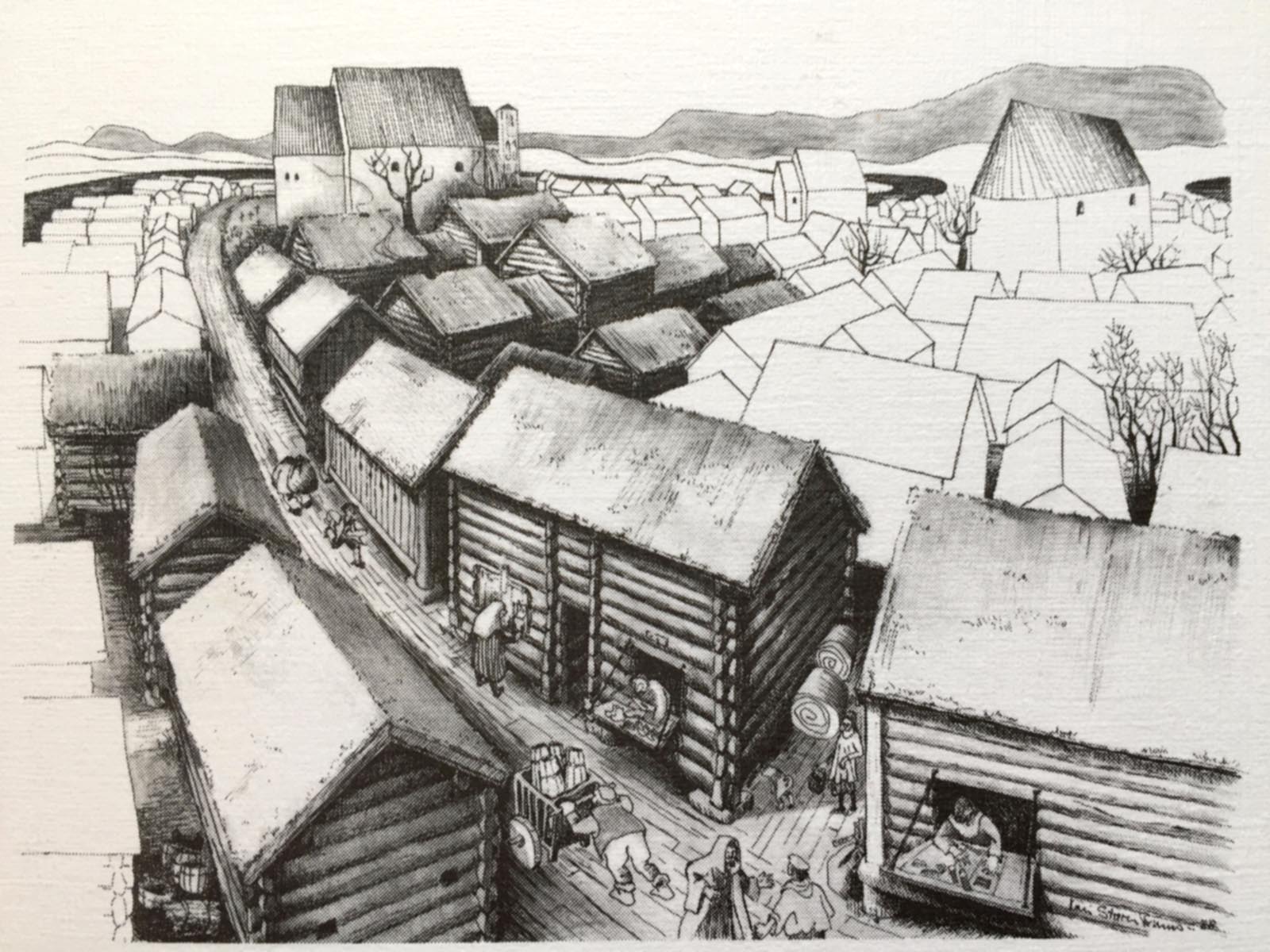
The introduction of a medieval public health system exposed the population to roundworm
Medieval health and sanitation efforts involved deliberate interventions; however, some of these measures had the opposite effect, leading to an increased spread of disease in Trondheim.
In brief
The responsibility for health, hygiene, and waste management during the Middle Ages in Norway shifted from being a private matter to increasingly becoming a public urban obligation.
Certain well-intentioned measures inadvertently created a cycle that allowed the intestinal roundworm parasite to thrive.
Other waste management initiatives proved more effective and helped reduce the incidence of infections.
Archaeological excavations and analyses of skeletal remains from two medieval cemeteries in Trondheim have provided insights into how people lived, what they ate, what diseases they suffered from, and the causes of their deaths.
Well over half of the city’s inhabitants experienced physiological stress during childhood and adolescence, a result of an insufficient or nutritionally inadequate diet.
The findings revealed significant differences between the individuals buried in the two cemeteries.
Mortality rates were much higher, and health outcomes poorer, among people who belonged to the church located in the city’s poorest district.
This short version was summarised and written by the article’s author, not by AI.
Ancient skeletons can tell us a great deal about how people lived, what they ate, what diseases they suffered from, and what caused their deaths. They also provide insight into social conditions and how society was organized.
Inside the Trondheim Public Library, you can see parts of a medieval cemetery unearthed by archaeologists. This was the burial ground for people who belonged to a stone church that once stood beneath the library building.
Another medieval cemetery lies just across the street, situated beneath the premises of the current bank building, SpareBank 1.
One cemetery was centrally located in the oldest part of the city, while the other was situated on the outskirts of the urban core. Archaeological excavations and findings at these two sites have revealed significant differences between the individuals buried there.
Differing diets
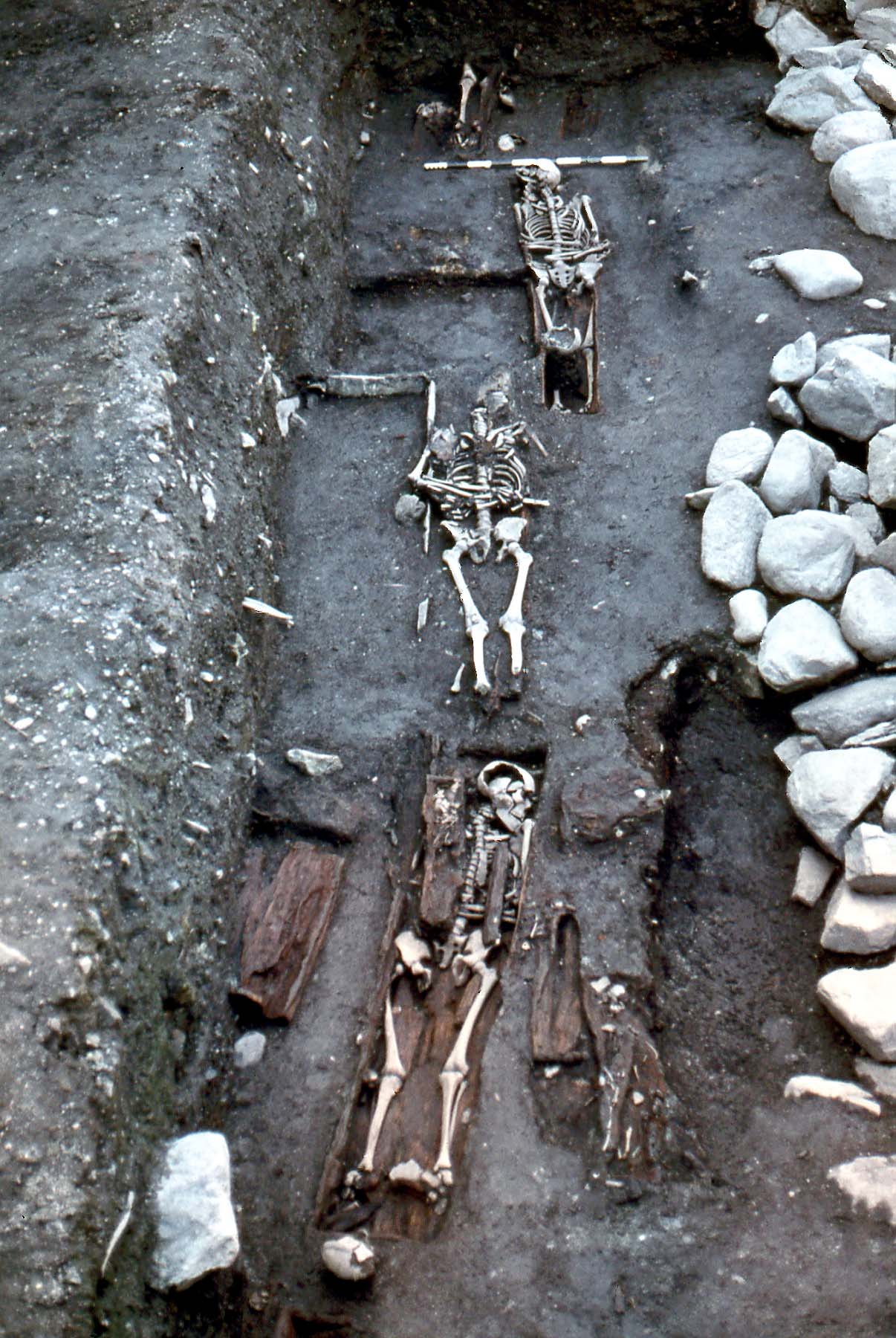
Three of the skeletons discovered by archaeologists during the excavation of part of the cemetery at Søndre gate 4 in Trondheim. Photo: The Norwegian Directorate for Cultural Heritage (Riksantikvaren), Trondheim
Bone analysis indicates that child mortality was significantly higher, and general health poorer, among those buried in the cemetery on the city’s periphery at the time – an area inhabited primarily by craft workers.
Their diet was less varied than that of Kaupmannastretet (known today as Krambugata) residents, who belonged to the church beneath the public library. The latter group represented the city’s social elite; they were engaged in trade and resided in large townhouses. Their diet was more diverse, including seafood, for example. Social inequality affected health and mortality –then and today.
MedHeal600 (Medieval Urban Health: From private to public responsibility) is a research project led by the NTNU University Museum.
The researchers have investigated public health and living conditions in Trondheim from the year 1000 to 1600, including how public authorities facilitated access to healthcare.
Medieval Urban Health
The project analyses skeletal remains from historical cemeteries using biomolecular methods and isotope analysis to map the diseases, diets, and social conditions of that era.
The interdisciplinary methodology fosters dialogue between urban archaeology and urban development, osteology and bioarchaeology, ancient DNA analysis, dendrochronology, palaeobotany, and written sources.
This combination of perspectives makes it possible to map diseases, nutritional stress, climate variations, and mobility. These trends are then linked to changes in water supply, waste management, and hygiene.
The origins of a public health system
Analyses of the skeletons reveal that well over half of the city’s inhabitants experienced physiological stress during childhood and adolescence, caused by an insufficient or overly monotonous diet. Many people also died from infectious diseases such as leprosy, typhoid fever, and tuberculosis.
“Society was familiar with these diseases, and public authorities implemented measures to limit their spread. In the Middle Ages, responsibility for health, hygiene, and waste management shifted from being a private concern to increasingly becoming a public urban responsibility,” says Axel Christophersen.
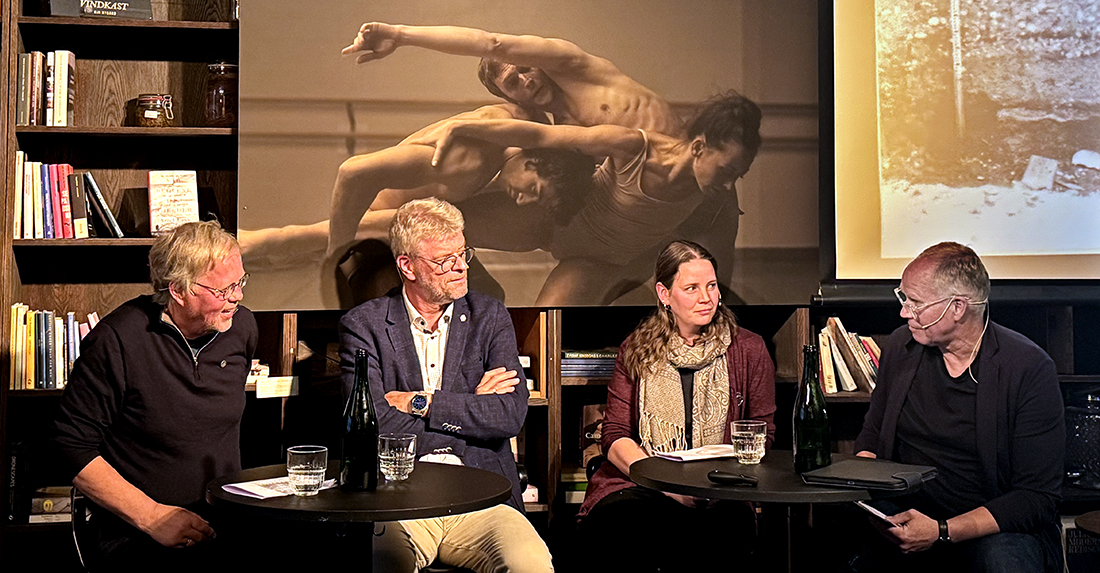
Christophersen (left) speaking at the the book launch at Trondheim’s House of Literature (Litteraturhuset). From left: Axel Christophersen, Erik Opsahl, Elisabeth Forrestad Swensen, and podcast host Ola By Rise, Director of Culture for the Municipality of Trondheim. Photo: Idun Haugan, NTNU
Christophersen is a professor emeritus of historical archaeology at the NTNU University Museum and has headed the Medieval Urban Health research project.
“The city initiated measures to improve hygiene, ensure cleaner streets, and manage waste,” says Christophersen.
Here we see the beginnings of a public health system.
Responsibility for the community and the King’s inspectors
Erik Opsahl is a professor of medieval history and head of the Centre for Medieval Studies at NTNU. He points out the importance of the fundamental principle in Magnus the Lawmender’s Landslov (Norwegian Code of the Realm) of 1274 – and the Bylov (Town Law) two years later. The local community bore, to a large extent, what we might call the operational responsibility for the common good.
In many respects, the King’s officials acted as overseers to ensure that tasks were carried out.
Erik Opsahl, Axel Christophersen, and James Barrett edited the recently published book Health in Medieval Urban Trondheim: From Individual to Communal Responsibility AD 1000–1600.
The changes in the new waste management system did not follow a linear progression from simple to advanced, or from private to public. Rather, these were dynamic processes driven by shifts in various practices.
“Moreover, the modern distinction between the private and public sphere is difficult to apply to medieval society,” says Opsahl.
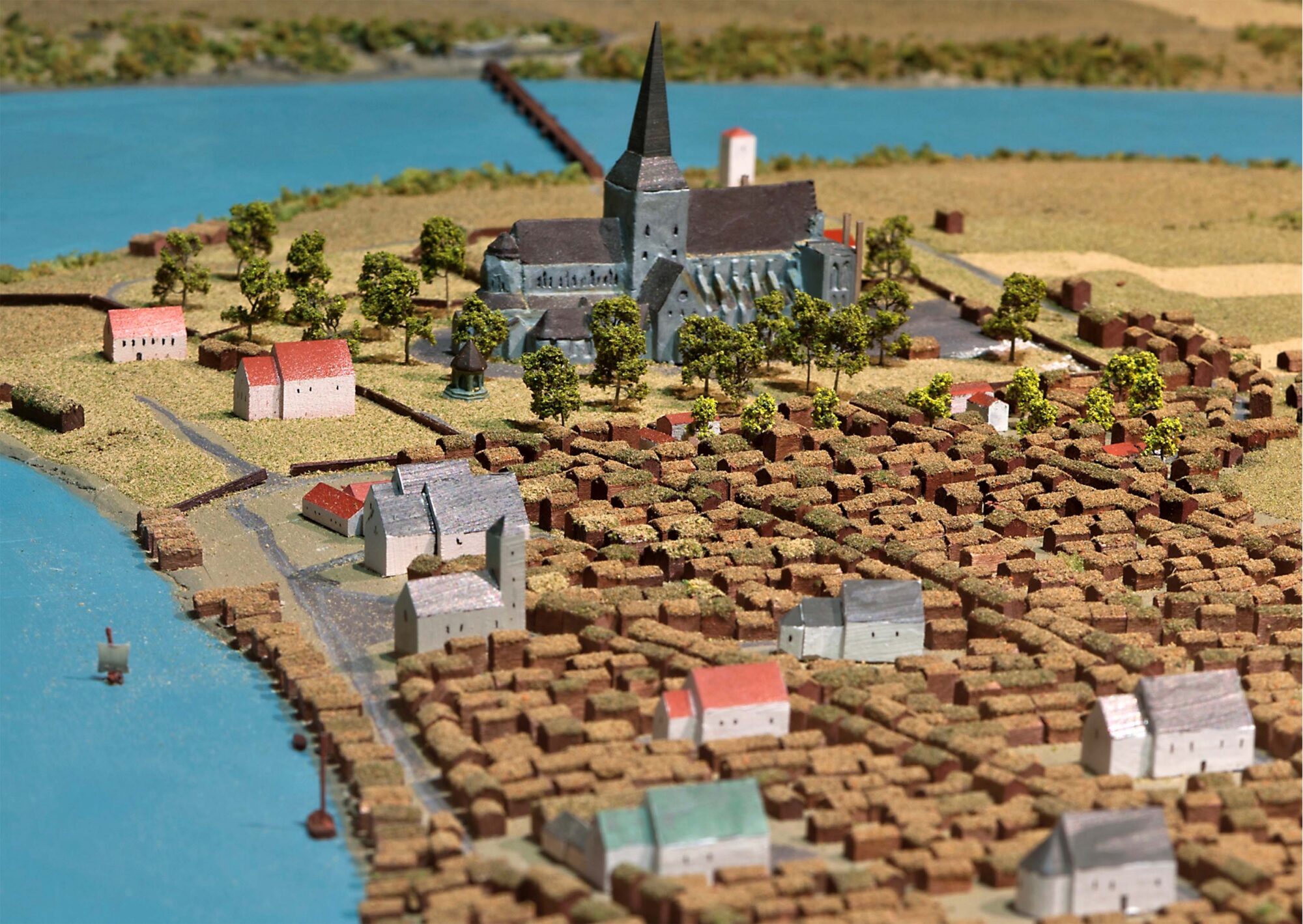
Nidaros around the year 1300. The photograph shows a model from the Medieval Museum in Trondheim. Photo: Axel Christophersen
- You might also like: A 500-year-old law laid the foundation for how Norwegians understand – and trust – the law today
Good intentions, mixed outcomes
In her PhD dissertation as part of this research project, Elisabeth Forrestad Swensen explored the development of a functional new water and waste management system during the Middle Ages and the early modern period.
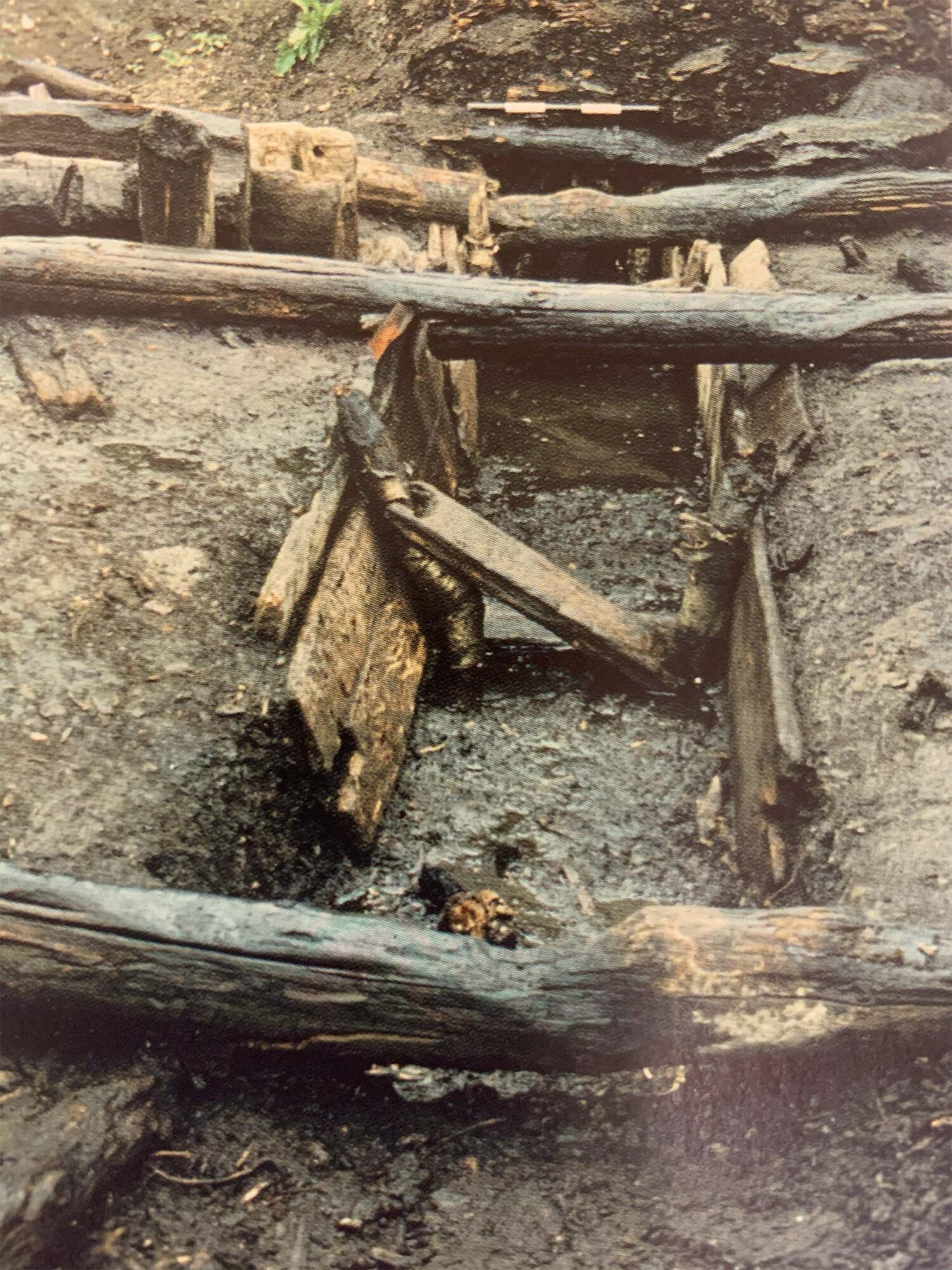
12th-century latrine that stood in a narrow space between two houses on a property. After the Black Death, people realised that waste from latrines needed to be managed more effectively. Photo: Riksantikvaren, Trondheim
Swensen examined how Trondheim managed waste, sewage, and drinking water, and how these factors influenced public health and the spread of disease. Archaeological findings indicate that the inhabitants of Nidaros (as Trondheim was then known) actively addressed the challenges related to water and waste.
“Measures were taken with clear, positive intentions; however, not all of them proved equally effective in practice. Although waste was often handled with care, certain changes may nonetheless have led to an increase in infectious diseases and parasites,” Swensen says.
Latrine waste was not mixed with other types of waste. The two waste types were disposed of in separate locations. The distinction between general waste pits and latrine pits indicates that human waste was managed according to its own specific protocols.
A vicious cycle of roundworms
During the High Middle Ages (1130–1350), Europe – including Norway – experienced significant population growth.
Everything increased: more people, more houses, more waste… and more foul odours. During this period, the theory of miasmas gained traction. This concept was linked to unpleasant smells, which were believed to be the actual cause of disease.
This belief is likely why the authorities in Trondheim decreed that fetid latrine waste should be transported to pits outside the city centre – a measure that sounds both sensible and smart.
However, “an analysis of the contents of these latrines reveals that nearly the entire population was infected with roundworms. This occurred because the latrine waste was incorporated into manure once it began being transported out of the city centre. Roundworms thrive especially well in manure,” says Swensen.
“This manure was spread across the city’s agricultural land where food was grown. allowing the roundworm parasite to enter the food supply, and consequently, the people living in the city,” she explains.
The result was a kind of perpetual cycle between humans and roundworms.
Wood chips dampened unpleasant odours
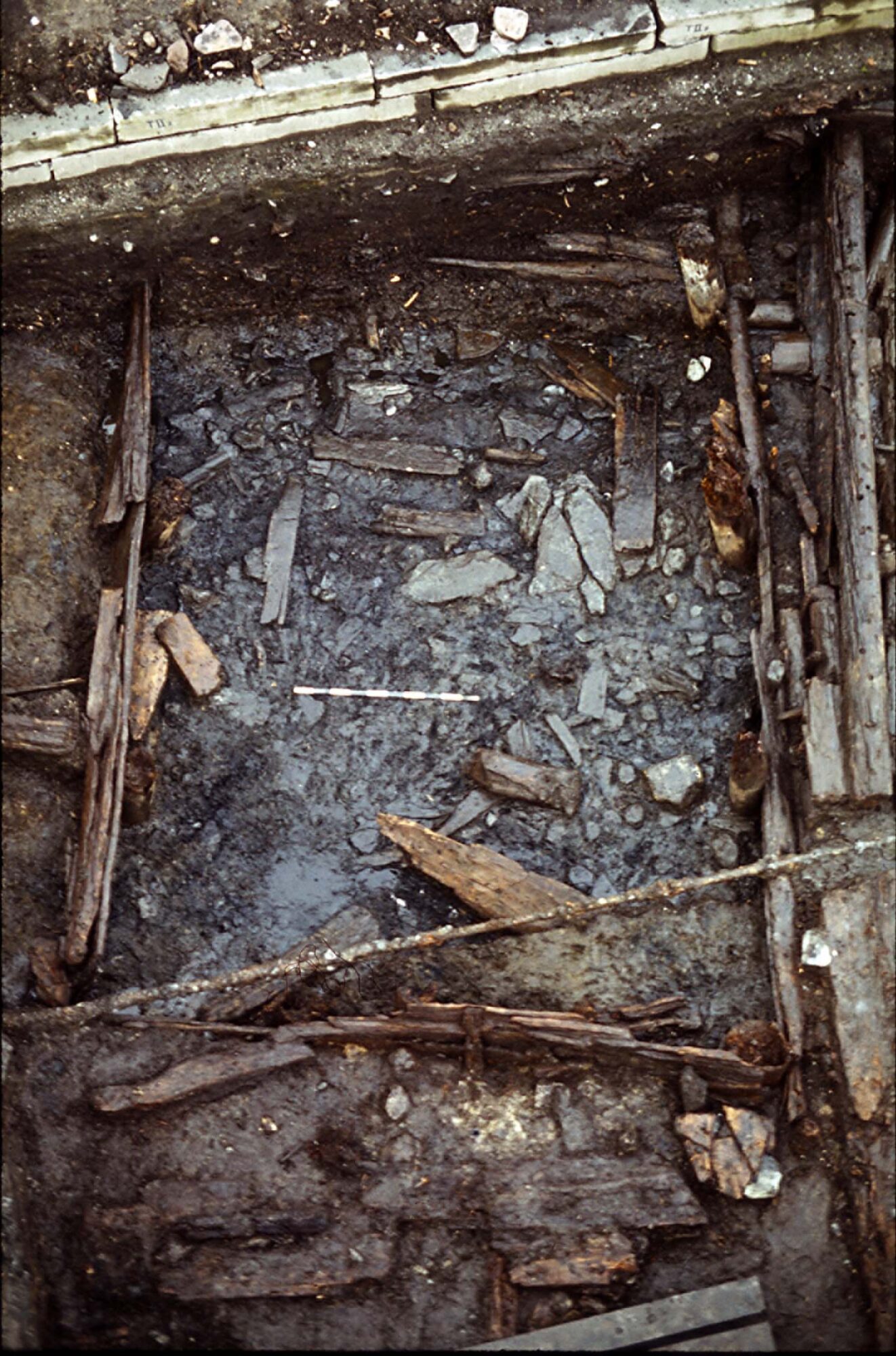
This is a large wooden waste container located by one of the narrow lanes (veiter) in the medieval city of Nidaros. Many craftspeople and their families lived here. Photo: Norwegian Directorate for Cultural Heritage (Riksantikvaren), Trondheim.
Latrine waste was transported out of the city, whereas most other waste pits remained within the city limits. However, these were situated on separate plots of land, suggesting that the inhabitants understood the health benefits of keeping organic waste at a distance.
Sawdust or wood chips were mixed in and made up a significant portion of this waste, which helped to dampen the smell of decaying refuse.
The volume of wood chips – a byproduct of house construction – dropped significantly toward the end of the 13th century. This could be linked to a massive volcanic eruption in Indonesia in 1257, which sent ash clouds across vast distances. Traces of this ash can still be found in the northern and southern polar regions.
Temperatures fell sharply for several years, tree growth slowed, and these climatic changes dampened societal activity.
Wood chip shortage led to new waste-disposal practices
“Migration into Trondheim appears to have stagnated during the second half of the 13th century as well. Archaeological investigations have shown that house construction all but ceased from around 1300. This could be related in part to a stagnation in population growth. Construction over the course of several centuries had also exhausted the timber supply surrounding Trondheim. This led to a reduction in construction waste – notably wood shavings and wood chips,” says Axel Christophersen.
The shortage of wood chips contributed to a significant worsening of the stench emanating from the waste pits within the city.
Reduced risk of disease
Excavations reveal that the practice of discarding organic waste into the pits along city streets where people lived came to an end during this period. Organic waste was now transported out of the city instead. The loss of wood chips and the intensified stench from the waste pits are likely reasons for the shift in managing waste.
This change in waste management helped lower the risk of infectious diseases.
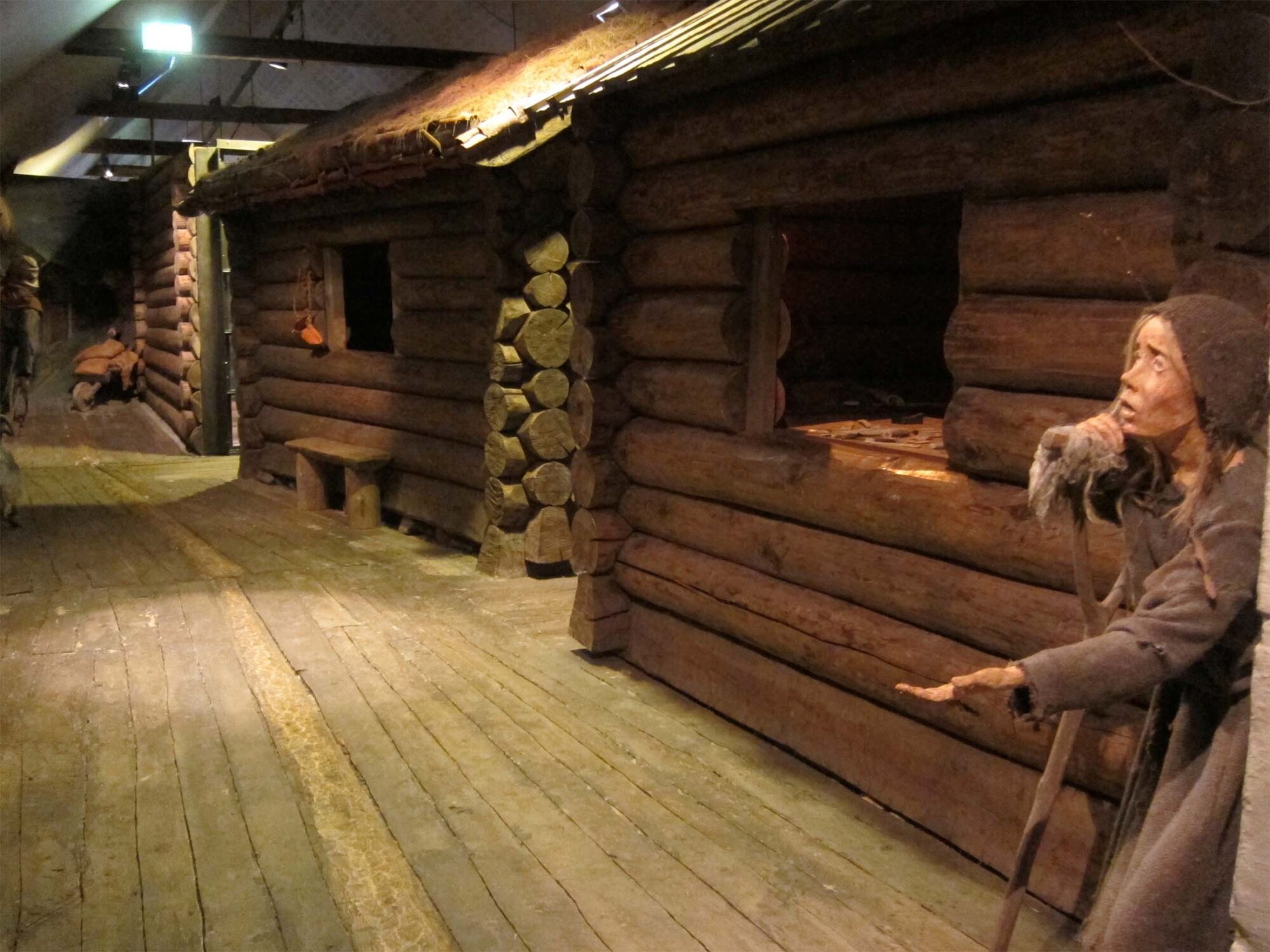
A reconstruction of Kaupmannastretet in the medieval exhibition at the NTNU University Museum in Trondheim. The people who lived here had enough food to eat. However, 60–70 per cent of the city’s population had such poor diets that their immune systems were weakened. Photo: NTNU University Museum
Then the Black Death swept in
The Black Death reached Europe from Asia via the Silk Road and wreaked havoc starting in the mid-14th century. The deadly plague arrived in Norway in 1349, claiming the lives of an estimated one-third of the population, though the exact death toll remains unknown.
“The late Middle Ages has a particularly poor reputation, and the Black Death has been blamed for a long period of decline in Norway. This ultimately led to Norway becoming politically subordinate to Denmark in 1537 – an event often referred to as Norway’s ‘loss of independence,’” says Opsahl.
“However, a single plague epidemic cannot account for such a sharp population decline, which persisted for several centuries. This decline was the result of repeated outbreaks of the plague. Around 1340, Norway’s population was approximately 500,000; by the early 16th century, the country had only about 200,000 inhabitants,” Opsahl says.
Population Trends
We cannot know exactly how the population evolved between these two points in time. Was the decline a steady, continuous drop in population? Or did it follow a pattern of recovery and growth following one plague outbreak, only to be reduced again by the next?
“The latter scenario is the most probable, given the broader European trend, says Opsahl. “It also aligns with evidence that we observed in construction activity. So, it’s quite possible that the population of Trondheim experienced periods of relative growth.”
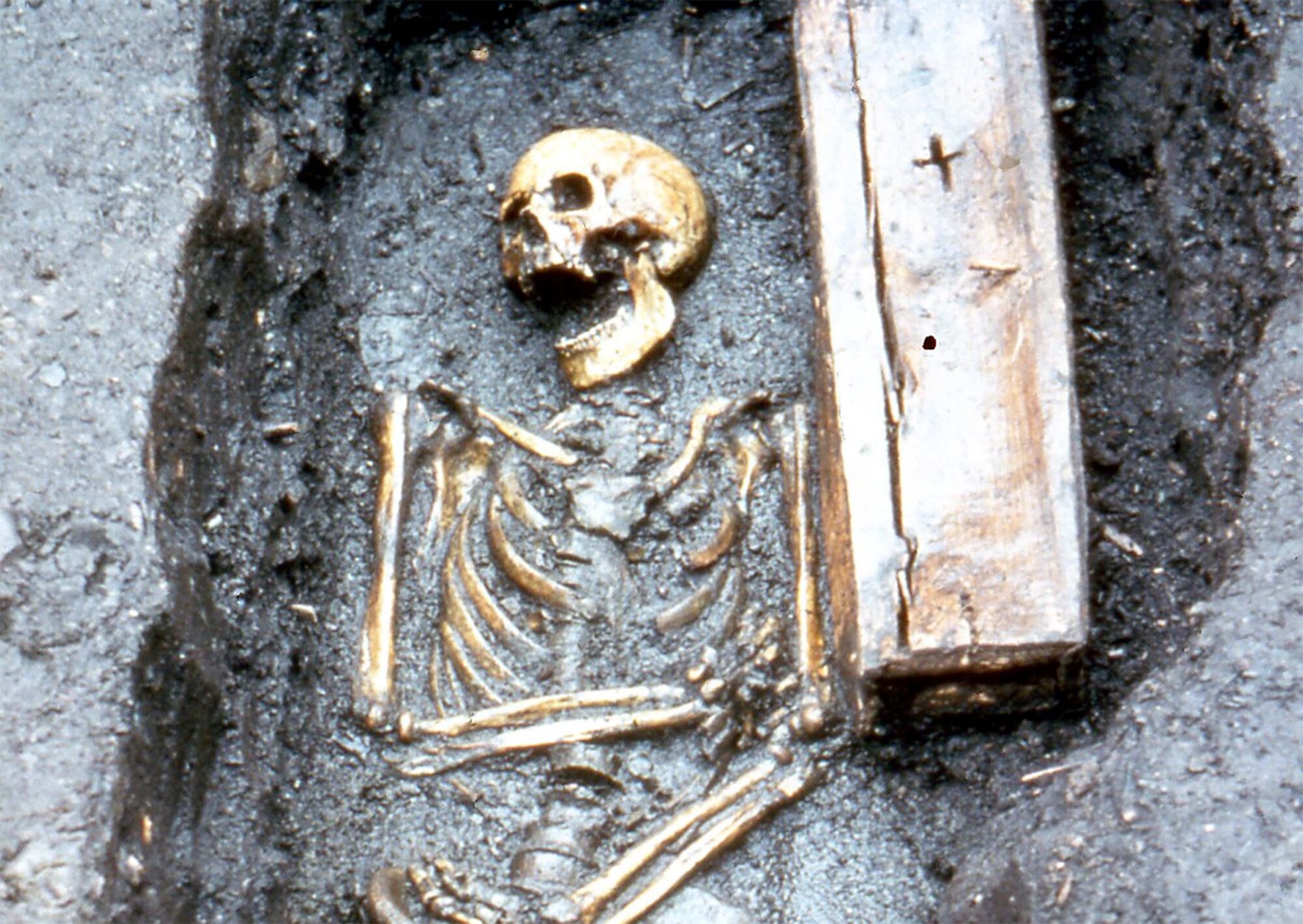
New technology allows researchers to analyse skeletons and discover what people ate and which diseases they suffered from in the 12th century. Photo: Riksantikvaren, Trondheim
The book Health in Medieval Urban Trondheim: From Individual to Communal Responsibility AD 1000–1600, Scandinavian University Press / Det Kongelige Norske Videnskabers Selskabs Skrifter (Royal Norwegian Society of Sciences and Letters’ Publications), published 16 August 2026.
Elisabeth Forrestad Swensen, Chapter 6: “Water and Waste in Medieval Urban Trondheim: How Mind and Matter Affected Health.”
You can learn more about the research project in this podcast: Ny funn om livet i middelalderen (link in Norwegian).
Access the complete podcast series “Trondheim i middelalderen” (link in Norwegian), featuring Professor Erik Opsahl and Director of Culture Ola By Rise.
Contact Axel Christophersen
Contact Erik Opsahl