Eyewitness: Bjørn helped dump ammo into Lake Mjøsa
Bjørn Karlstad was a young man when he went out with his grandfather to dump old WWII ammunition into Lake Mjøsa.
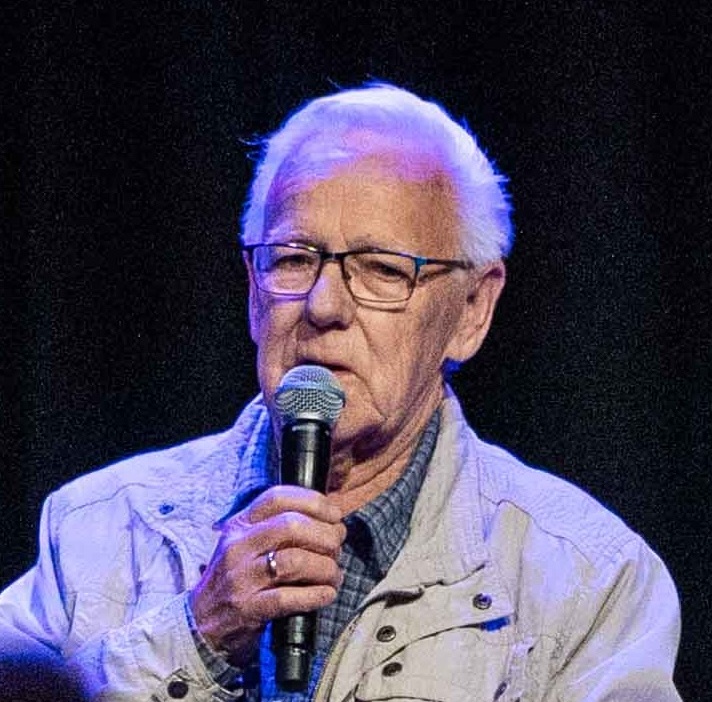
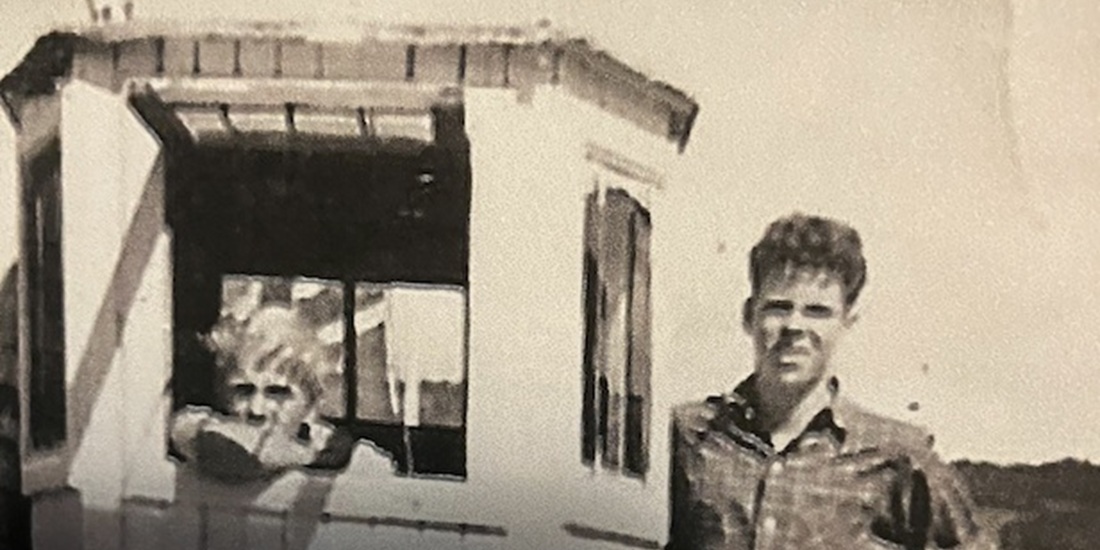
Bjørn Karlstad was in the engine room on “Kvik” in the 1950s, when his grandfather’s boat was used to dump grenades in Lake Mjøsa. Photo: NTNU
“We were told by the explosives inspector to crank the motor up to full speed when the last barrel hit the water. But full speed on the ‘Kvik’ was nine knots, so we would not have gotten that far if there had been an explosion,” said Bjørn Karlstad.
The 82-year-old had a job on board the ‘Kvik’ in the summer of 1958. The boat was owned by his father and grandfather. Raufoss Ammunisjonfabrikker had hired them to dump German WWII ammunition in Lake Mjøsa. Trucks came to Panengen pier in Totenvika, and employees from the factory offloaded TNT, rifle ammunition and grenades that were as long as a metre onto the boat, Karlstad said.
On board the ‘Kvik’, a five-metre-long wooden chute had been made smeared with soap. The chute extended from deck and into the water. Karlstad and his fellow workers loaded the grenades into the chute into by one. Some ammunition was also thrown overboard while the boat was moving.
“This happened once when the explosives inspector was not on board, while I was on board,” Karlstad recalls.
- You might also like: Huge quantities of German WWII ammunition on the bottom of Norwegian lakes
Barrels with unknown contents
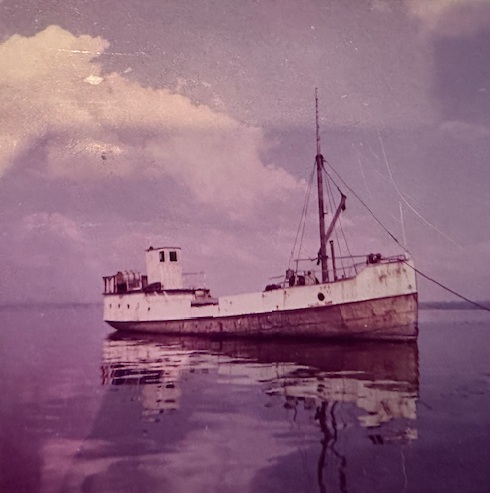
The “Kvik” had a five-metre-long custom-made wooden chute that had been smeared with soap. It ran from the deck into the water and was used to slide grenades one by one into Lake Mjøsa. Photo: Private
Karlstad didn’t know what was in the barrels that he saw dumped, but he has thought a lot about what might have been in them since they were told leave the area at full speed after the last barrel hit the water.
Karlstad’s task was to look after the engine and manoeuver according to orders from his grandfather. The explosives inspector reacted to his young age, but Bjørn Karlstad’s grandfather said that if his grandson did not help, there would be no trip out on Mjøsa.
“That was the end of the matter,” says Karlstad.
Wish it was different
Today, he often thinks about what he was involved in, and what the dumping may have done to the environment and drinking water.
“I can’t change the story. But I wish we thought a little more about the consequences than what was done back then,” Karlstad said.