From Arctic Readiness to Mideast Crisis: NATO on the edge
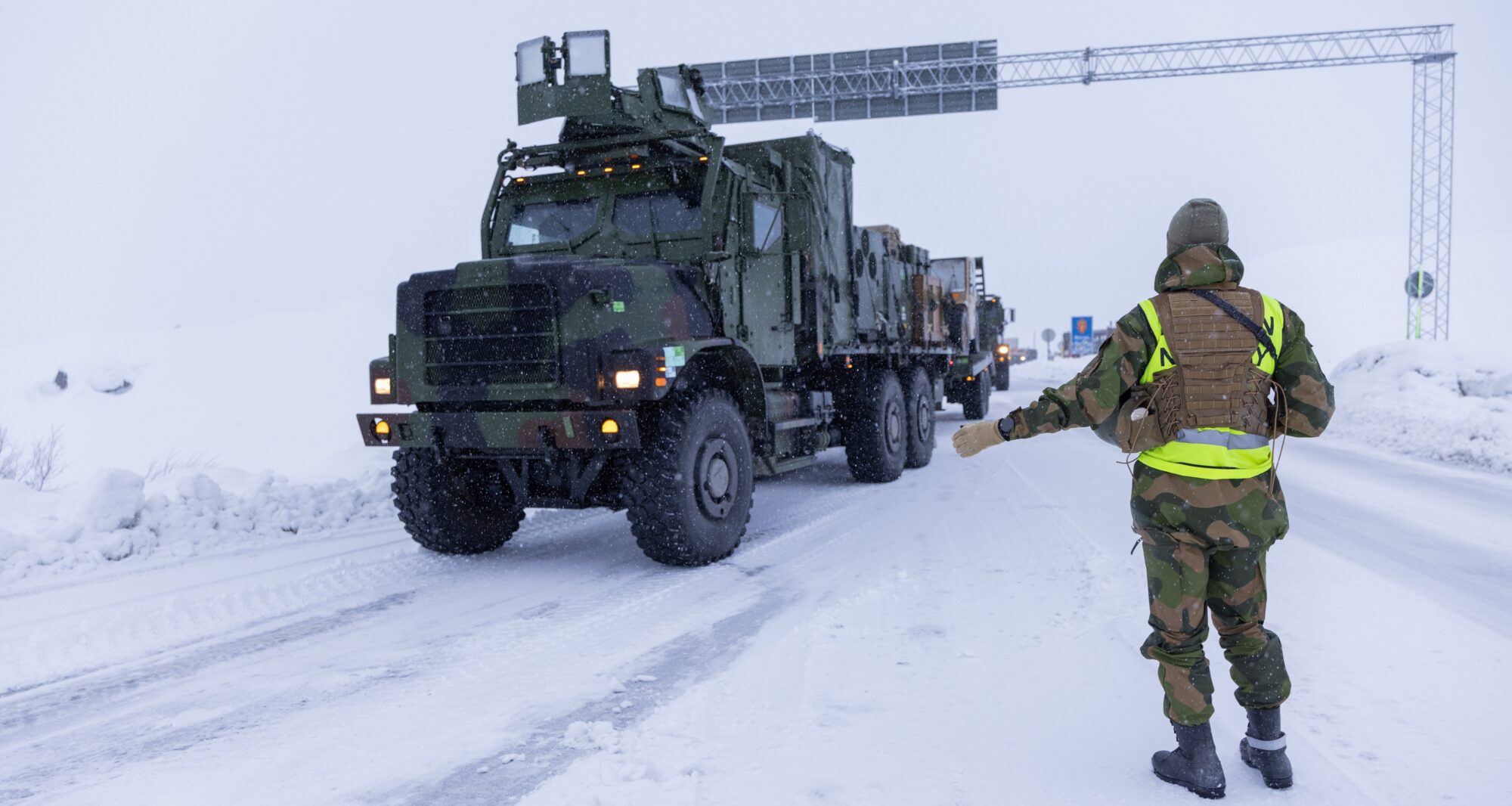
Roughly 25000 soldiers from 14 nations are gathering in northern Norway this month for a biannual NATO joint training exercise called Cold Response. But the changing US attitude towards NATO under the Trump administration raises questions about its future, one researcher says.
Well before the start-up of NATO’s signature arctic exercise, Cold Response, organizers learned that the United States would pull its F-35 fighter jets to support what has now blossomed into a war with Iran.
The US is still sending nearly 4000 troops to train, but whether that is simply inertia or a true commitment remains unclear, says Jennifer Bailey, a professor at NTNU’s Department of Sociology and Political Science.

Jennifer Bailey, a professor at NTNU’s Department of Sociology and Political Science. Photo: NTNU
If Trump takes a narrow “America first” position where does that leave Europe?
“The US under Trump has signalled that it doesn’t view NATO as anything particularly important in itself – that is, as an alliance of democratic states pursing a common good. Instead, Trump has taken an instrumental view of the alliance, suggesting that while the US paying for European defence it gets little in return,” she said.
Without the F-35 fighter jets, the exercise will continue as planned with the remaining forces, according to an interview with Lieutenant Colonel Espen Solemdal in Fremover, a Narvik-based newspaper. Nevertheless, the US withdrawal has consequences for the exercise, in that it will make for less realistic training for air defence, he said.
Neverthless, the exercise illustrates the dilemma that European countries continue to grapple with when it come to NATO, Bailey said.
“It does raise questions about what role NATO plays in the world now. If Trump takes a narrow ‘America first’ position where does that leave Europe? Trump does not seem to recognize the contributions of its European allies or Europe as integral to the US defence perimeter,” she said.
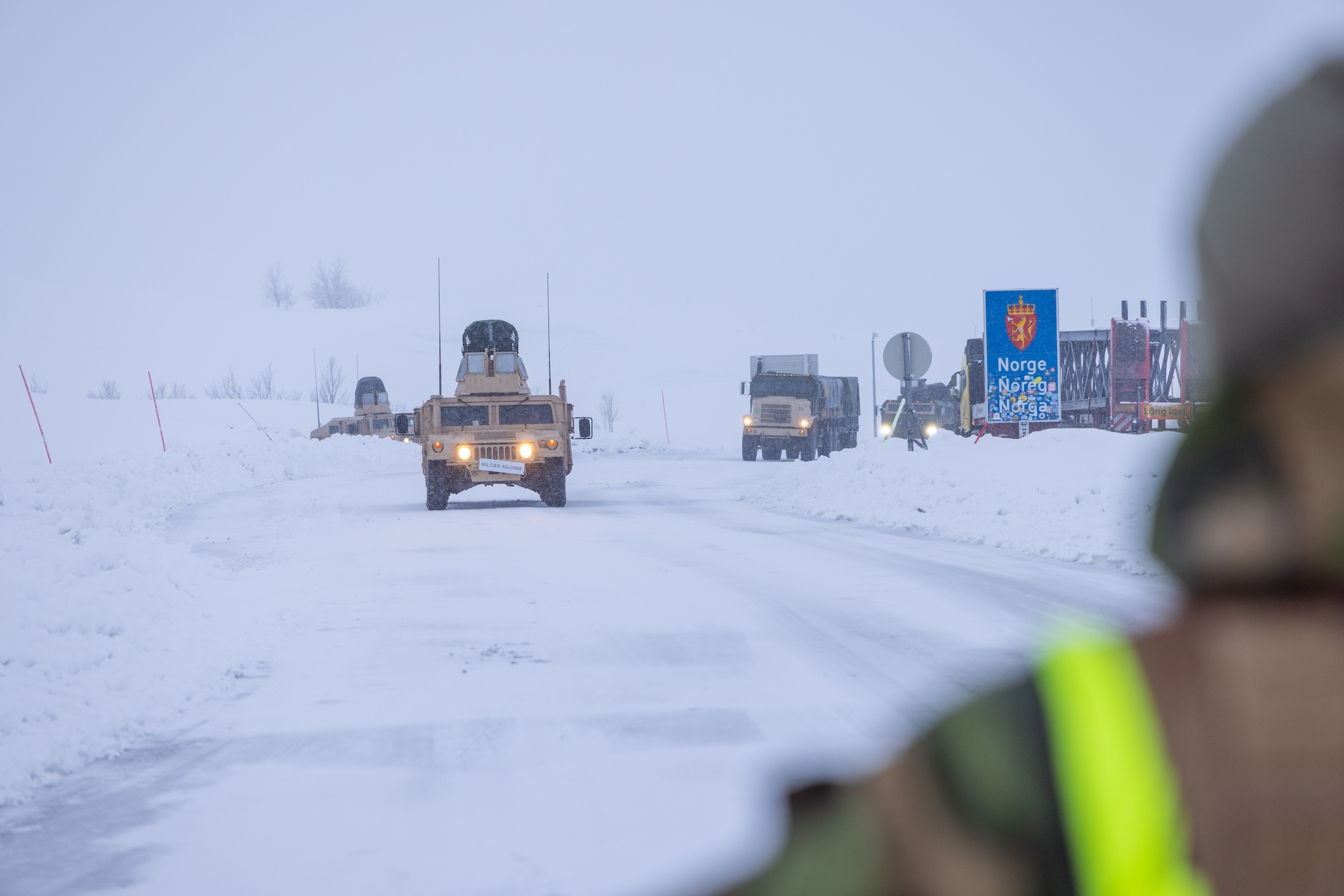
The first vehicle from the United States Marine Corps on its way across the border to Sweden and onward to Finland via Bjørnfjell border station. The Cold Response land exercises are being held in northern Norway and Finland. Photo: Tore Ellingsen / Norwegian Armed Forces
- You might also like: Are European NATO states freeloading?
Changed attitude toward Russia
One of the big question marks with respect to the Trump administration and the Arctic is America’s changed attitude towards Russia.
“Russia is clearly a competitor but no longer evil fiend.In addition, the Trump administration’s new National Security Strategy presents a ‘sphere of influence’ view of the world, where the US will/should have dominion over the western hemisphere, but Russia might well have its own sphere of influence elsewhere – such as in Eastern Europe,” she said.
We are ‘the eyes and ears of NATO’ in the north. We work together with the U.S. on this. It matters for US homeland security.
This is somewhat unsettling for Europeans, she said, because Europeans now see Russia as “posing a clear and present danger to Europe as a whole.”
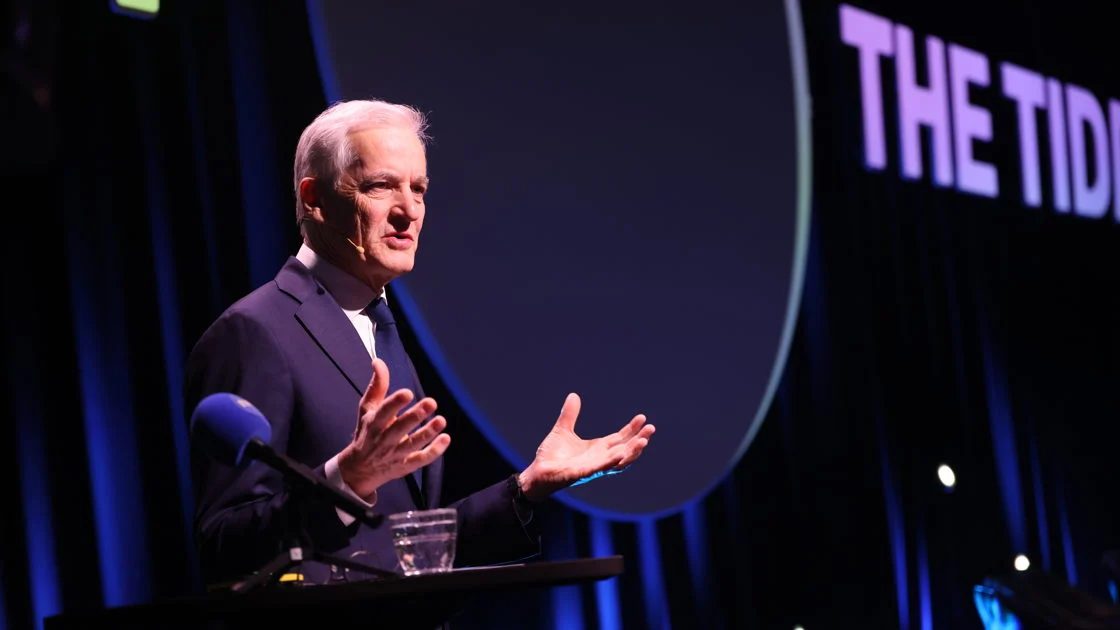
Prime Minister Jonas Gahr Støre in Tromsø. Credit: Martin Lerberg Fossum / Office of the Prime Minister
Norwegian Prime Minister Jonas Gahr Støre has tried to reinforce the importance of Norway and NATO to the security of the United States in direct talks with Trump and in international forums.
At the Arctic Frontiers conference in Tromsø in February, Støre described a meeting with Trump in April last year.
“I said that; ‘Mr. President, 100 kilometres from my border is the world’s largest nuclear arsenal, the submarines – the strategic capacity of Russia. And it is not directed against me, but probably against you’. We are ‘the eyes and ears of NATO’ in the north. We work together with the U.S. on this. It matters for US homeland security,” Støre told the gathering.
Bailey isn’t certain that reality will affect Trump’s attitudes, however.
“Russia has become just another country that the US can deal with, while European allies are seen as weak free-riders who fail to see that the greatest threat to them lies in their own inability to protect their own civilization,” she said. “Trump’s view of security seems to be very simplistic: establish direct control of strategic areas and resources in the Western Hemisphere, including the Arctic.”
- You might also like: Currying favour with the USA won’t work, Europe has to go it alone
Greenland won’t go away
As a consequence, while the US is now fully focused on the Middle East, Bailey believes Trump will be unlikely to abandon his desire for Greenland.
“I think the idea that the US should have Greenland is very central to Trump’s thinking and that this idea has not gone away. Whether the Trump administration is truly ready to sacrifice NATO to this is not clear,” she said.
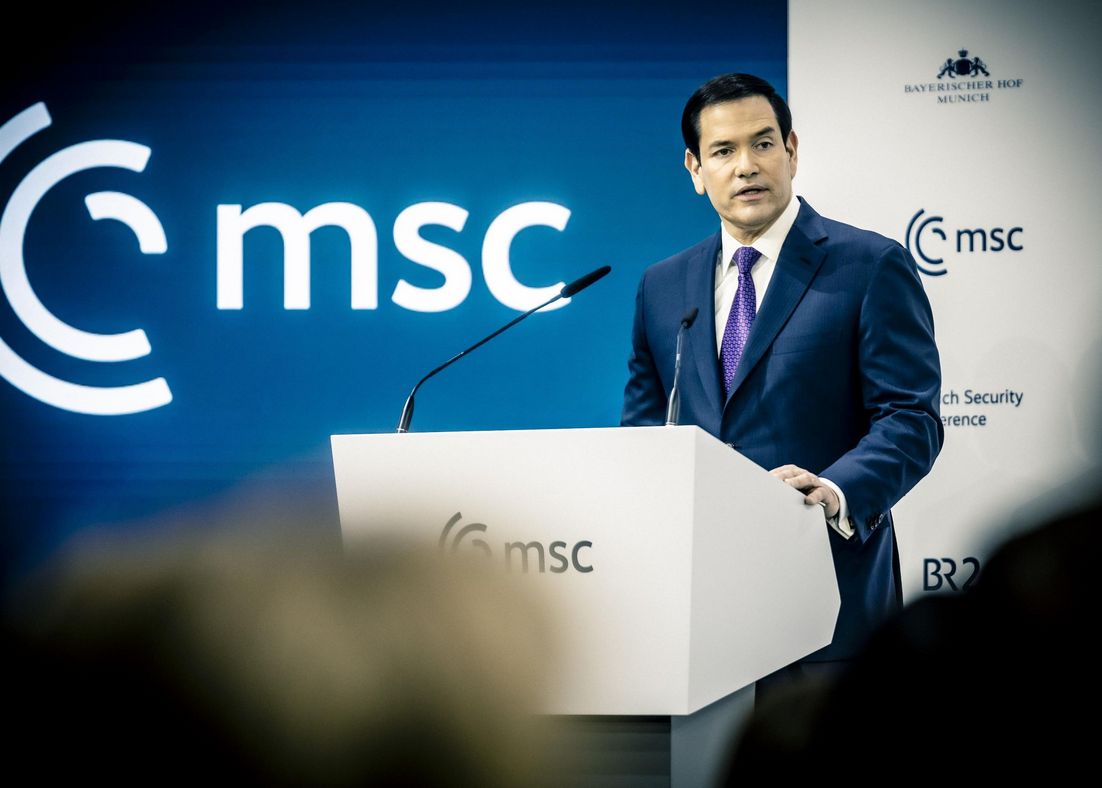
Marco Rubio, US Secretary of State, Acting National Security Advisor, the White House, at the 62nd Munich Security Conference in February. “Our destiny is and will always be intertwined with yours because we know that the fate of Europe will never be irrelevant to our own national security,” he said at the conference. Photo: MSC/Kuhlmann
The Iran war could underscore the importance for the US of having European allies, she said.
“European bases were no doubt important for staging the attacks on Iran, and some European powers have bases in the Middle East and elsewhere.Trump would probably like to continue having access to those bases,” she said.
Although many have pointed out that the US already has a long-standing agreement with Denmark that allows it to increase its military presence on Greenland, Trump himself has repeatedly said that he feels the US must own the island.
“The need for direct control over Greenland suggests a belief that the US can only really count on itself. It has a definite ideational side,” she said.
Could NATO countries get dragged into the Iran war?
On March 4, NATO defences shot down a ballistic missile launched from Iran and headed toward Turkish airspace. The Iranian government denies that the missile was aimed at Turkey. At the same time. Turkey has said it will not allow its airspace to be used for attacks on Iran.
The nasty truth here is that the European members of NATO spent almost 80 years relying on the US, so they can’t simply stop doing that now.
But the reality is that “the US has dragged the Europeans into a situation in which they don’t want to be involved, even though many will welcome the end of the repressive Iranian regime,” Bailey said.
It doesn’t help that Trump didn’t inform or consult NATO allies before launching missiles into Iran, she said.
“You shouldn’t really treat your allies that way,” she said.
So can NATO nations refuse to help if the US asks?
“Technically, yes,” Bailey says. “The US has not called for application of NATO’s Article 5 by which NATO allies are pledged to help each other in the event of an attack.”
However, as recently reported in The New York Times, NATO allies in France, the UK, Italy and Germany are all “walking a tightrope” as they try to avoid being dragged into the war.
“In practice, however, the new attitude in Washington means that a refusal of a clear request for help would be risky. Europe is highly dependent on the US for its defence and European militaries are deeply integrated with the US military – as the Cold Response exercise clearly demonstrates,” she said.
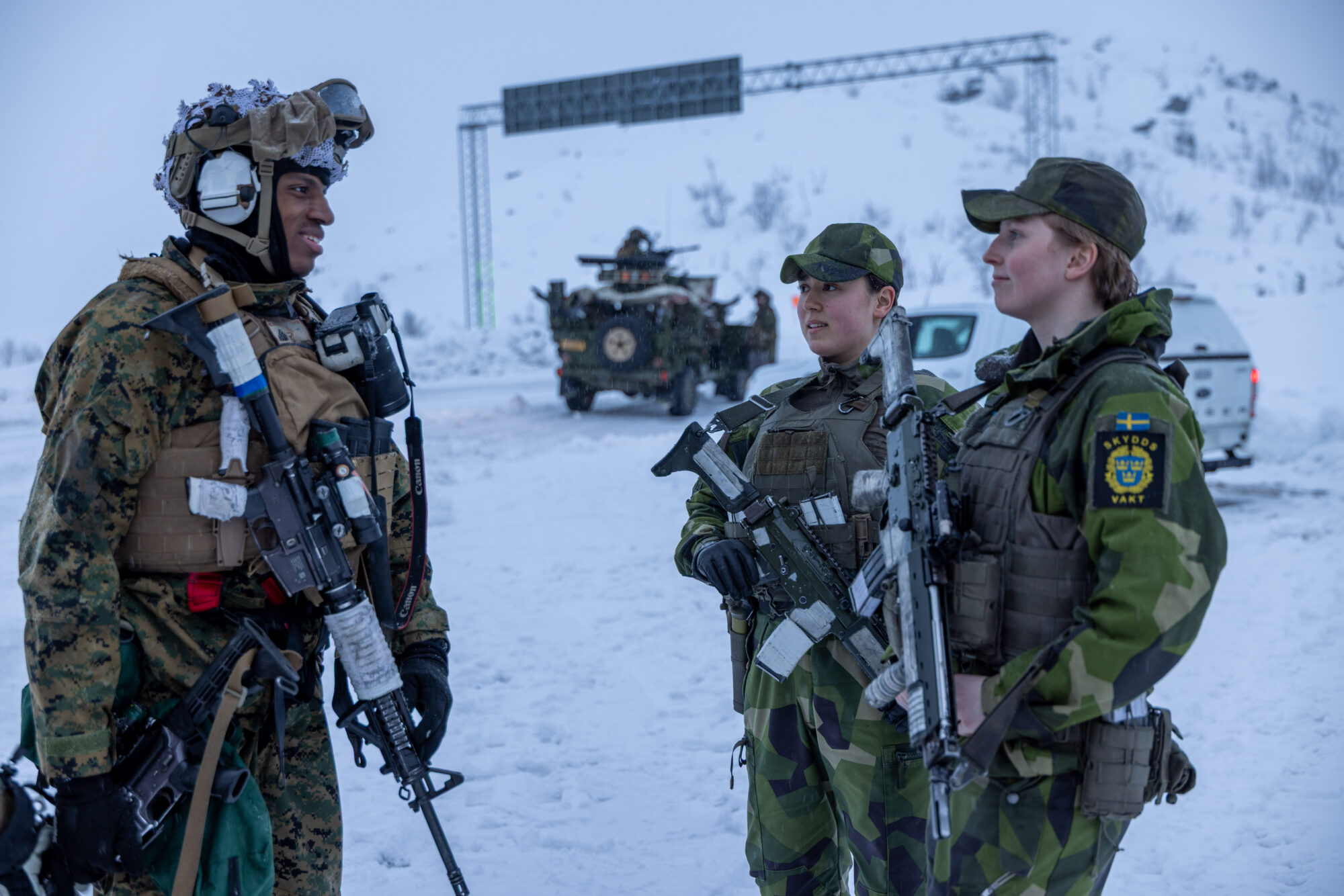
A soldier from the United States Marine Corps talks to soldiers from the Swedish Security Guard during the 2026 Cold Response exercise. Photo: Tore Ellingsen / Norwegian Armed Forces
“The nasty truth here is that the European members of NATO spent almost 80 years relying on the US, so they can’t simply stop doing that now,” she said.
The other problem of course, is that the US is a major arms supplier to Europe.
“The Europeans might not like the Trump administration, but they are in a difficult situation. Europe is not able to replace the services that the US provides – including but not limited to certain weapon systems,” she said. “It will take years for the Europeans to build up militarily to the point that it could operate substantially independently of the US.”
NATO’s changing role
NATO was formed in 1949 in large part in response to the Soviet Union and threats to democratically elected governments in Europe.
The United States may well cease to be a democratic country under the Trump administration. That means that the whole idea that NATO has banded together defend democracy becomes a big problem.
The organization’s official history explains, however, that the creation of the alliance was actually a response to far more than that. It “was part of a broader effort to serve three purposes: deterring Soviet expansionism, forbidding the revival of nationalist militarism in Europe through a strong North American presence on the continent, and encouraging European political integration,” according to the history.

At NATO Headquarters in Paris, Allies sign a document in 1954 inviting West Germany to join the Alliance. The Eiffel Tower is visible in the background. Photo: NATO archives
NATO has evolved over the decades to respond to the times, of course, but the charged political landscape in the United States right now poses an unprecedented dilemma, Bailey said.
“NATO was once an alliance of democratic states with the mission of deterring the threat of Soviet-type totalitarianism. The end of the Cold War left the alliance in search of a mission. Should it continue? Should it expand the concept of ‘security’ to include new threats such as human security and environmental issues? Should NATO forces serve to enforce international law around the world?” she asked.
The 2001 9/11 attacks on the US and the subsequent invasion of Afghanistan turned out to be a turning point. NATO allies invoked Article 5 for the first time ever and sent troops far from home to support the US, Bailey said.
But it was also a point at the US and Europe began to grow apart as the US embarked on the Global War on Terror and then launched the invasion of Iraq in 2003. The potential for a rules-based international order began to recede as the US acted more unilaterally and power politics began to reassert itself, she said.
Now, Trump sees NATO as “a bunch of countries dependent on us, that damn well better do what the US tells them to do,” she said.
And Trump’s continued push to expand presidential power, combined with threats against the integrity of the upcoming US midterm elections, threatens the US liberal democracy at home, she said.
“This authoritarian turn in the US is not just in sharp contrast to the foundational goals of NATO, it leaves NATO allies shackled to a US that is actively reaching out to authoritarian forces in Europe,” she said.
“The United States may well cease to be a democratic country under the Trump administration. That means that the whole idea that NATO has banded together defend democracy becomes a big problem,” she said.