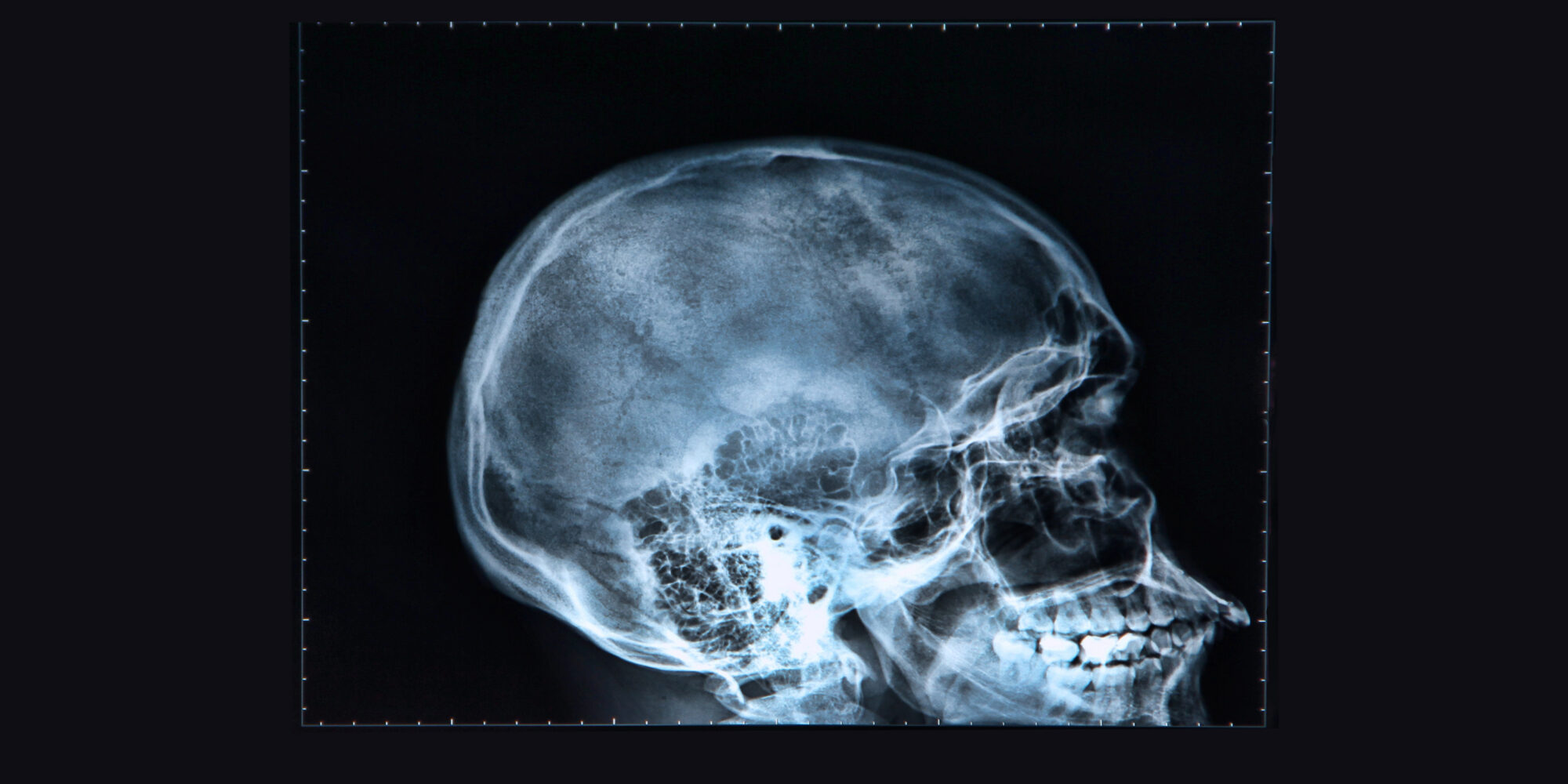
Body data could provide a 24-hour warning for headaches
Some people who suffer a concussion struggle with headaches and fatigue afterwards. Headaches and fatigue follow a consistent pattern that could potentially be used to warn the patient a full day before the symptoms set in.
In brief
- Headaches and fatigue are the most common long-term symptoms following a concussion.
- A new study from the Norwegian Centre for Headache Research (NorHead) shows that the headaches follow a consistent pattern.
- The pattern became apparent when researchers combined health apps, physiological data from patients, and machine learning.
- They can now see the outlines of a potential future headache warning system.
- The models can predict – with moderate to fairly high reliability – when a patient will experience a moderate to severe headache 24 hours later.
The short version was summarized and written by the article's author, not by AI
The patterns are distinct enough for specific types of artificial intelligence models to detect and learn from them. A recent study shows that the models could predict moderate to severe headaches and fatigue with moderate to good accuracy 24 hours before the symptoms occurred.
Gaining control over the day ahead
“There are strong indications that the symptoms experienced the following day do not occur randomly in people struggling with persistent post-concussion issues,” says Antonios Danelakis, a researcher at NTNU’s Department of Computer Science and the Norwegian Centre for Headache Research (NorHead).

Antonios Danelakis, NTNU
“The symptoms can follow specific patterns. AI can learn these patterns by training on physiological data collected over time.”
Some individuals struggle with symptoms – particularly headaches and fatigue – long after the initial concussion. The goal of the NorHead researchers’ study was to predict symptoms in this group. The possibility of receiving a notification via a smartwatch or app warning that symptoms are imminent could enable patients to prepare and plan their next day more effectively.
Tools like this would also provide valuable information to the healthcare professionals who treat these patients.
Data from heart rhythm, skin, and muscles
The researchers behind the study combined the use of health apps and physiological data with what are known as “foundation models” in machine learning. These are versatile, large-scale models trained on massive datasets that can be adapted for specialized tasks across widely different fields. Large language models like Claude and ChatGPT are built upon foundation models.
A total of 20 people with persistent post-concussion symptoms took part in the study, which was conducted at the Rehabiliteringsklinikken (Department of Rehabilitation) at St. Olavs Hospital.
All of them logged their symptoms daily for 28 days. They also conducted daily sessions measuring heart rate, skin temperature, and tension in the trapezius muscle, which connects the shoulder blade, the back of the head, and the spine.
- You might also like: Migraine research: AI finds patterns throughout the body
Moderate to fairly high accuracy
Based on the data, the researchers tested a foundation model and a more traditional machine learning model to see how well they could predict days with moderate to severe headaches over the next 24 hours. The foundation model yielded the best results. Researchers then used the model to investigate the feasibility of predicting days characterized by fatigue.
The key takeaway here is that developing symptoms follow patterns that become visible when measured over time. This means that, with the help of AI, it may be possible to create tools that warn when fatigue or a headache is imminent.
Impact on social life
The proportion of people who sustain a concussion and struggle with long-term complications afterward is uncertain. Recent studies show that more than one person in five experience symptoms more than three months after the injury. This can affect their daily well-being and their ability to participate in activities, work, or school.
“Our data show that more than 17,000 people in Norway visit an emergency clinic or hospital emergency department with minor head injuries each year. The true figure is likely at least twice as high if one includes consultations with general practitioners and individuals who don’t seek immediate medical attention,” says Danelakis.
Further testing required
It will take time before solutions are available that could make a difference for people struggling after a concussion. Danelakis notes that this is an under-researched field. The study is a so-called “methodological proof of concept” based on research data, which essentially means that a study has only tested whether the idea is feasible.
Important next steps include more extensive testing and further studies in which patients are monitored over time. The alert-delivery technology needs to be integrated into digital tools. This must be done in collaboration with users to ensure that they find the system effective. Legal regulations, privacy, and data security must also be taken into account.
- You might also like: How healthcare can benefit from AI, without costing the world
New app, new study
“All of these next steps will require interdisciplinary collaboration. Our work is an early step in that direction,” says Danelakis.
The NorHead researchers have now updated the app that they used in their study. They plan to launch a new study using the updated app version in the spring of 2027 and will soon start recruiting participants. The goal is to collect data from at least 200 patients who have persisting post-concussion symptoms.
Reference:
Antonios Danelakis, Gøril Storvig, Marte Helene Bjørk, Daniela Contreras, Manjit Matharu, Parashkev Nachev, Bendik Slagsvold Winsvold, Erling Tronvik, Anker Stubberud, Alexander Olsen: Foundation Model Forecasting of Headache Days in People With Persisting Postconcussion Symptoms, The Journal of Head Trauma Rehabilitation. doi: 10.1097/HTR.0000000000001206