Location matters: Balancing renewable energy and biodiversity in Norway
How can Norway provide new renewable energy sources to meet future needs while still protecting its natural environment, and the plants and animals that live there?
No matter how you look at it, Norway’s future electricity needs will grow. At the same time, the planet is warming at an unprecedented rate. One important way to help halt this trend is electrification, powered by renewable energy.
The energy transition must happen, but where and how we build matters for nature, for biodiversity.
But renewable energy isn’t without its costs. Hydropower plants, wind farms, solar installations and even transmission lines all share one common need: land.
“A central dilemma is that Norway and many countries need more renewable electricity to decarbonize,” said Jan Borgelt, a postdoctoral research fellow at NTNU’s Industrial Ecology Programme.
“But building that infrastructure also affects biodiversity and natural habitats. The energy transition must happen, but where and how we build matters for nature, for biodiversity,” he said.
A new study with Borgelt as the first author has now coupled Norway’s projected energy demands up to 2050 with different renewable energy options and the potential impacts on Norway’s natural environments.
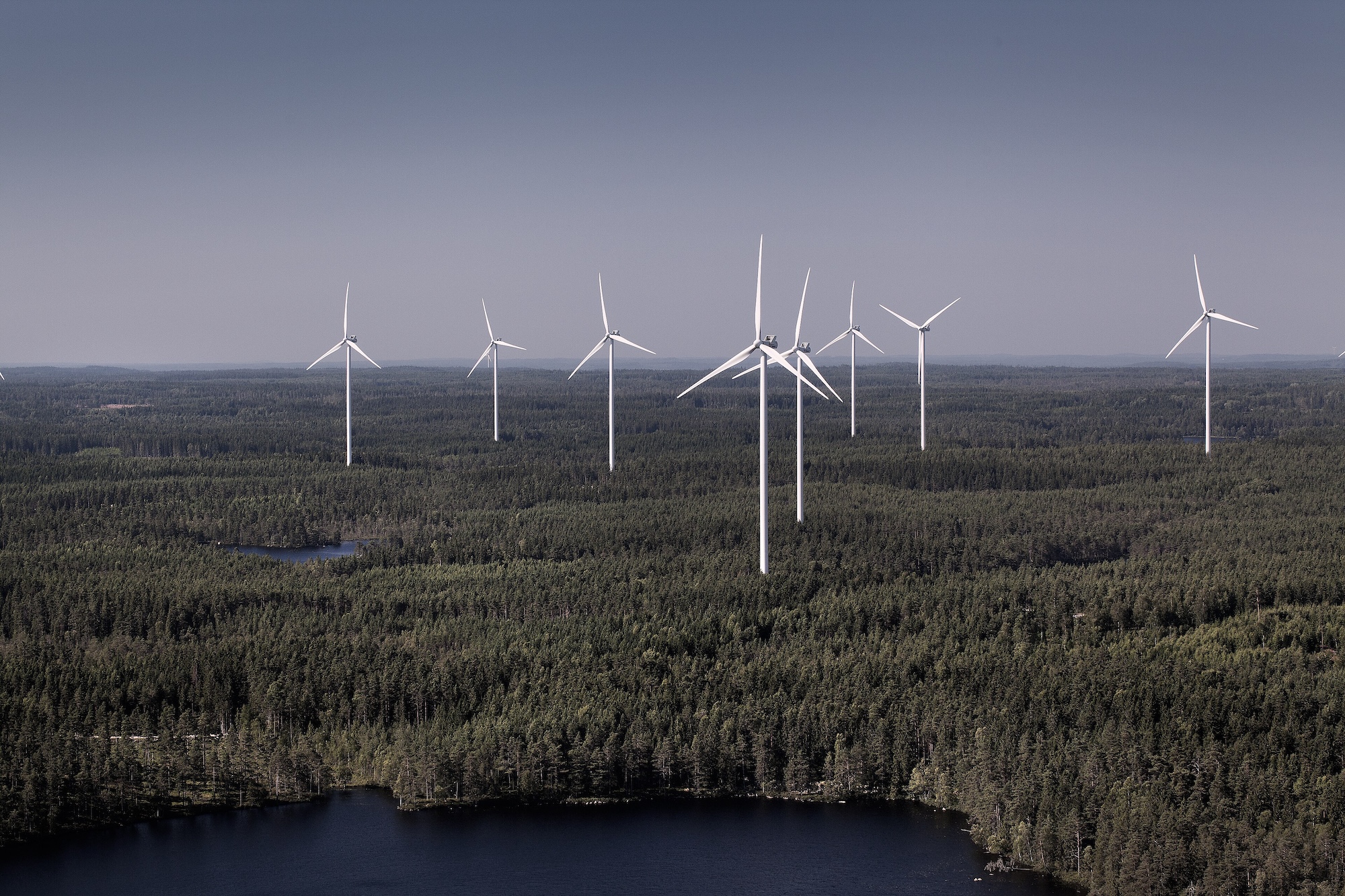
A wind park in the Swedish forest. Photo: Bengt Hellman, Wikimedia Commons, CC BY-SA 4.0
The bad news? Expanding Norway’s renewable energy could increase the overall impact on habitat loss by as much as 28% by 2050, depending on how aggressively Norway expands its renewable capacity.
However, there are important ways to curb those losses, Borgelt said.
Avoiding construction in species-rich habitats and using previously developed land where possible can help. But the most effective way to substantially reduce biodiversity impacts is to lower electricity demand through energy efficiency measures, he said.
Habitat loss in Norway
- The Norwegian Biodiversity Information Centre says that land use change is one of the main impacts on threatened species in Norway, affecting about 89% of its endangered species .
- A sweeping assess of development in Norway’s natural habitats from 2017 to 2022 found that 44,000 different incursions due to different construction projects across the country caused the loss of 207 km2 of natural habitats (in Norwegian). This study was jointly conducted by the Norwegian Broadcasting Corporation and NINA.
- An additional assessment by the Norwegian Environment Agency in 2024 found that in 2017-2022, 55-60 per cent of the losses of Norway’s undisturbed natural areas – defined as an area that is one kilometre or more away from roads, railways, quarries and energy developments – were due to energy infrastructure or development.
Hydropower dominates, but much of the damage is done
Today, 88 per cent of Norway’s electricity comes from 1821 hydropower plants and 1100 reservoirs, according to the Norwegian Water Resources and Energy Directorate.
Many of these hydropower plants and dams were built in the early 20th century, followed by a second wave of construction in the 1960s and 1970s.
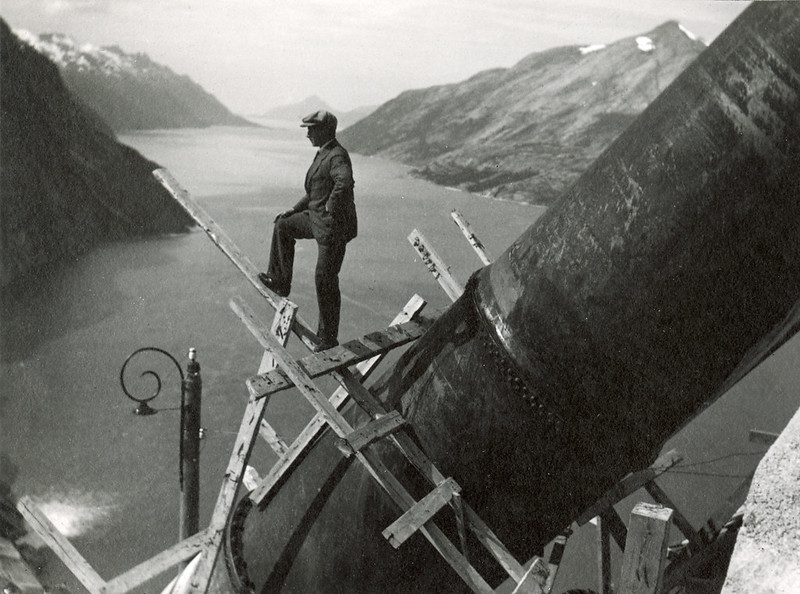
Construction of Glomfjord power plant in 1918, during Norway’s first big wave of hydropower construction. Glomfjord, Nordland, North Norway. Photo: Statkraft (CC BY-NC-ND 2.0)
Much of the remaining potential for large-scale hydropower development is in protected areas. That means it’s most likely that additional hydropower would come from upgrading and expanding existing facilities.
While hydropower, particularly reservoirs, accounts for the largest land footprint and has the highest impact on biodiversity, much of that damage has already been done. Hydropower production also affects aquatic ecosystems, like streams, rivers, and lakes. In this case, however, the researchers chose to focus on land-based effects of renewable energy.
- You might also like: New report on the future development of Norwegian hydropower
Wind power’s uncertain future
That meant when Borgelt and his colleagues looked at the future for renewable energy in Norway, onshore wind had the largest potential to cause habitat loss.
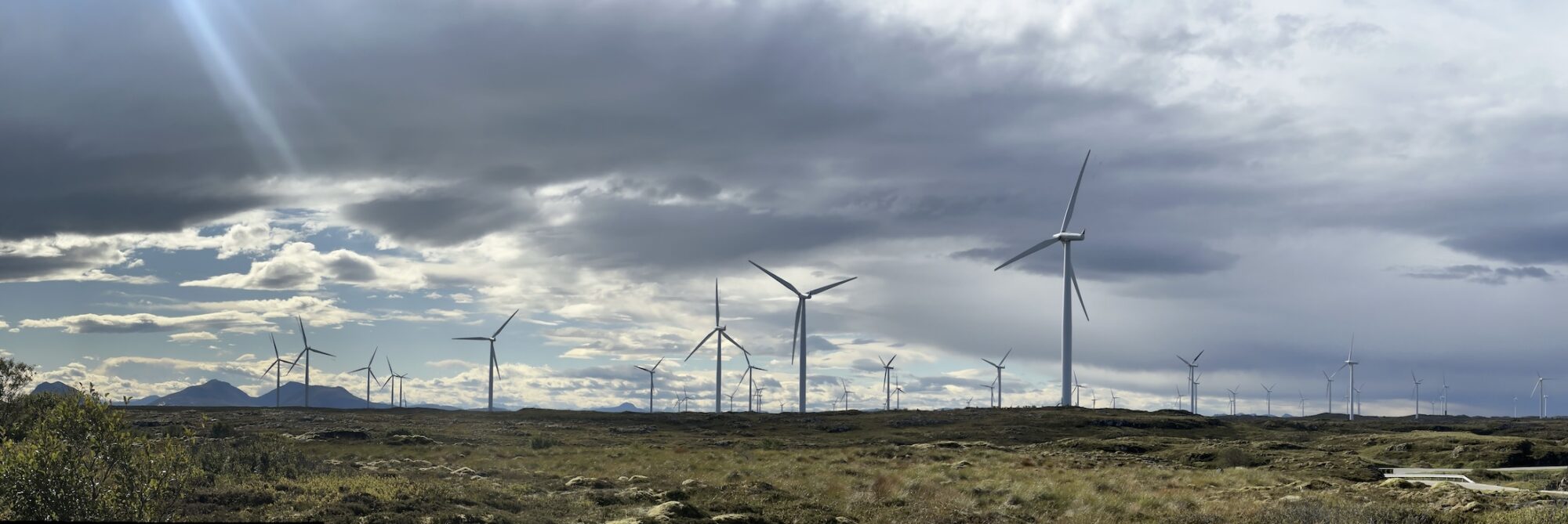
Wind power is Norway’s second most widely used renewable technology after hydropower, with 64 onshore wind farms that currently produce about 15.9 TWh per year.
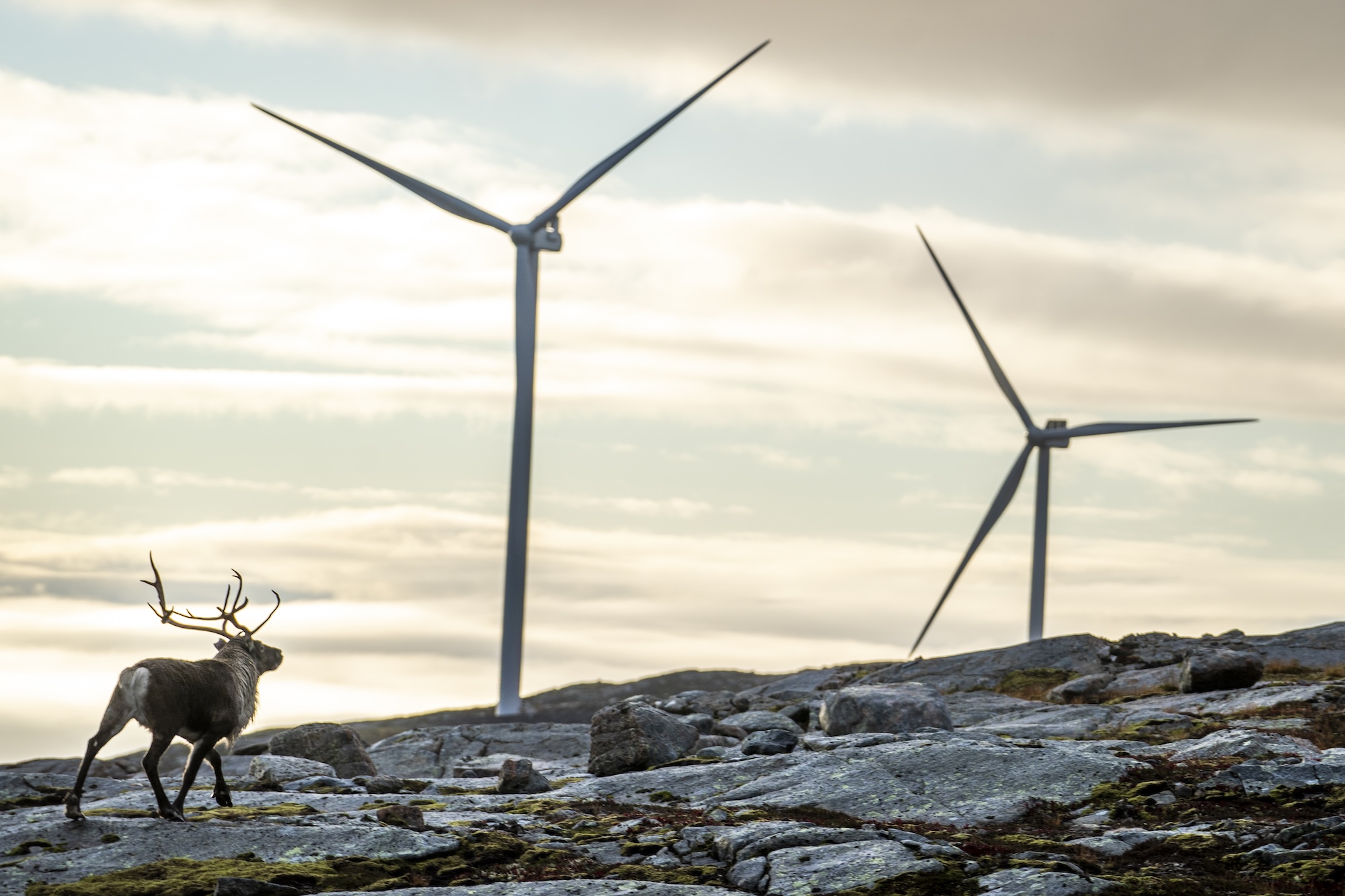
The Storheia wind park in Fosen was built in winter grazing grounds for two different Sami groups. The groups successfully appealed the construction of the farm to the Norwegian Supreme Court in 2021, with negotiated settlements reached in 2023 and 2024. But controversies continue to surround the wind farms with problems with reindeer calf survival and a recent proposal to build a new power line across the remaining winter grazing ground. Photo: Heiko Junge/NTB
The impact from turbines and related infrastructure itself may not be that large, and could be as little as 1.6 km2 per TWh (a Terawatt-hour, abbreviated as TWh, is a unit of energy representing one trillion watt hours), according to the Norwegian Water Resources and Energy Directorate.
The researchers estimated that a future wind farm would have an average direct footprint of roughly 0.5 km2 with an annual production of about 0.6 TWh. That doesn’t include other effects, such as bird deaths from turbine blade collisions, or disturbance due to noise, for example.
A recent Norwegian study reported that many Norwegians fear that wind power could result in potential negative effects on biodiversity, recreation, noise, and land use changes.
All told, the future for wind power development in Norway remains uncertain, according to market analyses by the Norwegian Water Resources and Energy Directorate and Statnett, the system operator for the Norwegian power system.
- You might also like: Svalbard: non-native species are threatening vulnerable plant life
Solar energy – location matters
Solar energy had the least impacts – but when the researchers compared habitat loss impacts to the amount of electricity produced, ground-mounted solar plants had the largest impact per unit of electricity generated.

Mounting solar panels on roofs can be a good solution for solar energy in Norway. The photo shows the Zero Emissions Building Laboratory, run by NTNU and SINTEF, Scandinavia’s largest independent research institute. Photo: ZEB Lab NTNU/SINTEF
“Ground-mounted solar plants use relatively large land areas compared to the amount of electricity they can produce. So in that sense, it’s relatively inefficient,” Borgelt said.
Here’s where location and design can make a difference.
“This can become a problem when large solar farms are placed in forests or other natural habitats,” Borgelt said. “But rooftop solar changes that picture dramatically because it does not require additional habitat conversion. That can greatly reduce conflicts between energy production and biodiversity protection, because it uses already developed areas.”
- You might also like: Wax, wood and CO2 – tools that can combat climate change
The transmission grid – impacts and benefits
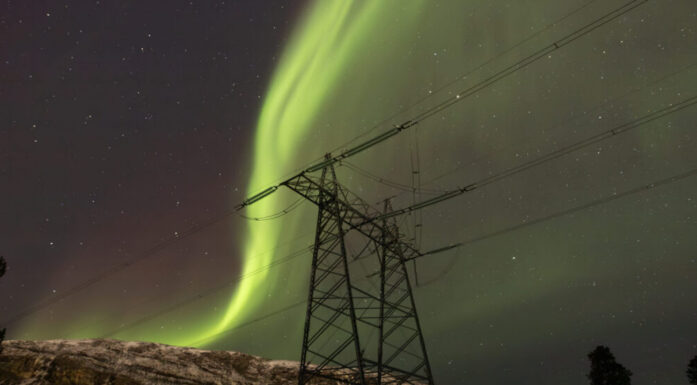
When the researchers looked at the habitat loss caused by the Norwegian electricity system, the transmission grid had the second highest effect after hydropower. This is because many power line corridors cross forests, where trees must be removed to build and protect the infrastructure.
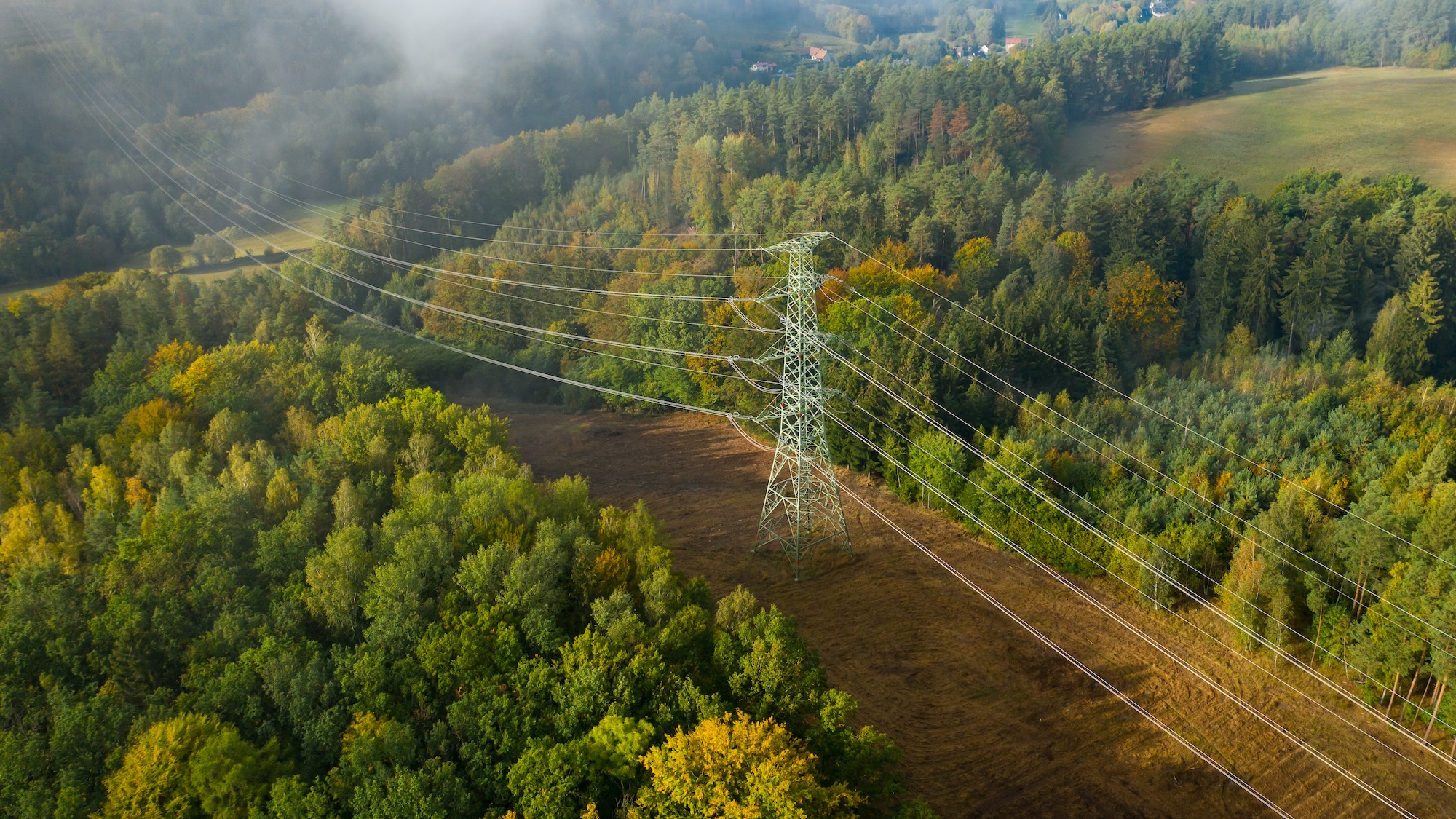
An aerial view of high voltage power lines illustrates the kind of effect they can have on the landscape. Photo: Shutterstock
“We often forget the transmission grid when we talk about the energy transition and renewables,” co-author Dafna Gilad, a researcher at the Norwegian Institute for Nature Research (NINA) said. “While it is very essential infrastructure, it also has impacts because it’s so extensive, with many kilometres of overhead power lines.”
However, when the researchers did their analysis, they found that the open landscapes associated with power lines were actually beneficial for plants, amphibians and reptiles. However, that was not true for birds and mammal species.
How they did their study
- The researchers first mapped 13 habitats and their species richness – meaning how many different kinds of species each habitat could support for each of four groups: birds, mammals, plants and reptiles and amphibians.
- Next, they estimated how suitable each of these habitats was for the four groups and used a mathematical model to estimate how many species could potentially disappear from different areas as Norway builds more renewable energy infrastructure. They used a species-area relationship model, a widely accepted concept that suggests that reductions in habitat area will cause species richness to decline.
- They looked at four types of land-based energy: hydropower power plants and reservoirs, onshore wind farms, ground-mounted solar power installations, and power line corridors.
- They then ran six different future scenarios out to 2050 to look at how much renewable energy might Norway build, what kind, and how that would affect habitat area and associated species richness.
Can we do more with less?
In the end, the researchers found, the most important big-picture factor in determining how much damage would result from renewable energy expansion was overall demand, not a specific technology.
“Even if you produce most of the additional electricity from onshore wind, hydropower, or solar power, it doesn’t really matter. What matters is how much electricity we will produce overall,” Gilad said.
“It’s easy to focus mainly on cost or on where infrastructure is easiest to build,” she said. “But biodiversity also has to be part of the decision-making process. We need more renewable energy, but we also need to minimize impacts on natural areas.”
Borgelt said the study is a reminder that not all renewable energy projects have the same ecological footprint.
“Once we zoom in, location matters,” he said. “Some projects can produce large amounts of electricity with relatively low biodiversity impacts, while others create much larger conflicts with nature. That means planners can identify lower-conflict projects and make better siting decisions.”
Reference:
Jan Borgelt, Dafna Gilad, Roel May, Francesca Verones, Renewable energy growth amplifies land pressure on Norwegian biodiversity, Cleaner Energy Systems, Vol. 13, 2026. https://doi.org/10.1016/j.cles.2026.100238