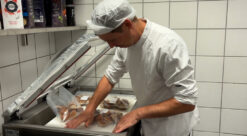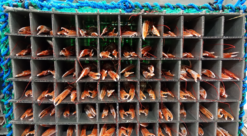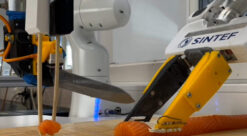
This traditional fish processing company increased production by 50 percent
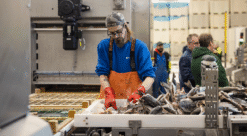
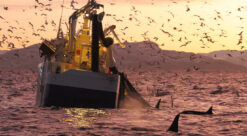
New technology and automation have radically changed production practices. Workers now lift around 20 tonnes less fish – each day – than they used to.
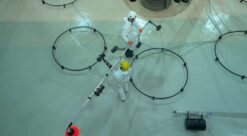
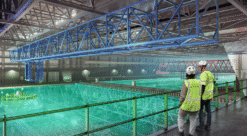
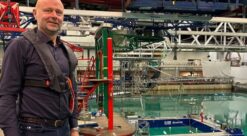
Concrete has never had to meet such high standards. Deviations cannot exceed millimetre level. Even the curvature of the Earth must be taken into account in building the world’s most advanced laboratories.
The fishing and aquaculture industries are major consumers of plastic. Feed hoses, nets and ropes all contain plastic – and even washing fish farming nets can be a culprit. But research shows that simple methods can reduce emissions.
One of Norway’s largest production kitchens makes 2500 meals a day. The focus on food waste, simple tools and identifying deviations shows that it is possible to save 300 meals a month through donations.
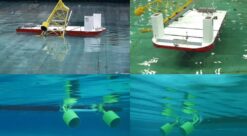
By using two propellers that rotate in opposite directions, a ship can use less energy to move forward. New knowledge means that more ships can use the technology, including Hurtigruten’s Sea Zero project for its coastal cruise ships.
The ship may need over five kilometers to stop. Perhaps not so surprising. The ship measures 62 meters in width and extends 21 meters below the water’s surface. Four models needed to test if the ship withstands launch.
Only five percent of small fishing boats chill their catch on board, despite the fact that temperature plays a crucial role when it comes to quality and shelf life.
Using well-known offshore technology from the oil industry, along with a completely new idea, the founders of Farmocean-subsea want to create equipment for aquaculture at sea. Way out at sea.
The world needs more of the valuable nutrients found in fish viscera, liver and roe. Yet, much of this raw material is being thrown back into the sea. There are good reasons to stop this wasteful practice.
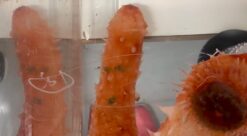
After three years of waiting it has finally happened. Researchers have succeeded in getting a red sea cucumber, widely regarded as the world’s most expensive seafood, to spawn in the lab.
More than a million tonnes of fish residues can rescue the food and cosmetic industries from raw materials shortages – and create new jobs. The key factors here are oils rich in omega-3, collagen and gelatin.