Here’s why seafarers have little confidence in autonomous ships
Despite its long history as a maritime nation, Norway is struggling to recruit enough seafarers. Increased automation and autonomous ships have been hailed as a solution to this crisis, but seafarers themselves are concerned about safety. A recent study shows that there are 12 specific reasons why confidence in automation is low.
In brief
- Captains and mates on Norwegian ships are concerned about the technical safety of autonomous ships.
- A new major study from NTNU shows why trust is low and highlights 12 specific challenges.
- Seafarers are not critical of the technology itself; they are concerned about losing their own skills and becoming overly dependent on the technology.
- The goal of the research is safer use of advanced technology and increased trust in autonomous ships.
A number of autonomous ferries will be deployed on Norwegian routes, the first as early as this autumn. They are intended to be operated with minimal human intervention. At the same time, captains and mates on Norwegian ships are concerned about the technical safety of autonomous shipsAutonomy is the ability to operate independently without direct human control. In shipping, the term refers to ships that can navigate, steer and undertake all tasks on their own. Source: Ny maritim kompetanse.
“Seafarers feel strongly that people should continue to work on board, maintaining oversight and control so that unforeseen events can be managed properly,” said PhD research fellow Asbjørn Lein Aalberg.

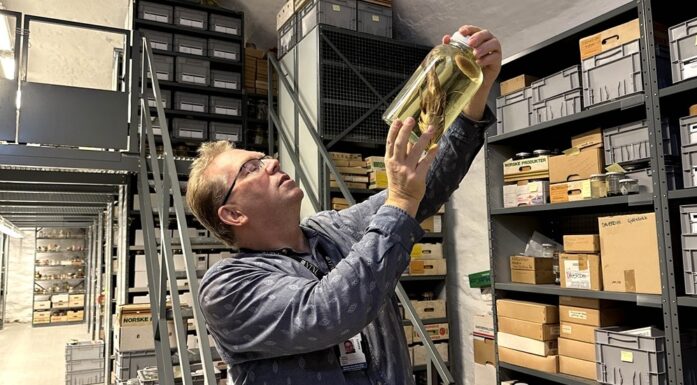
“It is important that technological development takes place in a way that builds trust among seafarers, passengers, and other users,” emphasizes NTNU PhD candidate Asbjørn Lein Aalberg. Photo: NTNU
He is conducting research on seafarers’ trust in autonomous vessels at NTNU’s Department of Industrial Economics and Technology Management.
Emergencies and expertise
In a new study, he and Professor Trond Kongsvik identified 12 topics, or challenges, related to the safety of autonomous ships.
The study is based on open-ended responses from a total of 1,009 captains and mates on Norwegian ships. This makes it the largest of its kind in the world. The answers they received concerned everything from how to handle emergencies to concern for seafarers’ competence and awareness:
“In waves of over 4 metres, I do not want to encounter an autonomous ship that does not use the ‘bad weather route’ like we do,” says one.
“Crews are becoming lazy because they expect an alarm on absolutely everything,” says another.
If their concerns are taken seriously, it may be safer to let computers take over more tasks on board, the researchers believe. The table below lists their concerns and needs – and what the seafarers themselves say about them:
12 reasons why seafarers are concerned about autonomous ships
| CONCERNS AND NEEDS: | SELECTED COMMENTARY FROM SEAFARERS: |
| 1. The overall need for reliability and human control of automation | "Automation is fallible and must be monitored and supervised by humans." "Automation must be monitored by people who can intervene when it fails." |
| 2. Concerns about possible consequences for important tasks | "Who will do all the maintenance and keep all the equipment in working order?" "Who will evacuate passengers?" |
| 3.Concern about the reliability of automation | "Whatever technology is introduced must be virtually flawless." "The reliability of these systems are the most important aspect and must be tests." |
| 4.Need for human override and control | «fokuset på operatører og muligheten til å ta manuell kontroll om nødvendig» «det er for mange upålitelige sensorer i dagens system. Umulig uten tilsyn» |
| 5. Need for continued human presence | "The human factor is always involved." "Completely unforeseen events cannot be replaced by a matrix." |
| 6.Concern for seafarers' competence and awareness | "As things become automated, personnel will be much less engaged and know less – such as about navigation." "Crews become less engaged and alert because they expect the system to alert them about absolutely everything." |
| 7. Concern about how emergencies and crises will be handled | "We already have too little staffing to handle a crisis situation." "How will the ship handle a total power outage?" |
| 8. The need for backup and redundant systems | "Adequate backup systems and reactions when something goes wrong – for example, several individual systems that do the same thing and check with each other if they agree” “The fact that there are backup systems that take over if an error is triggered on the main system” |
| 9. Need for enough crew on board | "Do not reduce staffing" "Should not be used as an excuse to reduce safety staffing" |
| 10. Need for user-friendly systems and training for operators | "Systems should be easy to use and easy to fix, or be easy to operate manually" "The systems must be considerably better than they are today for this to work. As of today, almost all systems depending on interaction with humans to function optimally." |
| 11. Need for a controlled implementation process | "These ships must be piloted over a long period with personnel on board." "This must be implemented gradually and in a controlled manner." "Safety MUST be assessed by competent external parties with a critical view of the companies' proposals" |
| 12. Need for capability under different external conditions | "When waves are more than 4 metres high, I don't want to encounter an autonomous ship that doesn't use the 'bad weather route' like we do" "Supervision of ships that are sailing, capacity on the ocean and handling of other traffic" |
| Kilde: A.Aalberg, T. Kongsvik: How can maritime automation and autonomy be safely implemented? A mixed-method topic modelDOI:https://doi.org/10.1007/s13437-025-00401-9 |  |
Open – but put safety first
The aim of the research is to ensure safer use of advanced technology and to increase seafarers’ trust in autonomy. Aalberg believes that in order to achieve this, authorities, researchers, technology developers, ship designers and shipping companies must actively address the challenges highlighted by the seafarers.
Most of the thousand responses were constructive. It may be possible to allay some of the concerns through clearer communication and by allowing the seafarers to try out the systems. Other topics require further development and research.
- You might also like: Proud seafarers have serious doubts about the safety of autonomous ships
Difficult recruiting seafarers
Captains and mates have command on board ships. From the bridge, they must maintain oversight, control and the ability to handle situations as they arise. The maritime industry is currently struggling with recruitment, and many stakeholders are investing in automation. Today’s seafarers have little confidence that this will be certain. The industry must understand why they are sceptical if it is to get them on board, says Aalberg.
“Trust is the key to collaboration between people and systems. If most seafarers are sceptical about the new technology, it provides a poor foundation for recruiting competent personnel,” he says.
Seafarers and doctors in the same boat
Society will need seafarers for the foreseeable future, but their roles are changing. If we are to achieve safe and effective solutions, seafarers must be involved. For example, in the pilot and test phases, they are the ones who will be best able to assess how things work, the NTNU researcher believes.
Trust is the key to collaboration between people and systems. If most seafarers are sceptical about technological developments, it provides a poor basis for recruiting competent personnel
Aalberg sees similarities with the field medicine. Artificial intelligence is becoming increasingly accurate at assessing X-rays, for example. Nevertheless, medical experts tend to believe that they are better at assessing the whole and particularly complicated cases. Just like ship officers, they find it difficult to fully trust the technology.
At the same time: Research shows that the results are often even better when people work in interaction with these systems, Aalberg points out.
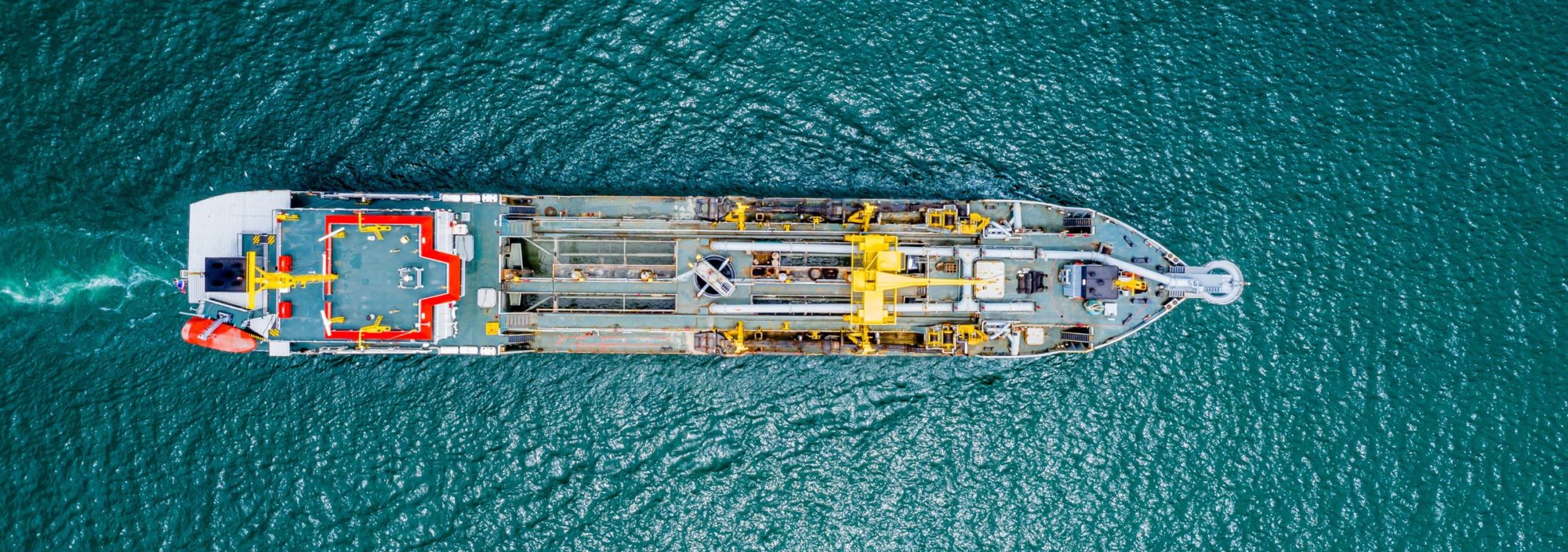
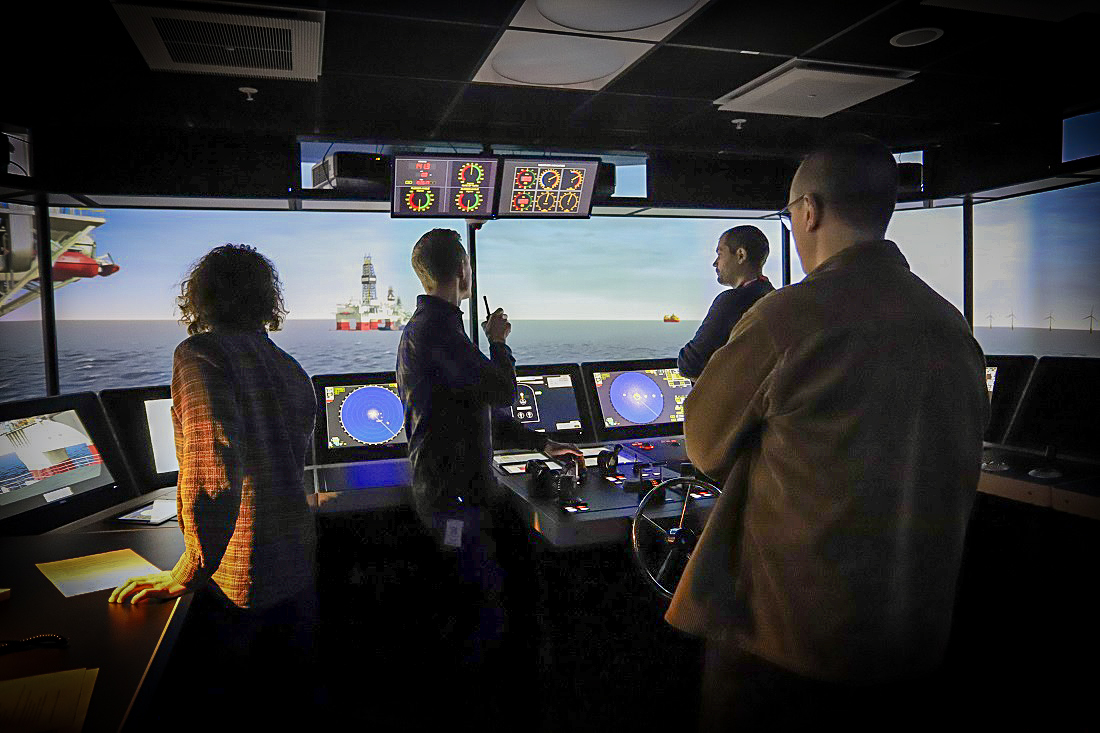
To ensure safer use of advanced technology and increase trust in autonomy, authorities and the maritime industry must actively address the challenges highlighted by seafarers, according to NTNU researchers. Photo: SFI MOVE
Fear of losing skills
A large proportion of the responses relate to concerns about the technology. However, the researcher was surprised that many seafarers are most concerned about losing their own skills – that they might become mentally ‘lazy’ from ‘just sitting there’ and become overly reliant on the technology.
Aalberg likens it to how we have become accustomed to driving a car with GPS and automatic gears. That means it won’t be easy to suddenly have to navigate with a map and shift gears manually. If a ferry is to operate autonomously all the time, the captain loses his or her intuition. Everything from mastering critical events to manoeuvering in bad weather.
“For example, when a ferry with hundreds of passengers has to be evacuated quickly. We have to investigate, and find solutions to these things. The best way to achieve this is by listening to what the professionals think.
Minimal human intervention
Aalberg says it now appears that parts of the industry are pushing hard for technology to fix everything. The Norwegian Public Roads Administration, for example, has stipulated that new autonomous ferries set to operate on the Lavik–Oppedal crossing from autumn 2026 be run with minimal human intervention.
The fact that seafarers’ expertise doesn’t carry the same amount of weight may possibly explain some of their scepticism, he believes.
- You might also like: Taking control of unmanned vessels at sea
Must focus on building trust
Aalberg says that many academic communities are concerned about this, such as NTNU’s Shore Control Lab. The research here is particularly focused on creating solutions where humans are at the centre of the systems, and not just a spare part that shouldn’t intervene.
He hopes that authorities, shipping companies and designers in the maritime industry can use his research results to tackle these challenges.
“It is important that the development takes place in a way that builds trust among seafarers, passengers and other users,” emphasises Asbjørn Lein Aalberg.
Reference:
Aalberg, A.L., Kongsvik, T. How can maritime automation and autonomy be safely implemented? A mixed-method topic model. WMU J Marit Affairs (2026). https://doi.org/10.1007/s13437-025-00401-9