Light environment in fish farms hinders salmon’s sleep rhythms
What happens when you disrupt a fish’s natural rhythm? The use of light in fish farms can stress the fish and prevent them from sleeping or developing properly. New research now makes it possible to measure light from the fish’s point of view. This could greatly improve fish health.
Light is one of the strongest biological drivers of aquaculture. Until now, the accepted practice has been to blindly manage the light that salmon are exposed to and assume it is the right dosage. However, the sensory cells in fish eyes react differently to light than humans do.
“We have assumed that the salmon are receiving the correct light dosage based on the lamp’s stated power. We take spot samples with a lux metre, but it’s designed for humans, so we don’t have an exact measurement of the amount of light the fish actually receive,” says Harald Ian Muri, a research scientist at SINTEF Ocean.
Closer to the goal of measuring light on the fish’s terms
The aquaculture industry uses light as one of its most important biological drivers. However, it does so without the benefit of a common and biologically anchored standard for what the correct light dosage actually is. The light is largely controlled by lux – the intensity of light that falls on a surface – or practical experience. It tells us nothing about what the fish actually register biologically.
Through the IlumiAqua project, researchers from SINTEF Ocean, Nofima and the University of Tromsø are testing how light affects salmon in hatchery facilities. Melanopsin is a light-sensitive protein found in special cells in the eye. Could it tell us what salmon actually see and need?
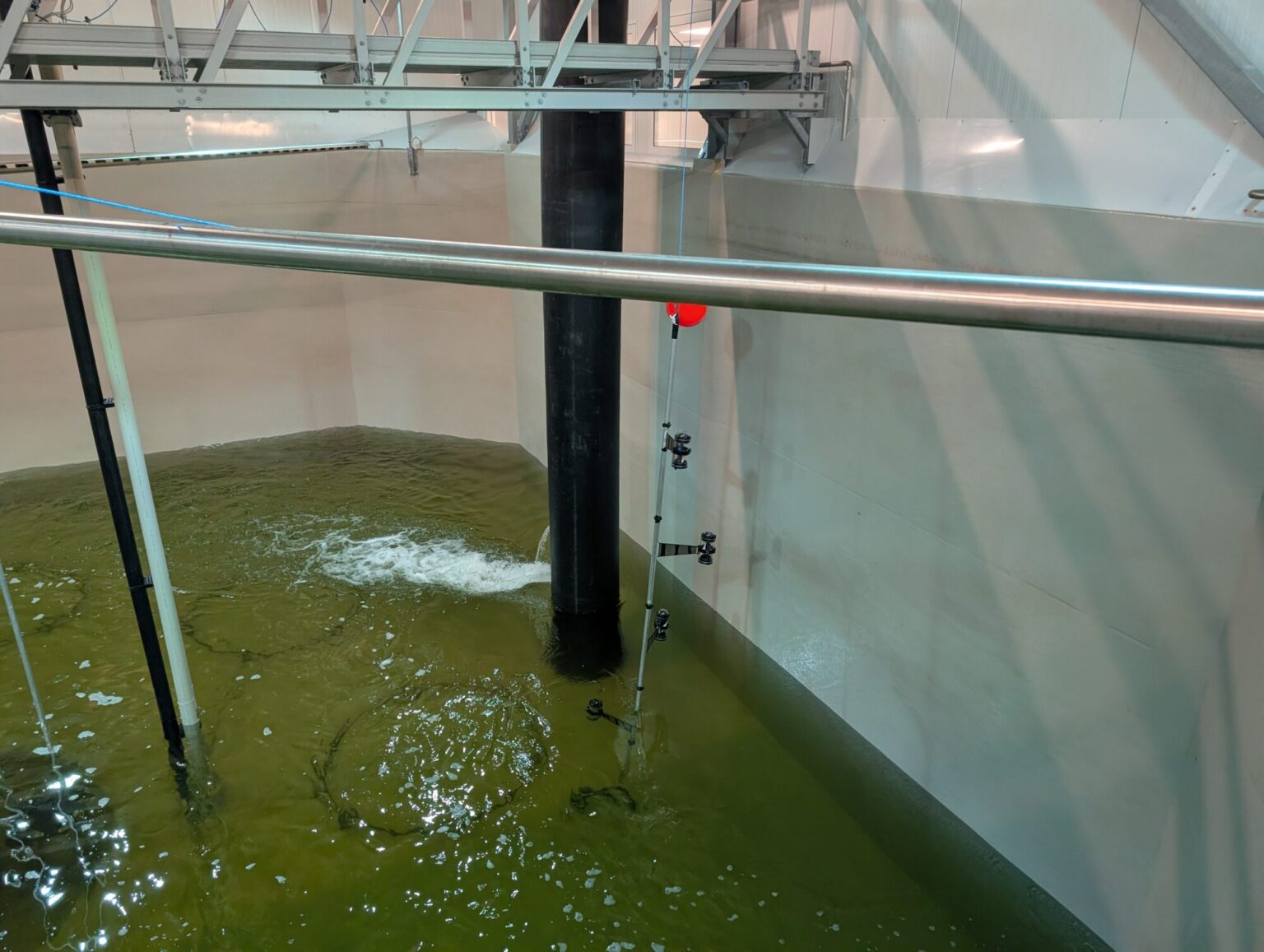
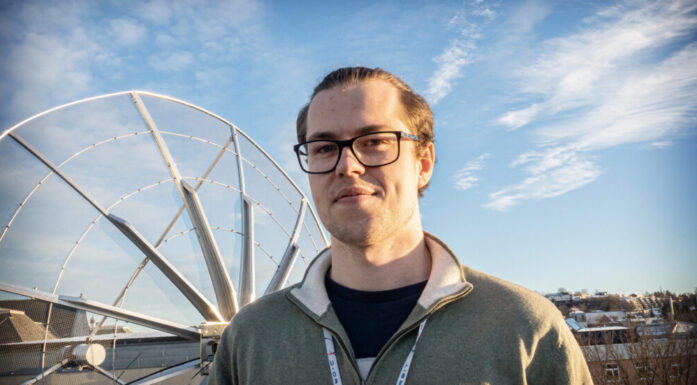
By mapping the fish’s opsins, a large group of light-sensitive proteins, we can define light measured in a way that is biologically effective for the salmon rather than for humans, Muri says. Photo: SINTEF
Now the researchers have made a breakthrough. The results so far show that melanopic irradiance is already possible to use as a standard for measuring circadian rhythm. Melanopic irradiance refers to how much light (especially blue light) impacts the salmon’s melanopsin system.
This information allows the researchers to calculate how much of the light from a random lamp actually affects the circadian rhythm, making it possible to measure. The method makes it possible not only to describe light as strong or weak, but also to assess whether the biological signal is too high, too low, too long, too short, or if the day-night contrast is adapted to the fish’s rhythm system.
“This is precisely what makes light a possible control parameter, in the same way that we currently measure oxygen,” says Muri.
Light controls both growth and well-being
The SalMar smolt facility at Senja, one of the largest producers of farmed salmon along the coast of Norway, started with full lighting during their start-up in 2017. However, they recognized that not everything was quite right for the fish, so they took a step back and started again. They introduced the practice of 12 hours of moonlight and 12 hours of light.
“We’ve seen a great effect by changing from continuous light to controlled light. It has to do with the natural processes in the fish. It’s beneficial for the fish to be able to follow their own rhythms,” says Stein Roar Ernstsen, the production manager at SalMar Settefisk on Senja.
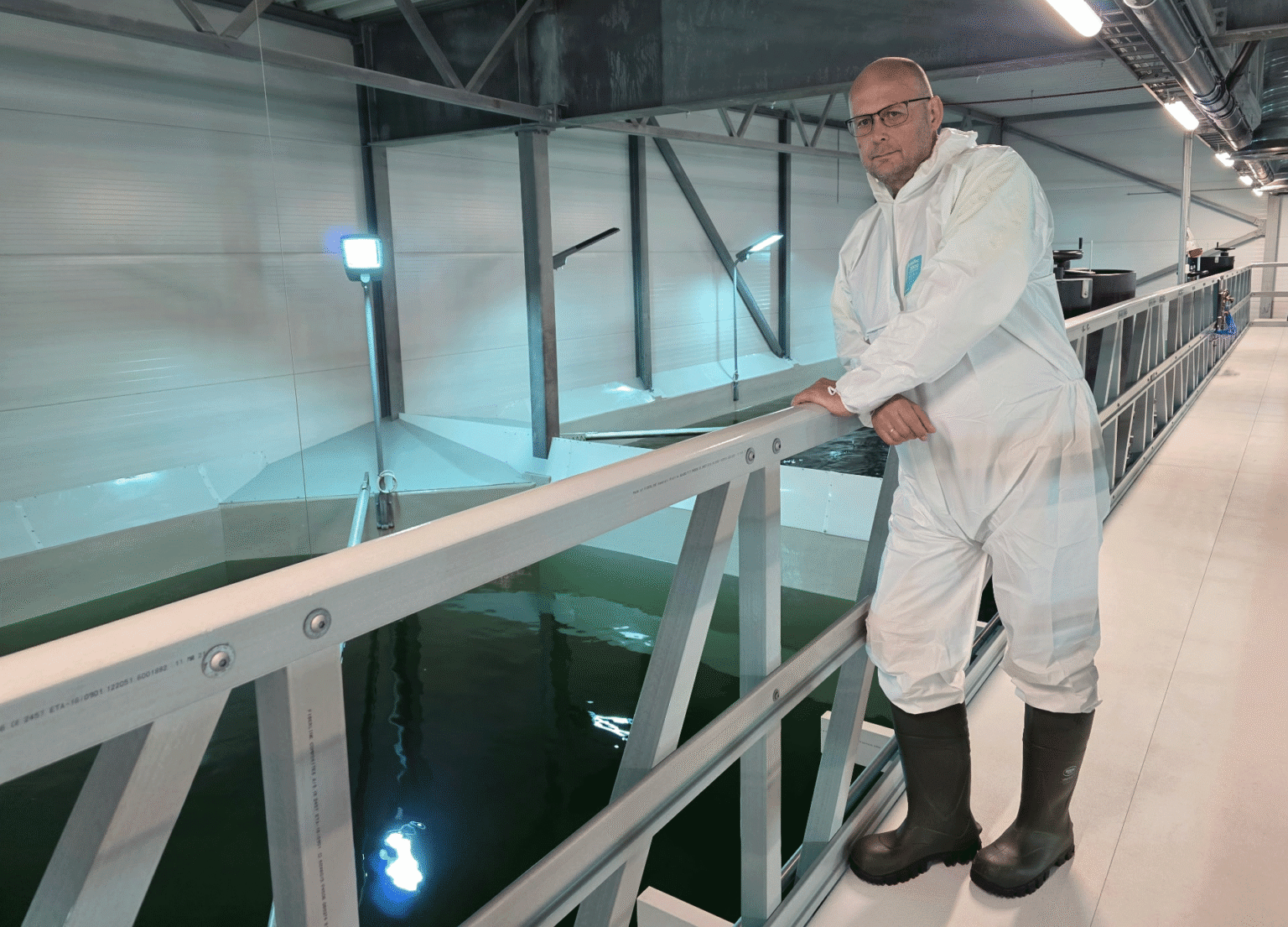
Stein Roar Ernstsen at SalMar thinks it is valuable to finally be able to measure light on the fish’s terms. Photo SalMar Settefisk AS
Fish are used to extremely different light environments, both in freshwater and saltwater. Even though they are good at adapting to light levels, they need to have a rhythm. Without rhythm, you disrupt the sleep rhythm in a way that can stress the fish and disrupt their sleep patterns. The fish’s rhythm is regulated by hormones. If the fish loses its natural rhythm, it becomes unable to regulate its hormones, leading to poor health.
“This project is very interesting because we have seen great effects from the changes we have already made.
“We want to contribute to and develop projects like this one to find the best solutions. This project is very interesting because we have seen great effects from the changes we have already made. If we can go one step further and learn even more, it will be a positive development for the entire industry,” says Ernstsen.
More tests and a dedicated handbook
The project continues to conduct more tests at the Sunndalsøra facility in Møre og Romsdal county, and then uses the new knowledge in practice.
“At SINTEF and Nofima, we are measuring light, converting it to melanopic irradiance and using the material as a biologically relevant control parameter in the experiment,” says Muri.
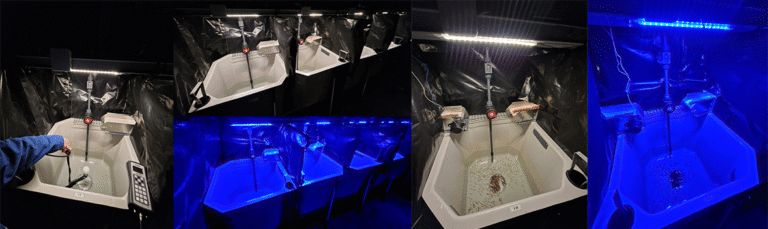
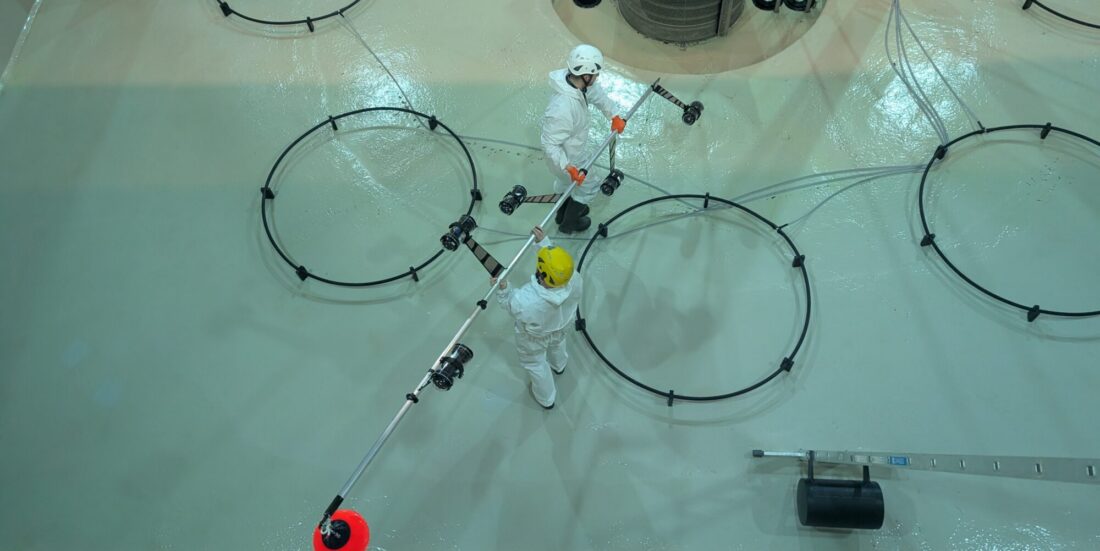
Here, salmon are exposed to different light spectra, while keeping the melanopic irradiance (how much light, especially blue light, affects the melanopsin system in the salmon) the same. This makes it possible to compare the light treatments. Photo: Nofima
Nofima is also creating its own handbook through the project. It will build understanding of what light is like in water, how light is measured, and how it is absorbed and impacts the fish. In addition, the handbook will describe current practices in the industry and point towards best practices.
“The handbook will be a useful tool for the aquaculture industry. It will set some frameworks for how controlled light works. We are happy to be able to contribute to that,” says Ernstsen.