YouTube can help people with bipolar disorder
People with bipolar disorder are taking to YouTube to talk about it. Researchers believe this may have a range of benefits
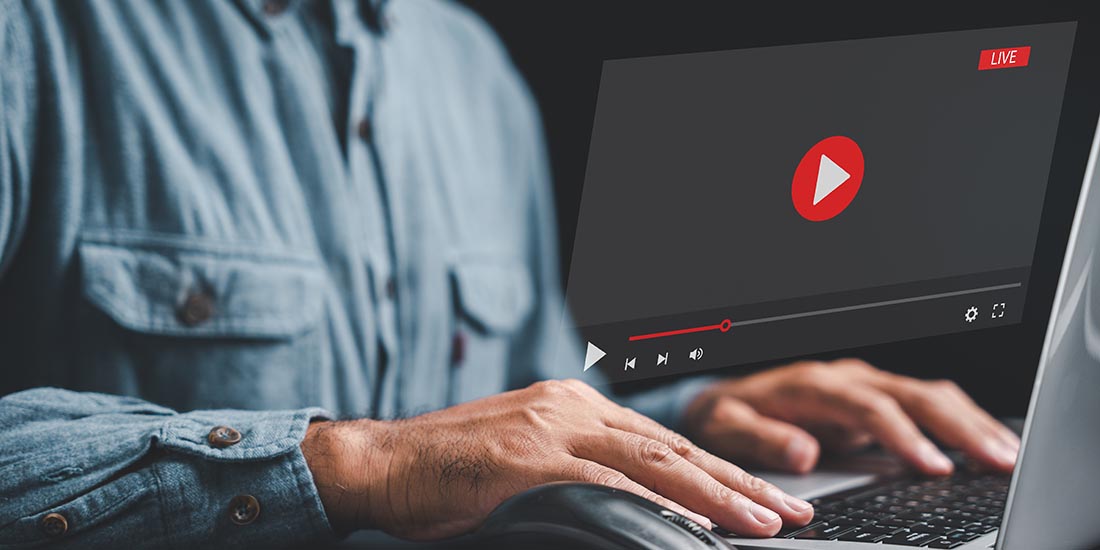
YouTube has become a favourite platform for many people with mental health problems. It is a place where they can share their own experiences and discuss different aspects of living with a diagnosis.
But how do they talk about life and their disorder, and is posting on YouTube beneficial? Researchers at NTNU and the University of Basel have now studied how 39 people with bipolar disorders portray their lives and diagnoses on YouTube.
“We wanted to investigate how the diagnosis of bipolar disorder is portrayed in personal videos on YouTube. We mainly focused on people’s own experiences and reactions to the diagnosis,” said Associate Professor Lucas Bietti from the Department of Psychology at NTNU.
He is behind a new study in collaboration with senior researcher Eric Mayor from the University of Basel in Switzerland, which has been published in the Journal of Medical Internet Research.
More and more researchers are studying how mental health disorders are portrayed on YouTube. However, until now, no one has specifically focused on how bipolar disorder is presented there.
- You might also like: Loneliness and mental health problems are interconnected
Personal stories
“People who talk about bipolarity on YouTube tend to share more detailed and personal stories than what is usually seen on other social media platforms,” said Bietti.
The videos often focus on treatment, especially medication and psychotherapy, and for the most part, these are described positively.
“But many people also mention side effects and challenges in following the treatment,” added Bietti.
It can of course be very helpful for other people with these types of disorders when someone talks about it openly.
Survey results
Many videos addressed challenges with finances and housing (15 videos), work and education (13 videos), and relationships and family (20 videos).
Medication was mentioned in 31 videos and psychotherapy in 23 – most often in a positive context.
8 main themes emerged:
- Reactions to diagnosis, treatment and healthcare professional competence
- Trial and error with medication
- Positive aspects of bipolar disorder
- Impairment, stigma and shame
- Loss and grief
- Family planning and genetics
- Changed identity (both mental and physical)
- Social relationships and human contact
Not only negative aspects
Many different topics arise when people with bipolar disorders discuss their situation. Everyday life is not always easy, but not everything is completely negative.
“The majority feel that getting a bipolar diagnosis is negative, but some people are also positive about it. And some are in denial,” said Mayor.
Some people even stop taking their medication or going to therapy in order to preserve an identity they like. This is often linked to manic symptoms.
- You might also like: Treatment for panic disorder has a good long-term effect
Focus on interpersonal relationships
Needless to say, there are plenty of challenges.
“Many people experience major emotional, social and financial consequences of the disorder, including guilt, loss and heavy strain on relationships with other people,” said Mayor.
Relationships with others are often a major focus. People with bipolar disorders can see other people both as a source of support and as a source of stress.
“Relationships with other people are sometimes linked to where the illness comes from, such as genetics and hereditary factors in the family,” said Mayor.
The YouTube testimonies often mention both stigma and self-stigma associated with the disorder. This affects both the people themselves and their families.
Peer support
The stories on YouTube are both complex and rich in content.
“Overall, our study shows that YouTube has potential as a platform for peer support and for raising awareness about mental health,” said the researchers.
This insight can be useful for health professionals, researchers and in targeted information campaigns. The researchers nevertheless also highlight the need for more studies on how social media affects people’s awareness of mental health.
Reference: Mayor E, Bietti LM. A Social Media Study of Portrayals of Bipolar Disorders on YouTube: Content and Thematic Analyses. J Med Internet Res 2025;27:e67129 doi: 10.2196/67129