Norwegian rivers need to be better protected
When hydroelectric power plants suddenly switch off the water, we risk killing fish fry and other living organisms in rivers. The regulations need to change, say scientists and anglers.

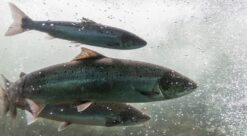
When hydroelectric power plants suddenly switch off the water, we risk killing fish fry and other living organisms in rivers. The regulations need to change, say scientists and anglers.

Heating with oil in homes and commercial buildings is now banned in Norway. The storage tanks are supposed to be removed from buildings, but many people choose not to get rid of these environmental time bombs.
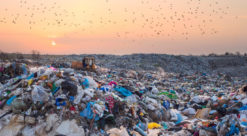
Using non-recyclable plastic waste as an alternative to coal may prevent huge volumes of plastic from being discarded into the oceans – and will also reduce CO2 emissions. This is the conclusion of a recently completed pilot project headed by SINTEF in Vietnam.

The idea behind batteries is to make the planet greener, but they all start their lives as energy-demanding environmental liabilities. Research scientists at SINTEF have succeeded in making batteries cheaper and simpler using a process that requires much less energy consumption.
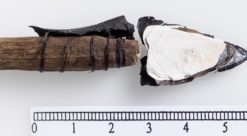
Norwegian mountains are full of time capsules. Thousands of years of human and ecological history are preserved in remnant patches of ice. Now this treasure trove of information threatens to melt away, unless we take action.

What if a concrete building could heat itself – while being built? Research scientists are about to make this dream a reality.
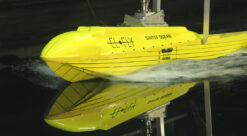
With this seaplane you will be able to take off from Trondheim Fjord or Flesland Airport in Bergen, Norway, and land in the Geiranger Fjord one hour later.

Electrification of the Norwegian continental shelf is a long-standing political issue. Now research scientists believe this can be done using fuel cells installed on the platforms. This will reduce CO2 emissions and remove the need to lay new subsea cables.
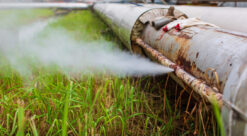
High energy prices highlight the importance of the thousands of kilometres of insulated pipe networks and equipment in industrial plants. However, corrosion under the pipes’ insulation is hard to detect and can have severe consequences. New surveillance technology being developed by SINTEF can help combat this looming threat.
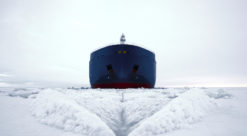
More than 600 fishing vessels sail the icy waters of the Arctic. But just over two dozen big tankers are the worst offenders when it comes to air pollution in this vulnerable region.
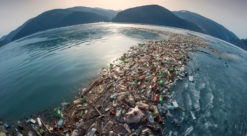
Capping production of new plastics will help cut their release to the environment — and brings other benefits, from boosting the value of plastics to helping tackle climate change.
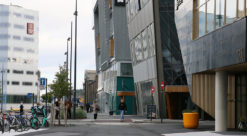
Many buildings with solar cells produce more electricity than they consume themselves, but current legislation prevents surplus power from being sold to neighbouring consumers. A pilot project in Trondheim will be the first in the world to test a system that makes this possible.

How Norwegian scientists and engineers harnessed the country’s wild waterfalls by developing super efficient turbines — and how advances in turbine technology being developed now may be the future in a zero-carbon world.
The climate will benefit if we shift to using aluminium in more and more construction. Buyers need to look past the procurement costs and consider the total life cycle costs instead.

The Intergovernmental Panel on Climate Change (IPCC) has released its third Working Group report on how humankind can mitigate the ecosystem and societal effects of climate change. Much can be done, but the challenges remain enormous, the report confirms.
While former Prime Minister Jens Stoltenberg steered Norway according to the logic of economics, today’s politicians seem to lack a basic understanding of markets. The result is a policy that amplifies energy scarcity and drives up energy prices – without policymakers recognizing this unintended consequence.
Professor Edgar Hertwich has been named to the EU’s newly constituted European Scientific Advisory Board on Climate Change, while Professor Francesco Cherubini has been asked to serve as a Lead Author for an upcoming assessment by The Intergovernmental Science-Policy Platform on Biodiversity and Ecosystem Services (IPBES).

Baby boomers have a big climate footprint. In 2005, people over 60 accounted for 25% of greenhouse gas emissions. In 2015, that number jumped to nearly 33%.
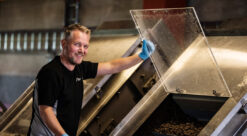
A shortage of phosphorous is driving the price of artificial fertilisers through the roof. But a new and eco-friendly wastewater decontamination process has enabled a company in Hamar in Norway to kill two birds with one stone.
Norwegian industry is shifting towards a greener future. But what does the transition to a greener economy really mean for industry and for consumers?

Hunting or other wildlife regulations can make a population more viable – if done correctly.

Ladybird beetles are probably among the most popular insects we have. Did you know that Norway has some 50 different species – plus some unwelcome guests?

Little research has been done on how nano- and microplastics affect children. Researchers are surveying what we actually know and offer some useful tips to parents.
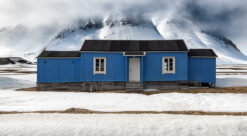
The cultural heritage of Svalbard is unique. It reflects human life and activity in a harsh and fragile environment. Researchers are now working to preserve it for posterity.