The magical reindeer nose
Every schoolchild knows about Rudolph the Reindeer and his magic red nose. But Rudolph’s real-life counterparts really do have a magic nose. The colder it is, the better it is in keeping the animals warm and hydrated.

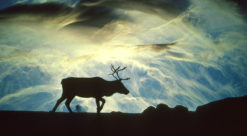
Every schoolchild knows about Rudolph the Reindeer and his magic red nose. But Rudolph’s real-life counterparts really do have a magic nose. The colder it is, the better it is in keeping the animals warm and hydrated.

The world will not be able to reach the goals of the Paris Agreement without technology capable of capturing, transporting and storing CO2.

Universal adoption of the ISA speed warning system in Norway could reduce both the average speed of vehicles and their emissions, concludes a recent SINTEF report. Lower speeds also lead to fewer fatalities and serious injuries on the roads.
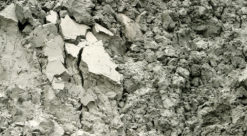
By controlling a mix of clay, water and salt, Norwegian and Brazilian researchers have created nanostructures that might help boost oil production, expand the lifespan of certain foods or that could be used in cosmetics or drugs.

Shopping centres are major energy consumers with significant opportunities for savings. Researchers are currently checking the impact of savings made on lighting and air-conditioning at the City Syd centre in Trondheim.

Researchers have established a technique that will help ensure a stable supply of electricity even as new renewable energy sources come on line. The trick is helping all of the subsystems to work in concert.
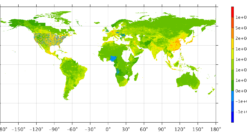
A new model creates global hot spot maps to illuminate how what we buy pollutes the planet and where. The idea is to help governments, industries and individuals target areas for cleanup.

Man-made refrigeration gases threaten the Earth’s climate. The use of natural compounds like CO2 is an effective counter-measure.
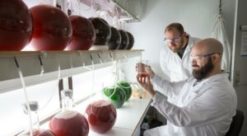
Minute particles of plastic, called microplastics, are everywhere. An international research team is now about to investigate how toxic microplastics are to marine animals such as plankton, crabs and fish, and to find out if such plastics accumulate in the food chain.
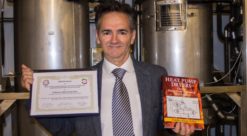
Professor Odilio Alves-Filho recently received a Japanese research prize for his book on environmentally friendly drying using heat pumps.

Planning on cooking something at your hut? Today, you still need a gas stove to do so. But soon, stoves and ovens containing rechargeable heat batteries may be readily available for any cabin or home.
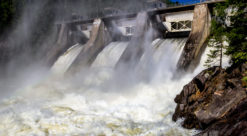
It’s not easy for big, profitable companies to respond to huge technological changes. One NTNU researcher hopes to help Norway’s electric power industry cope with the market challenges from renewable energy and changed consumer behaviour.

Research shows that fitting tyres with very low rolling resistance, combined with the right road surfacing, can provide just as much noise reduction as traditional noise barriers.
How will a future electricity grid manage the demands of induction cooking, charging electric cars and roof-installed solar panels? The answer is Smart Grids, which involves digitisation of the electricity grid.
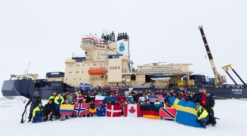
Three NTNU researchers have visited the North Pole during a research cruise in their efforts to better understand sea ice.
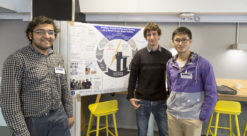
The Nordic Five Tech, an alliance of the leading technical universities in the Nordic countries, celebrated its tenth anniversary this June with a high level summit to plot a strategy for its next decade. There was talk of horses, cars, and swimming robot snakes.
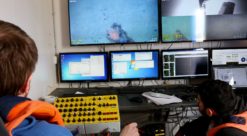
Ocean dumping of munitions from WWII was common in Norway and along the European coast. Some of these bomb dumps offer a natural living laboratory where biologists can study cold-water coral reefs.
A district heating grid supplying low temperature heat is set to boost surplus and renewably-sourced heat utilisation.
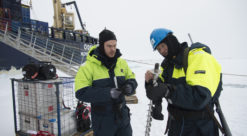
Representatives from Japanese and Norwegian universities, research institutions, government agencies and industries interested in polar issues will gather in Tokyo in early June to present research results and build partnerships.
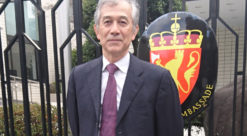
Starting today, Hiroshito Matsumoto will work from a base in Toyko on behalf of NTNU and the University of Bergen to build new research partnerships between Japan and Norway.
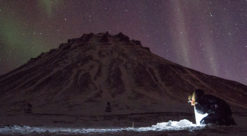
Global warming means much warmer winters in the Arctic, with more rain and icing. Researchers are working to understand what that will do to plants that have evolved to overwinter under a thick blanket of snow.
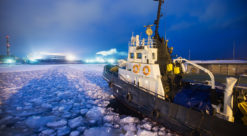
The Arctic is set to be a 21st century boomtown, as summer sea ice melts away, opening the area to increased trans-Arctic shipping and oil and gas development. A new understanding of Arctic coastal erosion offers clues to how to best protect the docks and other infrastructure this development will bring.

You won’t make big cuts in your environmental impact by taking shorter showers or turning out the lights. The real environmental problem, a new analysis has shown, is embodied in the things you buy.

NTNU and Norway’s technological capital—Trondheim—hosted a Climathon to give the city the tools it needs to make ambitious greenhouse gas cuts. The results might be helpful to other cities around the globe that face the same problem.