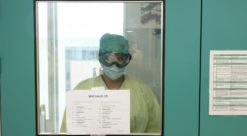
Robot to the rescue when buildings collapse
When disaster strikes, a small robot steps in to save lives. The researchers have dubbed it a “Smurf.” It uses its eyes, ears and nose to find survivors in collapsed buildings.

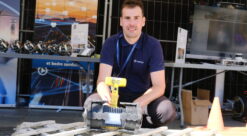
When disaster strikes, a small robot steps in to save lives. The researchers have dubbed it a “Smurf.” It uses its eyes, ears and nose to find survivors in collapsed buildings.
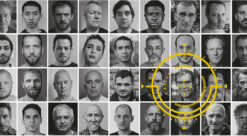
Some people never forget a face. This is an ability police forces around the world find very useful. It now seems that this superpower can be used for more than previously thought.

You are less likely to be murdered in a democracy than in an undemocratic country, but the reason is not democracy itself. Quite the opposite.
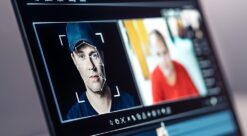
Will we be able to trust text and images in the future? Deepfake is being used not just for innocent fun, but also to influence voters in the world’s most powerful countries.
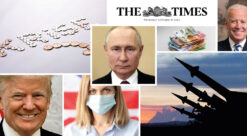
It might seem like the world is being bombarded by one crisis after another. But what’s really happening is an increase in media coverage.
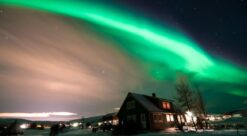
Solar storms are no joke. It may get cold and it may get very dark. Our mobile networks may be severely disrupted.
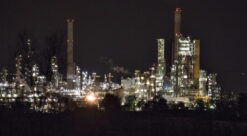
Plant managers used to be kept awake at night by the fear of unintended incidents. But their new nightmares are much worse.
Data-driven public administration changes the public sector in a fundamental way. But what does this mean for you as a citizen?
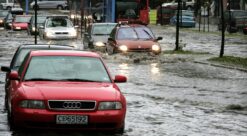
If we are to avoid our cities becoming ‘heat magnets’ one day, and overwhelmed by flooding the next, we have to incorporate wetlands and ditch systems into our urban infrastructure.
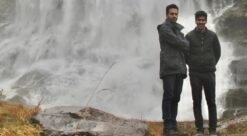
Managing hydropower production is complicated. Artificial intelligence can help ensure that we don’t run out of power.
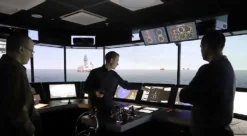
The risk of cyber attacks against a ship is real. The working crew on board must be allowed to practice handling these risks in a realistic way. Now they can.
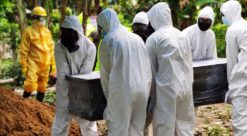
At least six million people have died from COVID-19 to date. But who dies is often not random. The same pattern is found around the world.
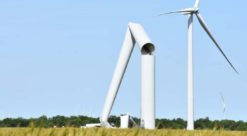
Ships, bridges and wind turbines can all be made safe using sensors that are just a few millimetres across. Researchers have borrowed the principle behind the technology from a vibrating guitar string.
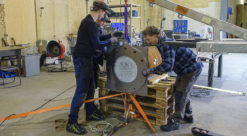
An explosion can hurtle fragments and debris at enormous velocities so they strike the surroundings. Then comes the shock wave. It’s a scary combination.
Autonomous aerial and ground-based robots have been designed to do the work needed to protect critical infrastructure – quicker and more cheaply than traditional methods.
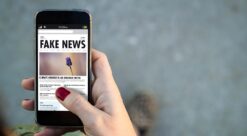
Conspiracy theories spread quickly early on in the pandemic, and social media received a lot of the blame. But not all social media are the same.
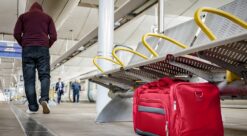
Some types of terrorist acts affect people much more than others. Islamist violence apparently produces the strongest counter-reactions.

Norwegians are not necessarily being selfish by wanting to go back to the good old days of cheap electricity. Nor do people think it is acceptable to use the situation for some to enrich themselves at the expense of others, says the researcher.
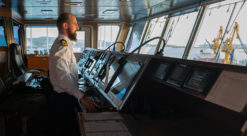
Drug dealers have tricked shipping cargo tracking systems to think drugs are “bananas” and unknown actors have jammed GPS signals in northern Norwegian waters. Fixing these problems requires understanding how seafarers themselves perceive cyber risks — so they can do a better job protecting themselves and their vessels.
Speedy work carried out for free in Norway resulted in an IT system that protects refugees against human traffickers at the Polish-Ukrainian border. This type of aid work may become financially self-supporting.
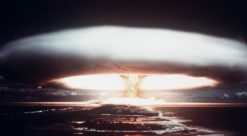
France covered up the consequences of their nuclear tests in the Pacific. As many as 110 000 people may have been exposed to radioactive fallout above the assumed safe levels.
Most people obtain their information from multiple sources. Social media’s dreaded “echo chambers” have little significance for most of us, a new study shows.
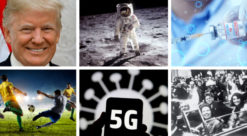
Everyone believes in at least one conspiracy theory, according to conspiracy researchers. Conspiracy theories aren’t reserved for angry Republicans in the United States. Do you think Biden stole the election?
COVID-19 has created an extra workload for people in socially critical professions. How does this added strain affect them and how do they handle it?