The shame-filled world of hair-pulling and skin-picking disorders
What mechanisms underlie frequent and repetitive hair pulling and skin picking?
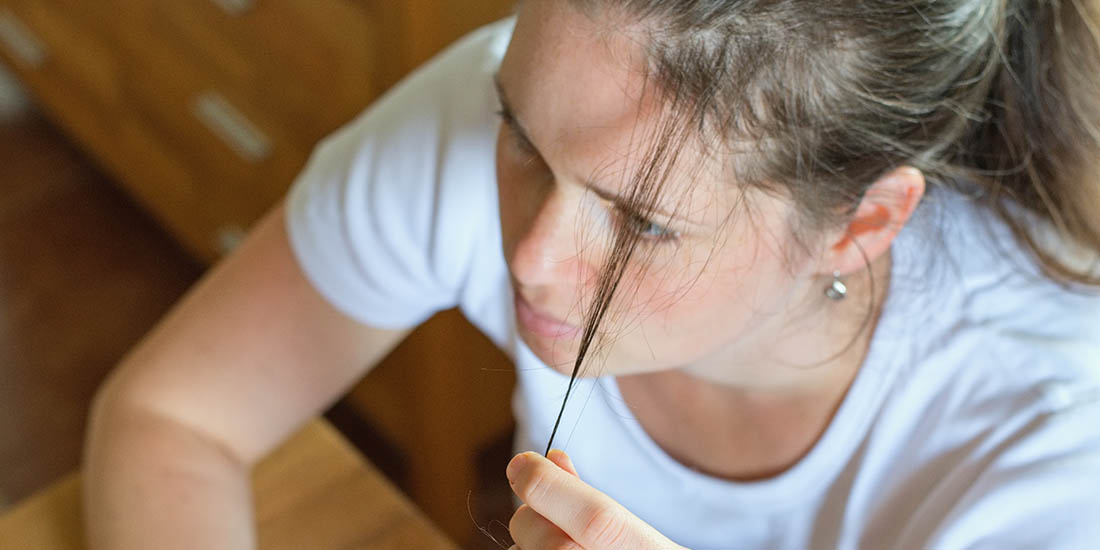
Over the course of their lives, up to 220,000 Norwegians will pick at their skin or pull out their hair to an extent that can be considered a mental health disorder. They pull out their hair until bald spots appear, or pick at their skin until it becomes sore.
“People feel a lot of shame and embarrassment. Not just because there is no hair there, but also because it is self-inflicted,” said Benjamin Hummelen, project manager from Oslo University Hospital (OUS).
Researchers at NTNU and OUS have now collaborated with several institutions in Norway and abroad to take a closer look at some of the mechanisms that may underlie frequent and repetitive hair pulling and skin picking.
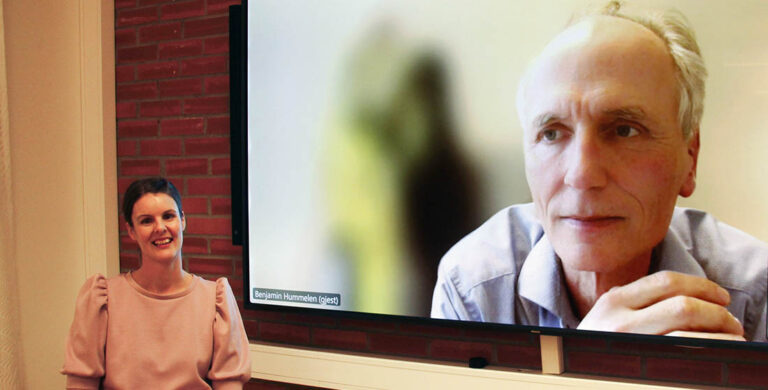
Torun Grøtte (left) and Benjamin Hummelen study hair-pulling and skin-picking disorders. Photo: Ragnhild Skavhaug
Multiple mental health disorders
It has been well documented that many people who struggle with hair pulling and skin picking also suffer from other mental health disorders such as anxiety, depression, ADHD and obsessive-compulsive disorder (OCD).
The researchers have now found that there is a close link between so-called early maladaptive schemas and both the severity and type of skin picking or hair pulling. Therapists can therefore benefit from assessing these negative schemas in order to better understand their patients.
When does hair pulling and skin picking become a disorder?
Even though the repeated skin picking or hair pulling is self-inflicted, it does not mean that it is a deliberate action. It is a behaviour that is difficult to stop.
There are two different patterns that characterize the behaviour:
- Some people pull out their hair or pick at their skin without even being aware of it, completely unconsciously. They often do it while concentrating on something else, such as driving or watching a TV show.
- The other pattern is more focused and deliberate skin picking and hair pulling. The act itself can alleviate negative emotions or boredom, and it can also produce a pleasurable feeling.
Most people pull their hair or pick at their skin occasionally, without it being a problem.
- You might also like: It’s important to feel good about yourself
A shame-filled disorder
“For it to be diagnosed, it must be classified as a problem that affects quality of life and ability to function. It must be distressing and affect how you function at work, school, or socially,” explained Torun Grøtte. She is an associate professor at NTNU’s Department of Psychology in Gjøvik.
“Some people spend several hours a day pulling their hair out or picking at their skin, and they may also spend a lot of time trying to conceal the damage it causes. They may use hats, wigs, or false eyelashes to conceal bald spots, or apply make-up to cover wounds and scars. There is a great deal of shame associated with these disorders,” explained Grøtte.
Schemas are developed at an early age
According to cognitive theory, all people develop various patterns of thoughts, emotions and physical reactions during childhood that influence how they view themselves and the world around them.
These schemas can be positive or negative, and they are shaped by experiences early in life. An example of a negative schema, or early maladaptive schema (EMS), is the belief that people will abandon you or not be there for you.
Early maladaptive schemas can influence the choices you make and the way you interact with the world and other people.
- You might also like: Psychiatric treatment no guarantee of a return to work
Searching for better insight
Previous research has shown that people with pronounced early maladaptive schemas also exhibit more severe symptoms of various mental health disorders, such as obsessive-compulsive disorder, depression and schizophrenia. These people also respond less effectively to treatment.
The researchers in the study wanted to gain better insight into the role that early maladaptive schemas play in hair-pulling and skin-picking disorders.
The 283 patients in the study had either hair-pulling, skin-picking, or obsessive-compulsive disorder, and the survey used in this article was conducted before they began treatment.
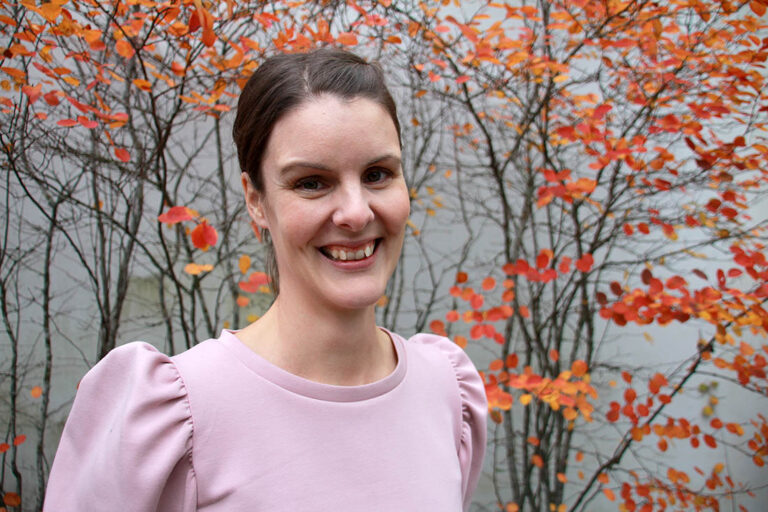
Researcher Torun Grøtte. Photo: Ragnhild Skavhaug
“This is one of several academic articles we have planned based on a large treatment project,” explained Grøtte. In this project, patients with hair-pulling and skin-picking disorders are treated with a form of cognitive behavioural therapy. The research will also follow the patients during their treatment and for several years subsequently.
Check your score on core beliefs
In this self-report questionnaire (in Norwegian) you can explore your core beliefs, how you perceive yourself, your relationships, and your place in the world.
Based on your answers, you will receive a total score that indicates the extent to which you hold negative core beliefs.
You score high if you recognize yourself in many negative core beliefs and if they affect you to a large degree.
“Elevated levels of early maladaptive schemas are found in most patients with mental health disorders. Cognitive theory regards early maladaptive schemas as a kind of common denominator in mental health problems,” said Grøtte.
In the study, the researchers found that patients who had both multiple and severe symptoms of hair-pulling and skin-picking disorders also had high levels of early maladaptive schemas.
The researchers were not surprised by this correlation. What they did not expect, however, was that there would be so few differences between patients with hair-pulling disorder, skin-picking disorder and obsessive-compulsive disorder.
The study also found that patients with hair-pulling disorder more often felt like failures, suppressed their own needs, felt different and that they did not fit in.
Self-sacrifice was common in patients with skin-picking disorder, and they too often felt like failures.
Differences in conscious and unconscious behaviours
Another interesting finding was that there were differences between patients who picked at their skin or pulled out their hair deliberately and those who did it unconsciously.
Participants who picked or pulled in a focused manner had higher levels of early maladaptive schemas. This may indicate that the correlation is particularly relevant for people who regulate negative emotions through skin picking or hair pulling.
Grøtte explains that they intend to continue studying the correlation between early maladaptive schemas and hair-pulling and skin-picking disorders.
“Is it the case that people who score high on early maladaptive schemas have poorer treatment outcomes? It would be interesting to find out,” said Grøtte.
The researchers are already well underway with the follow-up studies.
“We have a lot of interesting data to look at,” said Hummelen.
The aim of the project is to raise awareness about hair-pulling disorders in Norway and to ensure better treatment options for these patients. An important part of the project is to test a new form of cognitive behavioural therapy that combines habit reversal training with acceptance and commitment therapy.
Reference
Flagstad, E., Hummelen, B., Moen, E. et al. Early maladaptive schemas in trichotillomania and skin-picking disorder: their relationships with symptom severity and subtypes. BMC Psychol 13, 789 (2025). https://doi.org/10.1186/s40359-025-03096-y