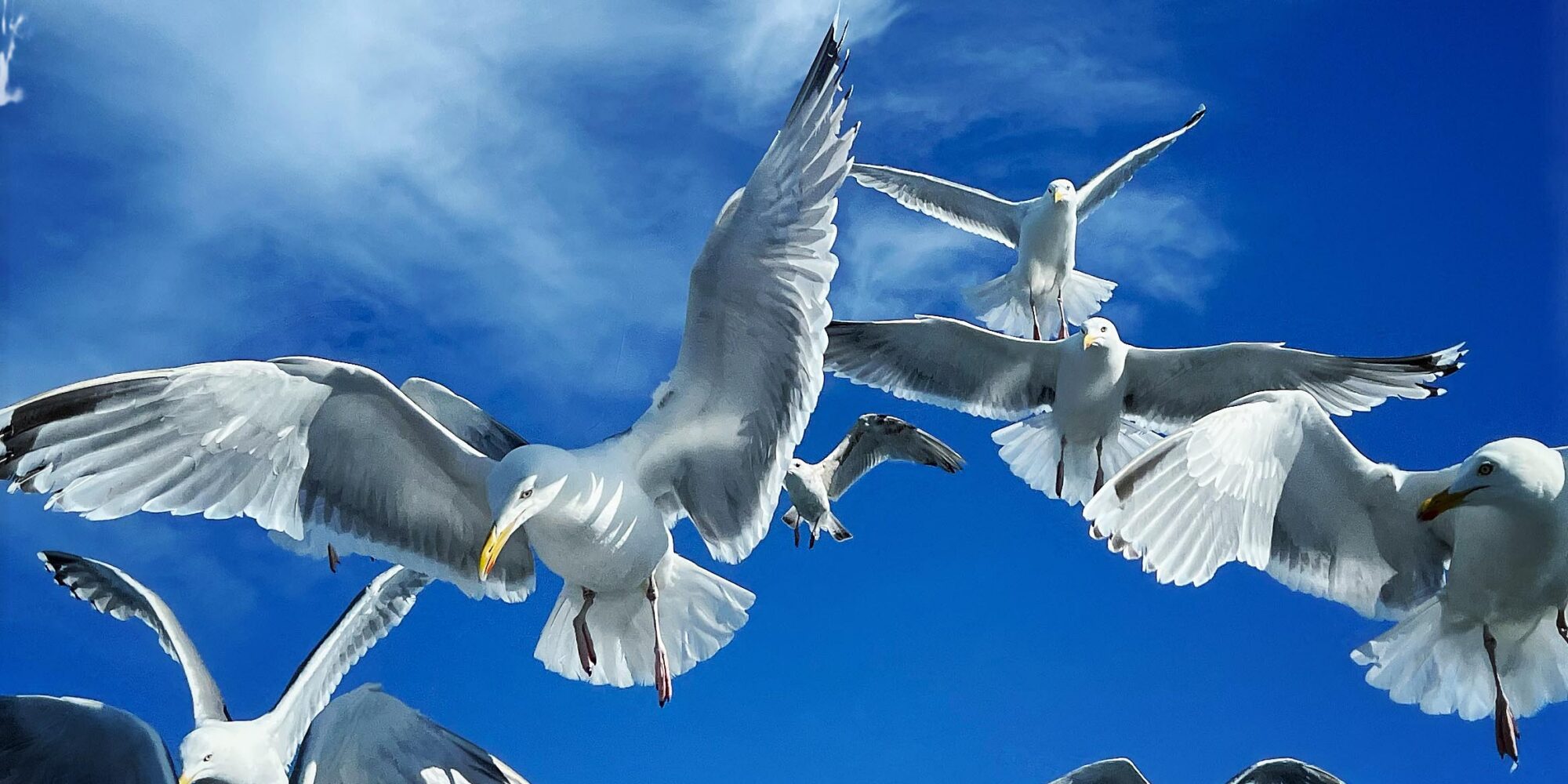
All seagulls are not the same. Here’s how to tell the difference
There are 55 species of gulls in the world, but less than half have been observed in Norway. Here you can learn a little about the most common gulls in the land of the Vikings.
A seagull is not just a seagull. Some of the members of the gull family Laridae can be difficult to tell apart.
Here are some tips from Professor Thor Harald Ringsby at NTNU’s Department of Biology and the Gjærevoll Centre, and researcher Ivar Herfindal at the Gjærevoll Centre. Both are experienced biologists who are well-versed in species identification as well as how changes in the environment, climate and land use affect different species.
Start with one species
“The six most common gull species in Norway are herring gull (Larus argentatus), common gull (L. canus), great black-backed gull (L. marinus), lesser black-backed gull (L. fuscus), black-legged kittiwake (Rissa tridactyla) and black-headed gull (Chroicocephalus ridibundus). They are adapted to different environments and can be identified by size, colour of the back, wings and head, as well as the colour of the beak and legs,” Ringsby said.
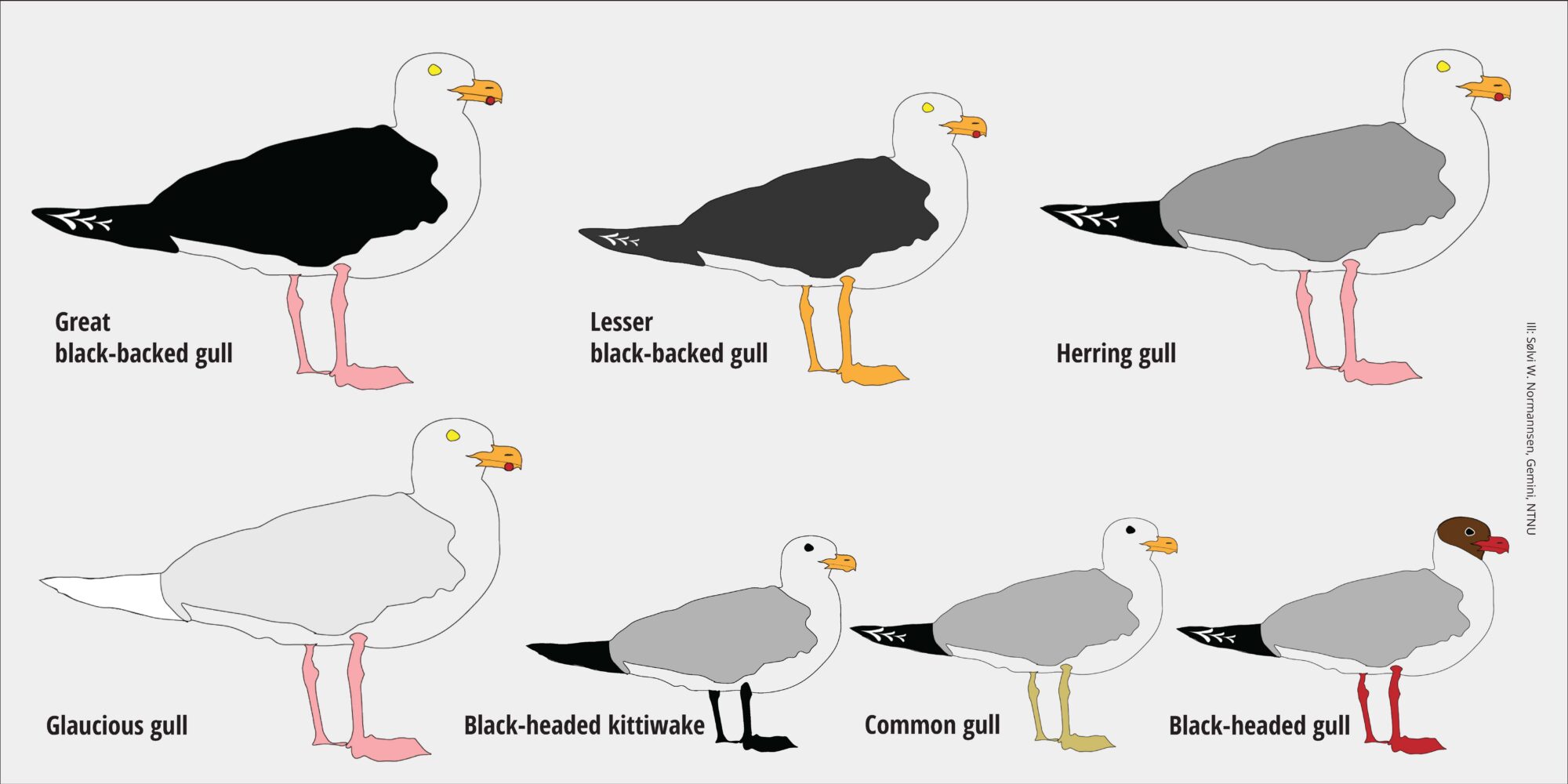
A guide to the seven most common gull species in Norway. Illlustration: Sølvi W. Normannsen, Gemini
Norway is also home to glaucous gulls (L. hyperboreus), although they are rare in the south because they breed in Svalbard, Bjørnøya and Jan Mayen.
“Start by looking for the most obvious characteristics, such as the colour on the back, or the colour of the legs. That’s how you train your eye for what to look for,” says Ringsby.
Characteristics of the most common gulls
- Black-backed gull: Norway's largest gull. Jet-black back and powerful build. Red spot on lower bill. Pink feet.
- Lesser black-backed gull: Similar to the black-backed gull, but slimmer. Dark grey to black back and bright yellow feet. Red spot on lower bill.
- Herring gull: The most numerous gull. Large and powerful with grey back, yellow legs and red spot on lower bill. Pink feet.
- Glaucous gull: Completely light grey back. The wing tips are white, the beak is yellow with the red spot on lower bill. Pink feet.
- Common gull: Smaller and more elegant than the herring gull. Grey back, yellow-green feet and a thin, yellow beak.
- Black-legged kittiwake: A colony and seabird that nests on steep coastal cliffs. Completely white and grey, with short, completely black feet and a small, yellow beak.
- Black-headed gull: Small and easy to recognize by the dark brown "hood" on its head during the breeding season, bright red beak and feet.
Pink feet? Yellow? Take it step by step
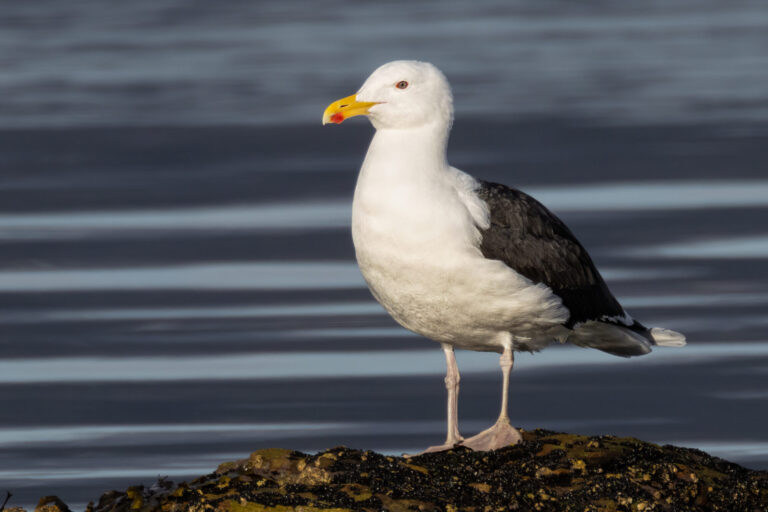
Great black-backed gull. Photo: CC BY 4.0 Rolv Lundheim
If the gull has a black back, it is either a great black-backed gull or a lesser black-backed gull. The next step is to check the colour of the feet. Pink feet means it’s a great black-backed gull. Yellow feet means it’s a lesser black-backed gull.
However, if the feet are pink, the back grey and the wingtips black and white, it’s a herring gull. The somewhat smaller common gull has the same markings, but its feet are yellow-green.
- You might also like: Darwin had Galapagos finches. Norway has… house sparrows?
Build a knowledge base
“If you’re familiar with a few species, it’s easier to see how an unknown species differs from the ones you know. Then you can check in a bird book or on the internet. If you’ve learned the important distinguishing characteristics, it will be easier to compare with gull species you haven’t learned yet,” Ringsby said.
The four large gull species all have a red spot on the lower beak – which the smaller ones lack. Size is also important.
“If you’re in the city centre with seagulls in the square and a much larger gull suddenly appears and has a black back and pink legs, you can conclude that it’s a great black-backed gull. If the back is grey, and the legs are pink, it’s most likely a herring gull. This is how you build a base of species you recognize. That makes it easier to add new ones,” Ringsby said.
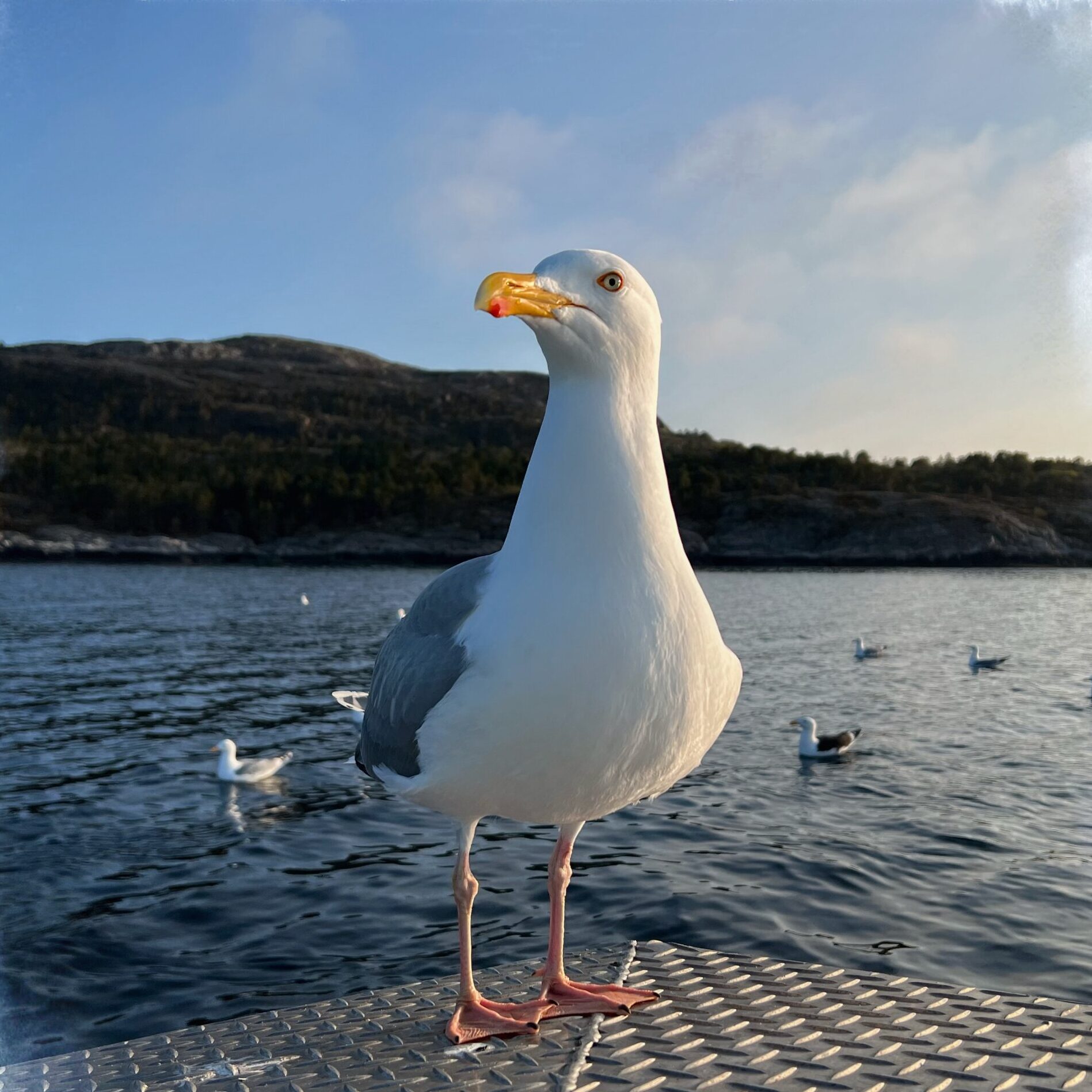
A typical European herring gull, with pink legs, yellow eyes, and a red spot on the lower bill. Photo: Sølvi W. Normannsen
Only one has short, black feet
Black-legged kittiwakes are becoming more and more common in Norway’s coastal towns, from Møre and northward. From a distance, kittiwakes are quite similar to the common gull, but have short and completely black feet. The wingtips are also black, without any white. But black-headed gulls are perhaps the easiest to recognize of all.
“It has a brownish-black head, hence the name, so it is easy to recognize. At least in its adult summer plumage,” Herfindal said.
App help and health benefits
Both researchers recommend the seagull guide (in Norwegian) from the Norwegian Institute for Nature Research, NINA. The Merlin app is used by professionals and amateurs alike and is good at identifying birdsong.

Professor Thor Harald Ringsby. Department of Biology. Photo: NTNU
“Open the app, put it on listen, and then the picture of the bird singing comes up. If there are 10-12 species singing at the same time, the app marks which of them is singing at any given time. It’s very useful, and will also detect the difference between seagulls. But you have to take the results with a pinch of salt. It’s not infallible,” said Ringsby, who believes that developing an interest in birds is good for your health.
“Birdsong has a calming effect on our mental health and can be good medicine in an otherwise hectic everyday life,” he says.
Seagull noise – or the sound of spring
Common gulls were once abundant on the Norwegian coast. Now they are almost gone from some areas, while city populations have grown. These gulls nest on rooftops, and walk the streets in perpetual search for food. Some residents believe that there are too many. They can steal your food, or attack from the air to protect chicks that have jumped out of the nest before they can fly.
And they can be very loud during the breeding season.
“For others, the sound of seagulls is also the sound of spring, and a sign that nature continues to take its course, despite all human interference,” says Herfindal.
- You might also like: Skinnier but resilient geese thriving in the High Arctic
Spring in the field, Africa in winter
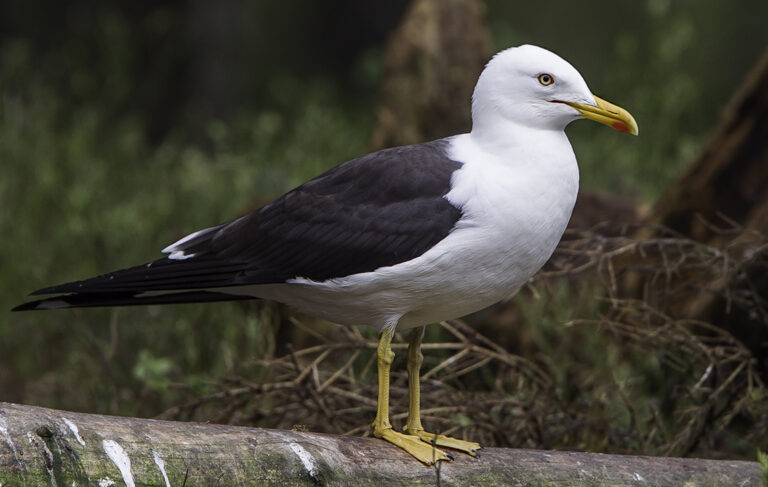
Lesser black-backed gull. Photo: CC BY 4.0 Per Harald Olsen
The large flocks of birds you may have seen in newly ploughed fields in the spring are often lesser black-backed gulls. In winter, the seagull population thins. The lesser black-backed gull migrates the furthest, some as far as Africa. Kittiwakes spend the winter on the open sea over large parts of the North Atlantic, and rarely come ashore. The gulls you see in the city in winter are often herring gulls.
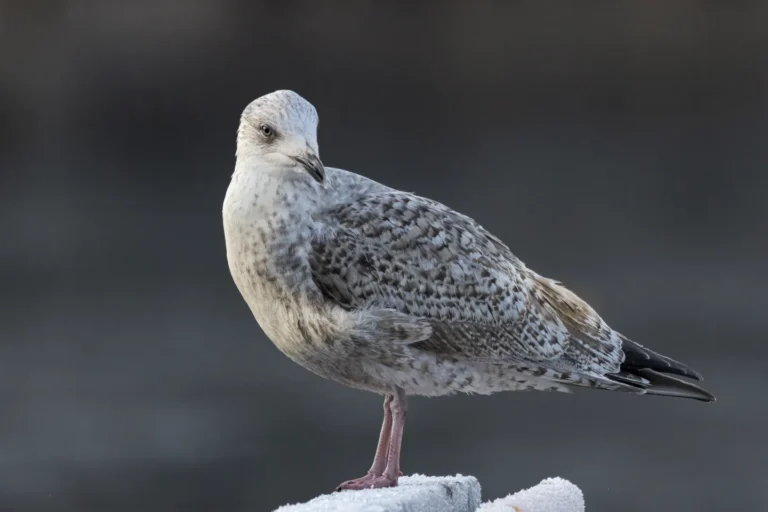
A young European herring gull. Photo: CC BY 4.0 Rolv Lundheim
A few herring gulls and great black-backed gulls remain along the coast. Common gulls and black-headed gulls migrate south to the North Sea areas around Denmark, the Netherlands and the United Kingdom.
Seagulls take a few years before they develop their adult plumage. This can make it a little difficult to tell them apart, even for seasoned bird watchers.
4 out of 8 gulls are endangered
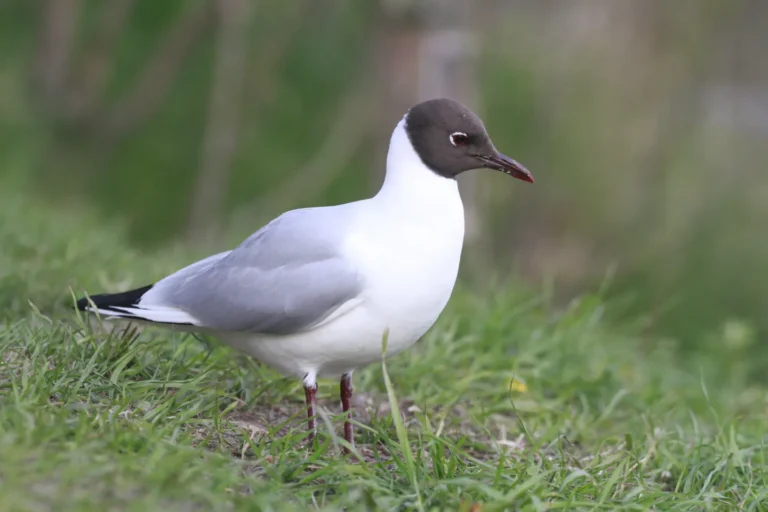
Black-headed gull. Photo: CC BY 4.0 Jan Over Gjershaug
Four of these 8 gulls are on the Red ListThe Red List is a list of species or nature types with an assessment of their risk of dying out or disappearing from an area. Source: Store Norske Leksikon.. They are Herring gull, Black-legged kittiwake, Black-headed gull and Common gull. Gull species have been in decline for many decades because there’s less food in the ocean. In recent years, several
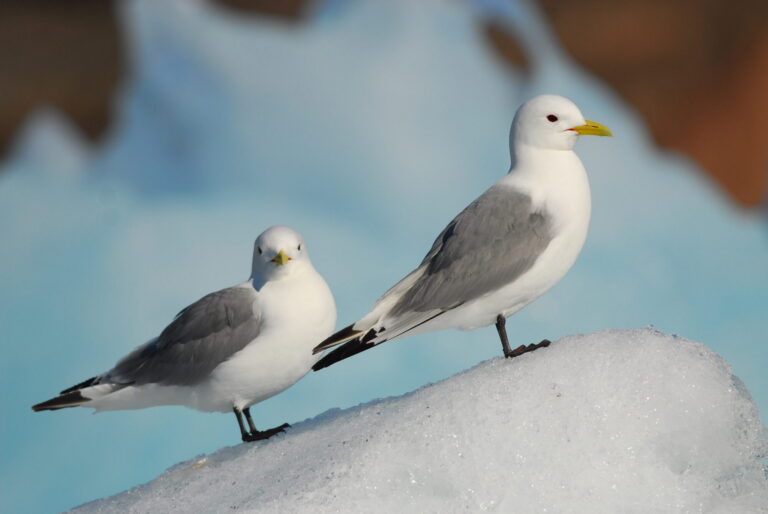
Black-legged kittiwake. Photo: CC BY 4.0 Sebastien Descamps
outbreaks of bird flu have affected the kittiwake population in particular.
Several species have lived alongside humans on the coast for thousands of years, and have benefited from fish scraps, for example.
“One of the reasons for the decline is probably less access to food, as fisheries became more industrialized and production moved from the coast and on board large production vessels. There is also generally less food in the sea,” Herfindal said.
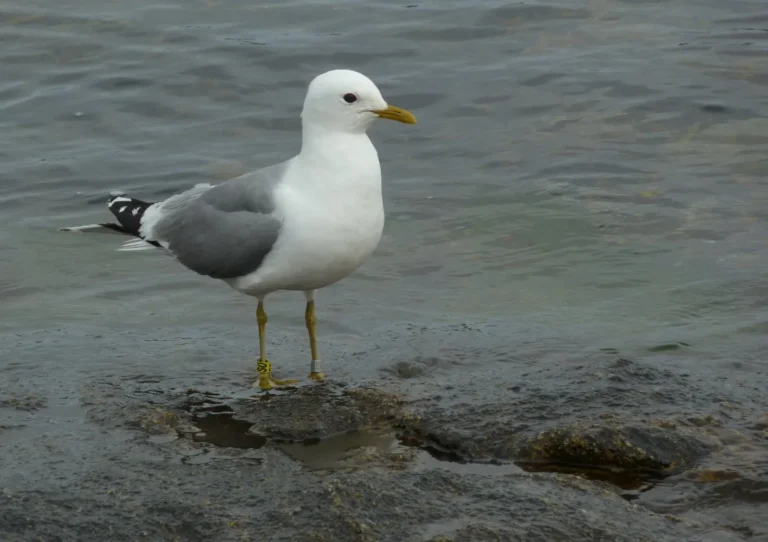
Common gull. Photo: CC BY 4.0 Tycho Anker-Nilssen
The American mink, which is an alien species in Norway, has also made the nesting sites along the Norwegian coast dangerous, Herfindal said.
But is it really so dangerous that a species moves – and adapts to an urban life – as long as it survives?
Stress vs. security

Ivar Herfindal, a researcher at the Department of Biology and the Gjærevoll Centre. Photo: Aleksander Båtnes, NTNU
Herfindal, who is a researcher in applied ecology, doesn’t think the gulls like being close to people that much.
“Living in the city is stressful for them and can set them up for lots of disturbances, but cities also give them the most important thing: Food and safe nesting sites,” he said.
The Gjærevoll Centre will lead one of four new centres for sustainable land and nature use. At the Centre of Biodiversity Forecasting, Herfindal and his colleagues will work on scenarios for how the way we use and manage land affects species and diversity.
“Species will react differently to changes in available land. If we add, for example, climate change and pollution on top, it quickly can have very negative consequences for the vast majority of our species,” Herfindal said.
“Important to be generous”
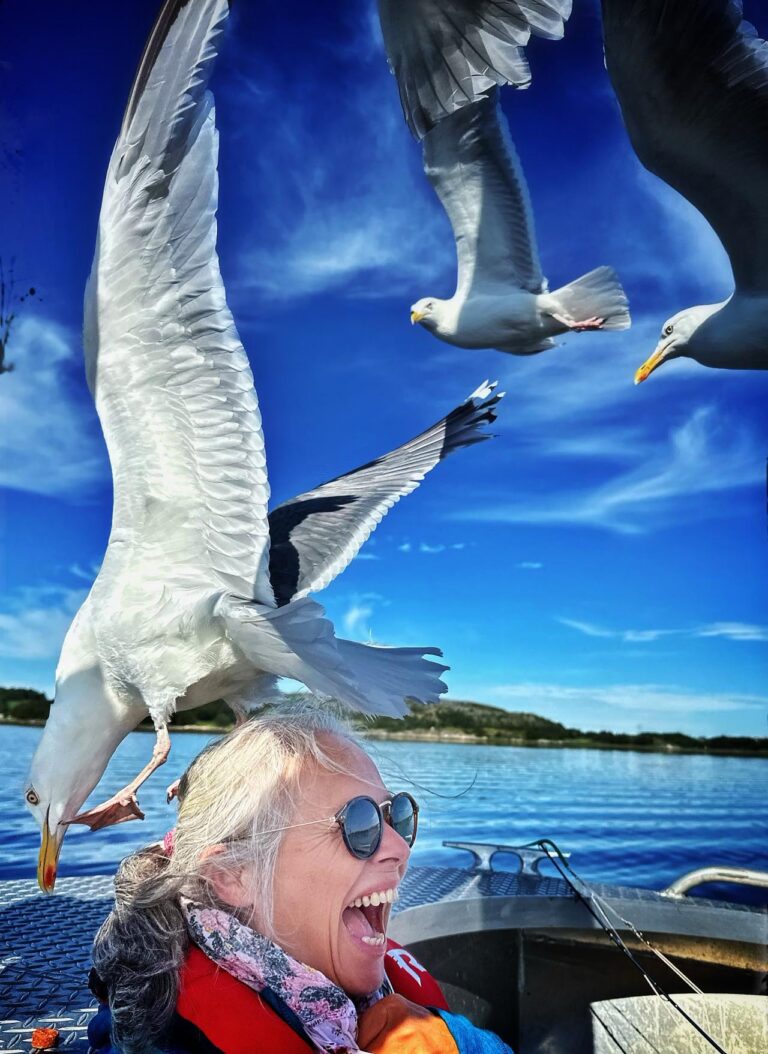
Reporter meets gull. Photo: Private
Thor Harald Ringsby believes it is important to be willing to share. People should think of the city as just as much a habitat and home for the birds and animals that choose to live here, as it is for us humans. We must find ways to promote rich biodiversity in parks, green areas and in the city in general, he said.
“Throughout history, we have exploited nature only for our own good. In the future, it is important that we shift our values by acknowledging that we are part of the same ecosystem and facilitate good ways of living together,” he said.
House sparrow also provides seagull knowledge
Ringsby has been involved in NTNU’s house sparrow project since its inception in 1993. The researchers are studying a total of 18 populations of house sparrows on islands along the Helgeland coast. They investigate fluctuations in populations over time by looking at what affects fertility and dispersal patterns, as well as changes in genetic variation and evolutionary processes.
- You might also like: House sparrows in northern Norway can help us save other endangered animals
The house sparrow population in Helgeland is naturally split up between different islands. What happens to this population has a lot in common with what happens to endangered species when undeveloped natural areas are bisected by roads or other infrastructure, or agriculture, forestry and urbanization. Nature loses out when areas that were previously connected become like islands in the landscape.
“Much of what is happening with the decline in gull populations can be understood through the knowledge we have gained through the house sparrow project,” Ringsby said.
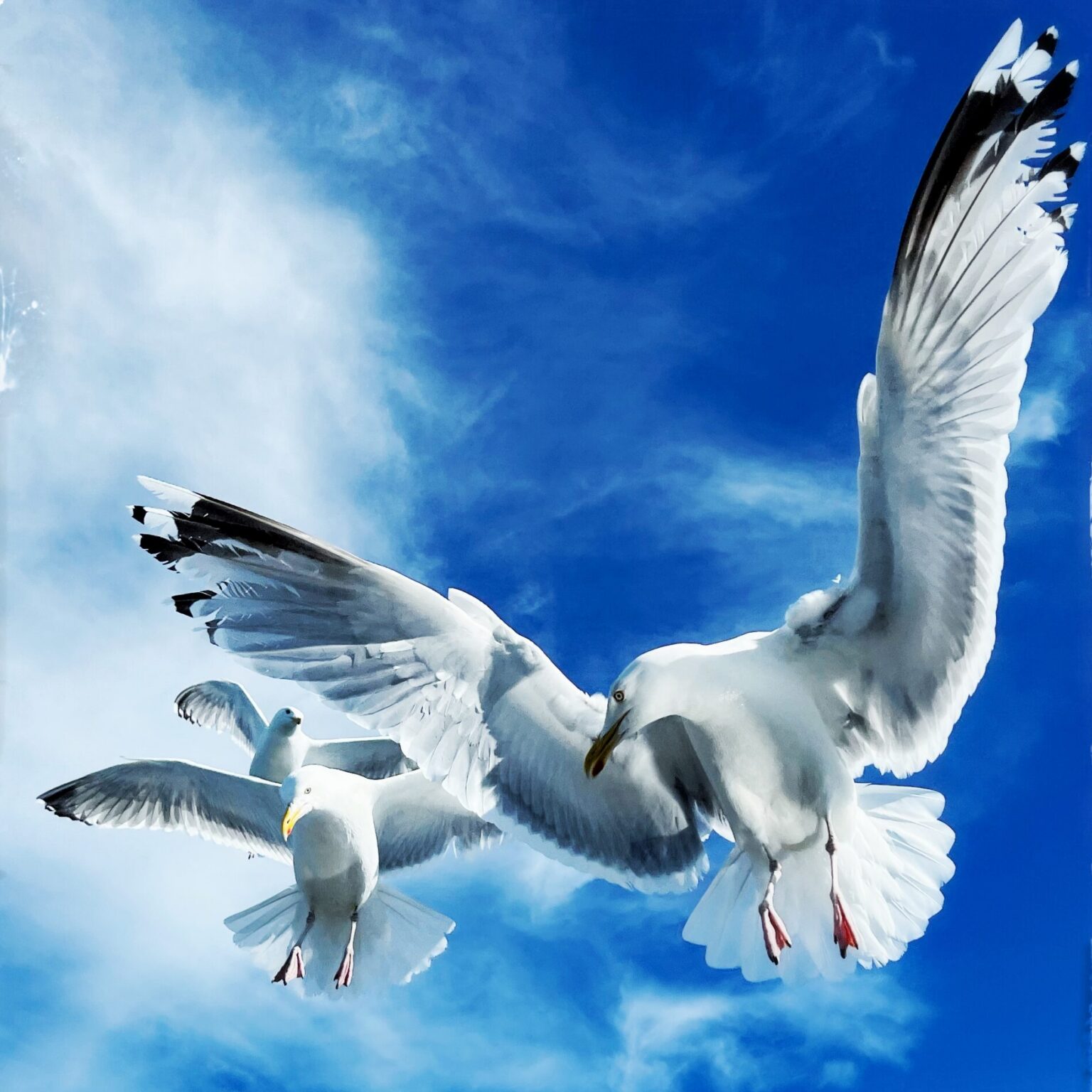
European herring gulls. Photo: Sølvi W. Normannsen