Why do we care when famous figures die?
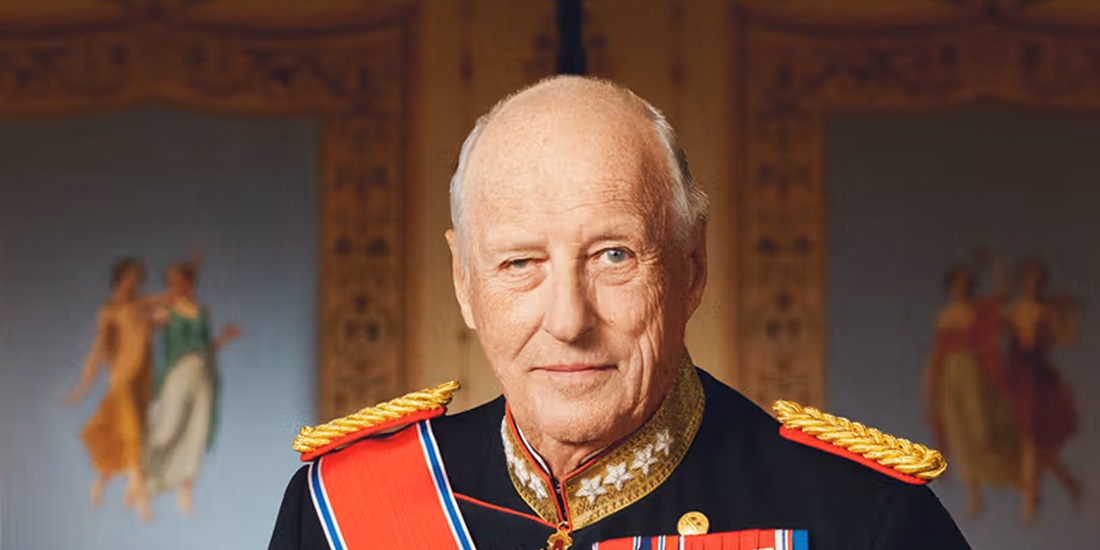
How can the death of a stranger affect us? And why do we care so much about King Harald?
Even before King Harald died, people gathered outside the Royal Palace to lay flowers. Many were saddened, even though the vast majority had never spoken to the King.
Why do we react this way to the death of people we don’t know personally?
“Obviously, we grieve when people we actually know die. But most of us didn’t really know the King. These are what we call ‘parasocial’ relationships,” says social anthropologist Håkon Fyhn at NTNU.
Such relationships are largely one-sided, and can be found among fans of pop stars, film actors and other celebrities. Thousands, perhaps millions, of people can feel as though they actually know someone, while the celebrity has no idea who any of them are.
“But these relationships can feel just as real to the individual as relationships with people they actually know. Psychologists are therefore trained to take these relationships seriously,” says Fyhn.
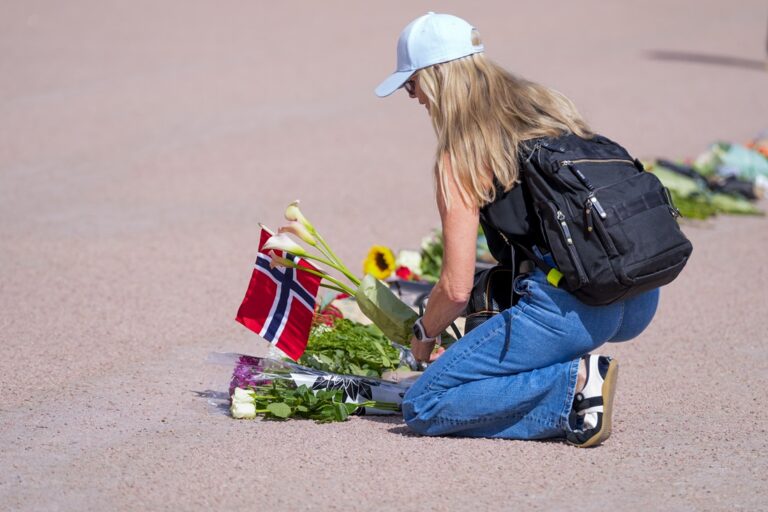
Even before the King died, many people began laying flowers outside the Royal Palace. Photo: Lise Åserud, NTB
Shared experience
Parasocial relationships are usually shared with many other people. Whereas when someone we actually know dies it is those closest to them who truly grieve, when a major public figure dies many people may share the feeling.
“It isn’t a personal type of grief which you are experiencing. A sense of community develops among those who are grieving, a sentiment shared by many,” says Fyhn.

- Håkon Fyhn. Photo: NTNU
This helps explain why so many people came to lay flowers outside the Royal Palace, in the final hours before the King’s passing, with thousands more visiting after he passed away on 28 August.
“Perhaps it’s something we don’t even think about in everyday life. If someone asks you who you have a relationship with, King Harald probably isn’t the first person who comes to mind,” says Fyhn.
But when something serious happens, you recognise the role that figure has had in your life.
Rituals help us move forward
Communities require ways to come to terms with the fallout from major incidents. Rituals, whether that means laying flowers or grieving together in other ways, fill this void.
Rituals surround many important events in our lives, such as baptisms, confirmations and weddings. The same is true of funerals.
“In a way, a funeral makes death real,” says Fyhn.
The process gives those grieving something tangible to relate to and provides an established path through through challenging circumstances.
Read also: Why do we cheer when our favourite athlete does well?
No one is an island
Anthropologists find such rituals in the vast majority of cultures. They point to something universal about being human.
“We often like to think of ourselves as individuals who exist independently of the people around us. But at the same time, we have relationships with those people, with the place where we live in. Even with the car we drive. The people and things around us become, in a sense, part of who we are,” explains Fyhn.
So, when someone with whom we have a relationship disappears from life as we know it, it is not easy to fully comprehend. We find ourselves wondering: What now?