Tiny marine organism stressed by warmer Arctic waters
As ocean temperatures continue to rise, one of the smallest but most important organisms may be starting to struggle.

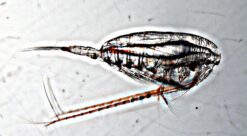
As ocean temperatures continue to rise, one of the smallest but most important organisms may be starting to struggle.
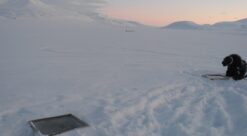
How will a warming Arctic affect plant growth on Svalbard? Researchers encased plant plots in a thick layer of ice during the winter and used little greenhouses to heat up those plots in the summer. The surprise? The plants that got the harshest treatment did just fine.
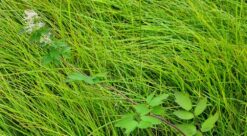
More than 2500 plant species have the potential to invade the Arctic at the expense of the species that belong there. Norway is one of the areas that is particularly at risk.
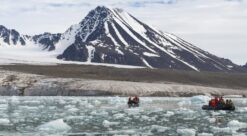
A new tool is helping researchers simulate erosion and climate change, turning data into action.
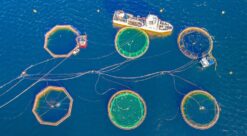
Environmental conditions on the seabed around fish farms generally improve the farther north you go in Norway.
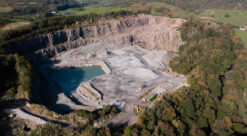
Norwegian municipalities are collecting more and more data on how what they do affects the natural world, but do not always know what to do with it. They wade in green facts, but continue to sacrifice the environment, colouring the landscapes grey.
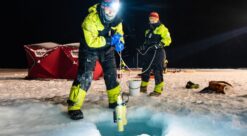
The ocean holds gigantic amounts of carbon, much more than in all land-based plants and soil. Scientists previously studied these carbon stocks in spring and summer. Now they have looked at what happens in winter.
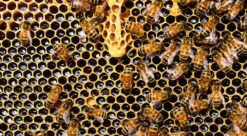
Bees do more than just pollinate plants. They are also nature’s own warning signal. Placing sensors in their hives allows researchers to see when the bees need help doing their job.
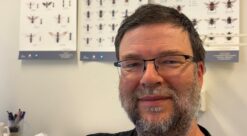
Norway is home to 212 different bee species. Or perhaps rather: the country used to have 212 species. Insect numbers are generally in decline, and some bees are either struggling or have already disappeared.
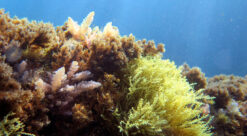
It can take up to 200 years for damaged marine environments to fully recover by just stopping the destruction and leaving the ecosystems to themselves. That is why we must implement active restoration interventions.
Autonomous robots that organize themselves are the next step in working in and studying the ocean.
Short strands of genetic material called microRNA have implications for human health – but they could also revolutionize species identification, and perhaps even allow monitoring of wildlife health. Here’s how they work and the potential they offer.
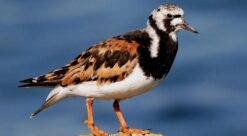
These man-made toxic substances are often referred to as ‘forever chemicals’. There are thousands of different variants, and researchers are finding more and more of them.

Almost four months after it left Earth in one of Elon Musk’s rockets, the small satellite HYPSO-2 is in full swing, monitoring coastal and ocean areas.
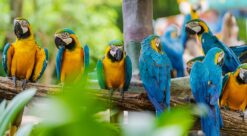
Two associate professors at NTNU have been awarded roughly NOK 43 million from the European Research Council to study molecular models and gene variations that can affect animal survival.

Companies can’t simply walk away from old oil and gas wells. They have to be capped in a way that protects the environment and prevents leaks. A new approach to today’s solution could be better for the environment and cheaper, too.
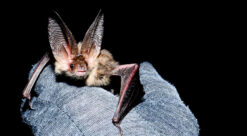
Bats hunt at night, navigating in the dark using echolocation to find insects and other food. During the winter, bats in Norway have to manage as best they can by hibernating, but until now, not much has been known about how they do this.
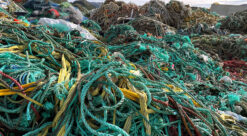
For the first time, researchers have investigated how ropes and fishing lines are handled by the Norwegian commercial fishing industry. The fishing fleet loses almost 400 tonnes of rope in Norwegian waters every year.
Research institutions from Norway and other countries have collected a great amount of data from the northern oceans in recent years. Many people want access to this information.
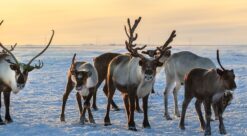
Unstable winters are making reindeer herding more difficult. The animals are also having trouble finding food on their own.
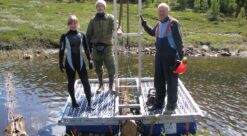
We think of trees as silent sentinels, watching as the world goes by and the ages pass. But what if you could interview them about what they have seen?
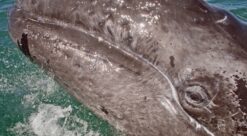
Several whale species disappeared from Europe long before whaling became a major industry. Two of the most common species are no longer found here, and one of them is almost extinct.
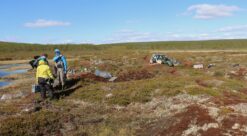
Ever wonder how climate researchers know what they know? 63 Degrees North journeys to 69.5 degrees North to find the answer to that exact question.

NTNU Amos is an expansive ocean research and innovation community that’s composed of both highly honed specialist expertise and an incredibly broad scope of knowledge. It also adheres to a popular Norwegian football strategy: Develop talents by allowing them to do what they do best – and playing to each other’s strengths.