Is your child getting enough sleep?
Children who get the least sleep have the greatest risk of developing mental health issues.


Children who get the least sleep have the greatest risk of developing mental health issues.
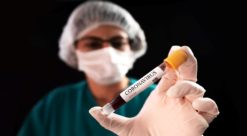
There’s no effective treatment for the coronavirus that causes COVID-19, which was first detected in Wuhan, China. Developing new drugs and vaccines can take years. Existing drugs offer a possible quick response to the potential pandemic.
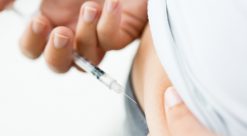
The FINDRISC questionnaire has been used extensively to predict a person’s degree of risk for getting type 2 diabetes, but new findings show that it does not adequately identify the most vulnerable individuals.

Nearly 40 million people were living with HIV in 2017, the UN says, with just over half taking antiretroviral therapy. These drugs have cut AIDS-related deaths by more than half since the 2004 peak, but the disease cannot be cured. A new mechanism uncovered by a Norwegian research group could improve the chances of developing one.
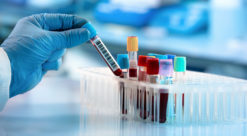
An analysis of 5 000 proteins from a blood sample is providing valuable information on a variety of diseases we might get or be at risk for. “Sensational” is the word from Christian Jonasson at the HUNT Research Centre about the US-British-Norwegian study.

Staying fit or improving fitness over time should be a goal for anyone who wants to reduce the likelihood of getting dementia.

Can weightlessness stop cancer from growing? One of the nine research projects that has been given the go-ahead for the new China Space Station scheduled for 2022 is designed to answer this exact question.
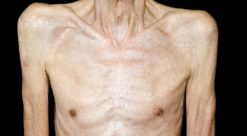
A solid tumour can cause muscle cells in the body to self-destruct. Many cancer patients die from the consequences. Now researchers are discovering more about how cancer cells in a tumour can take control of muscle cell wasting and trigger a chronic, serious condition.
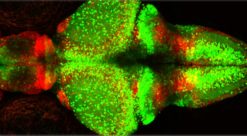
What happens during an epileptic seizure? A recent study suggests that seizures occur after certain defence cells in the brain break down.

Our understanding of how our psyche affects our immune system – and vice versa – has been limited. Until now.

The higher a person’s BMI, the greater the chance of getting psoriasis. But researchers are still uncertain as to why.

Data from 1.2 million people reveal how tobacco and alcohol use may be linked to your genes and to various diseases.

Our immune systems are working overtime this time of year. Knowing that a bunch of dedicated immune cells are willing to explode themselves to inform other cells about the danger may offer a bit of consolation.
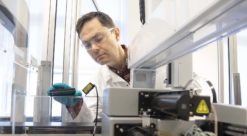
An enzyme that normally repairs damaged DNA may be the key to a new treatment for inflammatory diseases.

Doctors are happy to give advice to people at risk of developing type 2 diabetes. But patients often end up with diabetes anyway.
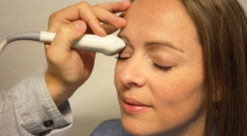
A new study confirms the efficacy of a new diagnostic tool that utilises ultrasound to measure intracranial pressure following accidents. The technology will now be provided with artificial intelligence so that ambulance personnel can carry out examinations at accident scenes.

Obesity is known to increase the risk of heart failure, but new results indicate that physical activity can reduce the risk.
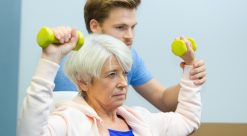
Increased physical activity, not weight loss, gives individuals with coronary heart disease a longer lease on life, according to a new study conducted at NTNU.

No, this question isn’t only for people who’ve smoked a lot. Seven factors, including two new ones, can predict whether you have a high risk of developing lung cancer.
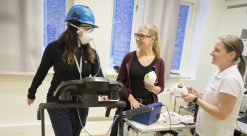
The smelting industry needs to promote the availability of dust masks of more than one size, according to the research scientists behind a recent working environment study at Norwegian smelting plants.

For children who need help from so-called welfare technology in order to manage their day-to-day lives, it is important that the assistance they get is invisible to others. Many obtain effective help from an app installed on their phones.

A new treatment is being tested at an emergency psychiatric centre in Trondheim, where the windows and lamps are equipped with orange filters.
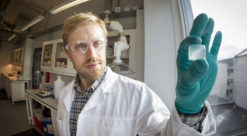
A Norwegian-Swiss research team has succeeded in growing cartilage tissue cells using algae. Moreover, the new cells can reduce joint inflammation. This news gives hope for people suffering from arthrosis, also known as osteoarthritis.
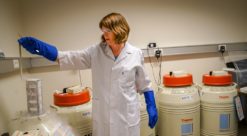
Many patients are treated for prostate cancer unnecessarily. Norwegian researchers are working to reduce overtreatment, while at the same time detecting the sickest patients. Now they’re receiving EU support.