Plastics leach toxins
Plastic contains thousands of chemicals. Until now, we haven’t known if these leach into the environment to any great extent. Now we know that they do.


Plastic contains thousands of chemicals. Until now, we haven’t known if these leach into the environment to any great extent. Now we know that they do.

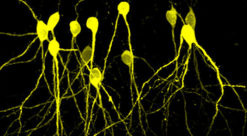
Researchers have gained a first insight into how the brain structures higher-level information. By extracting and analysing data from a neural network of grid cells, they found that the collective neural activity is shaped like the surface of a doughnut. The study, from NTNU’s Kavli Institute for Systems Neuroscience and collaborators, is published in Nature.
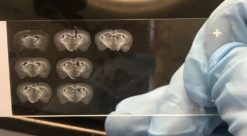
New findings show how experiments with animals can provide helpful information to understand Alzheimer’s and learn how we can better fight the disease.
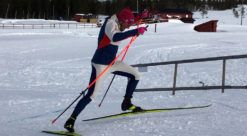
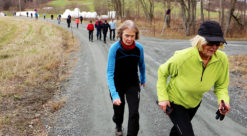
Cross-country skiers push themselves to their performance limits in competition. Yet most of their training takes place at low intensity. How does that work?

Depression is one of the most common mental disorders in adolescence and is found in children as young as kindergarten age. Unfortunately, the disorder often lasts into adulthood, but an NTNU study gives cause for optimism.

Patients with morbid obesity experienced improvement in their quality of life and distinctly fewer episodes of overeating after ten weeks with a new treatment method developed at NTNU.
“I’m too old to train! It’s too late to start now.” Think again!

Researchers at NTNU have surveyed how a mother’s immune system changes during the course of pregnancy. This knowledge can help detect disease and complications, and give the foetus a better start in life.
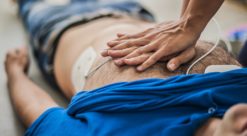
Researchers are on the trail of a new method to protect against heart damage after cancer treatment.
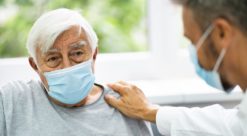
The threshold for admitting patients to the hospital varies greatly between emergency physicians. The doctors most willing to admit patients refer almost twice as many elderly patients as the most restrictive physicians.

Countless potentially useful enzymes are hidden all around us. NTNU researchers have developed a new method that could help us find them.
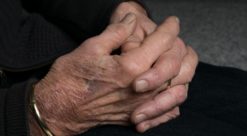
Rheumatoid arthritis (RA) is both bothersome and painful. Less well known is the risk of premature death, because the disease can contribute to a less healthy lifestyle.

You may think that they’re random movements, but they’re not: The way you use your eyes when perceiving the world around you reveals something significant about you and how you engage with the world. It can even be a diagnostic of brain disease.
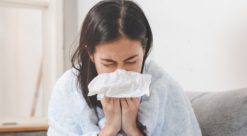
Flu season might be much worse than usual because we have lost a lot of herd immunity. Pandemic measures are part of the reason. Hand washing and vaccination are still important.
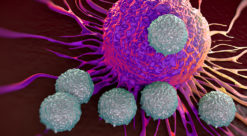
Even the toughest “soldiers” in our immune system are not tenacious enough to knock out cancerous tumours. NTNU professor Øyvind Halaas aims to do something about that.
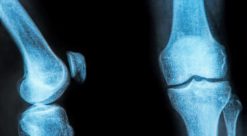
After conducting the largest study on osteoarthritis in the world, researchers are now on track to develop a medicine that can slow it down.

Many people have been robbed of a very basic need during the pandemic: physical contact. Human touch triggers hormones like serotonin, dopamine and oxytocin. Hormones that make us feel good flourish when we touch each other.
An assessment tool can make it easier for healthcare professionals to identify pain in residents with dementia. The right treatment can improve residents’ quality of life.
For the first time, raw data on Norwegian coronavirus genes will be freely available through the open gene bank ENA.
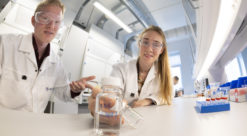
These research scientists are studying Nature’s own nanomaterials – applying tools and methods that are normally used for something quite different. Their work has provided us with knowledge that may revolutionise everything from medical treatments to building constructions.
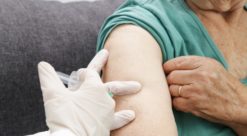
Several commonly prescribed medications used for completely different illnesses can enhance or reduce the activity of the influenza virus.
The University of Bergen and the Kavli Institute at NTNU are joining forces on brain research with support from the Trond Mohn Foundation.

The fight against COVID-19 is far from over. A new combination of drugs could help save lives.
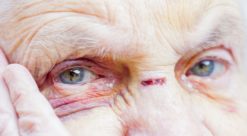
A majority of employees in Norwegian nursing homes have committed abuse or neglect of the elderly, a comprehensive report shows.