MazeMap navigates the world
The map app started by getting students where they needed to go in Trondheim. Now MazeMap is showing people the way on five continents.

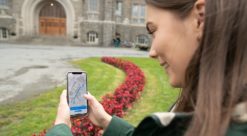
The map app started by getting students where they needed to go in Trondheim. Now MazeMap is showing people the way on five continents.

When mothers lose weight, their children slim down too. When mothers are less active, children grow bigger. Dad’s choices appear to play less of a role.
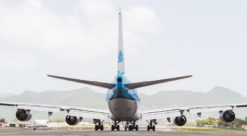
As much as 20 per cent of jet fuel burned in Norway in 2030 could be biofuel made from the country’s forest residues. This alone could cut greenhouse gas emissions from Norway’s aviation sector by 17 per cent.
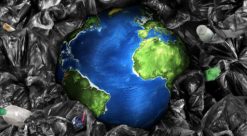
Our carbon emissions are much higher than are needed for us to have happy, healthy lives. But cutting these emissions requires us to think differently about how we measure growth and progress.
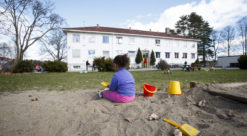
When someone’s life is suddenly turned upside down, a volunteer’s helping hand can mean a lot.

Boys and young men who are obsessed with building muscle have more mental health issues than researchers and healthcare professionals have previously recognized.

Food demand is growing as people get bigger. Feeding a population of 9 billion in 2050 will require much more food than previously calculated.
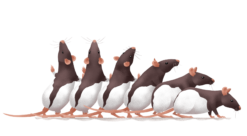
Even the most basic moves in life, like getting out of bed in the morning, require far more coordination than one might think. Neuroscientists may have just uncovered key aspects of how the brain controls body posture during these kinds of everyday movements.
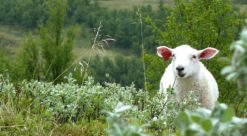
Livestock grazing affects the landscape. What effects does it have on the vegetation?
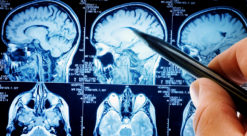
For the first time – in Norway and internationally – researchers have looked at the direct correlation between brain size and cancer risk in adults.

NTNU researchers wanted to see if labelling products and putting up signs in stores would encourage more consumers to buy sustainable seafood. The results showed that customers bought significantly more seafood generally – including options that were not sustainably harvested.
We leave behind digital traces all the time. This information reveals a lot about people. But it won’t help us catch terrorists, one researcher says.

Doctors are happy to give advice to people at risk of developing type 2 diabetes. But patients often end up with diabetes anyway.
Components are falling into place for the technology of the future. They can provide smaller, faster and cheaper electronics with minimal energy consumption.
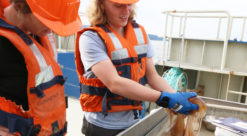
The oceans are teeming with ever-increasing numbers of jellyfish. These squishy sea creatures can ruin fishing and discourage tourists. But one research group wants to turn this nuisance into pay dirt.
SINTEF and NTNU are working closely together in Brussels. The rewards for Norwegian businesses can be great, both in terms of innovation and revenues.

Inmates are issued a starter pack of prison clothes upon arrival. Many would rather use their own clothes as a way to reclaim some power for themselves.

The countries of the world still need to cut their carbon dioxide emissions to reach the Paris Agreement’s climate targets. Relying on tree planting and alternative technological solutions such as geoengineering will not make enough of a difference.

Some smokers have genes that predispose them to heavier smoking. Researchers looked at whether those same genes might trigger heavier drinking — and it turns out, they don’t.

The amount of omega-3 fatty acids in farmed salmon is dropping. But a reasonable and affordable solution may make salmon even healthier to eat.
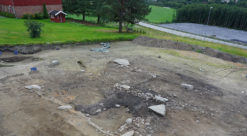
Archaeologists at NTNU have discovered the remains of a Viking house from the early Middle Ages. It is a “very rare find,” says project manager Merete Moe Henriksen.

The summer of 2018 has been one of the hottest and driest in recent times in large parts of Norway and Europe. How does weather affect the exercise habits of the elderly? A study of 1200 older adults’ activity level linked to weather data shows that warmer, dry weather is the most inviting.

Church art from the Middle Ages reflects the dramatic societal changes that were underway during this period. Artists changed the way they depicted Christ from a regal figure with a crown of gold to a suffering Christ with a crown of thorns.
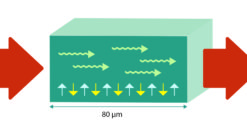
Should you care that scientists can control a baffling current? Their research results could someday affect your daily living.