Instagram makes it easier to exercise
People who followed researchers’ motivational posts on Instagram got more enjoyment out of their training sessions. Just a couple of minutes over the course of four weeks was enough to make a difference.

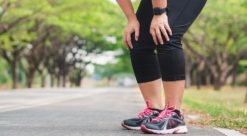
People who followed researchers’ motivational posts on Instagram got more enjoyment out of their training sessions. Just a couple of minutes over the course of four weeks was enough to make a difference.
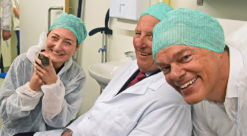
Developing an effective treatment for Alzheimer’s disease is the long-term goal of a new national research centre in Norway. Nobel laureates Edvard Moser and May-Britt Moser will lead the K. G. Jebsen Centre for Alzheimer’s Disease, aimed at determining how Alzheimer’s disease arises in the brain and its early stages of development.

Children who get the least sleep have the greatest risk of developing mental health issues.
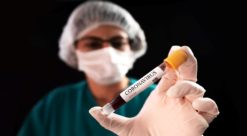
There’s no effective treatment for the coronavirus that causes COVID-19, which was first detected in Wuhan, China. Developing new drugs and vaccines can take years. Existing drugs offer a possible quick response to the potential pandemic.

As nations prepare to mitigate climate change, decision makers need to understand how land use fits into the climate equation. A new study looked at land use changes over two decades and found a major shift from cropland to forests. That change made western Europe cooler.

Chinese authorities are investing heavily in green energy. The country has become a world leader in solar and wind power. This rapid expansion was made possible by the approach taken by authorities.
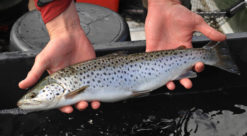
Sea trout populations have declined sharply. Researchers have studied the life of sea trout by means of acoustic telemetry tags and listening stations. Now they know more about what we need to do to protect the sea trout population.
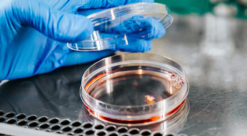
Even the best chef can make mistakes – even when using the recipes (genes) from the “cookbook of life” — DNA. A new discovery as to how cells repair their DNA may have implications for the future drug development.
The concept of sustainability has long been incorporated into our collective vocabulary. The word is used in many contexts, including in the PR industry. If we are going to find a way out of the climate and environmental crisis, maybe it should be replaced?
Robot technology is flourishing in multiple sectors of society, including the retail, health care, industry and education sectors. However, are the perspectives of minority groups, such as the LGBTQ+ community, considered in robot and AI development?
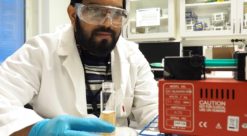
If your drinking water is contaminated, you’d no doubt like to find out where the pollution comes from. Researchers are working to make this easier.

From the press coverage, you might expect only wasted time and projects built over budget when the government invests in roads, buildings and other large projects. But the state — in Norway, anyway — doesn’t do a bad job after all.
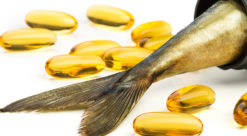
Omega-3 fatty acids are essential components of healthy diets for both humans and fish. The dramatic increase in fish farming worldwide has boosted the demand for omega-3 fatty acids so much that today’s supply can’t meet demand. Reducing waste and finding new sources can help.

Research from NTNU is now being integrated into millions of smartwatches worldwide. You work on a single training goal, and the fitness tracker tells you if you reach that goal. It may be the key to staying healthy.
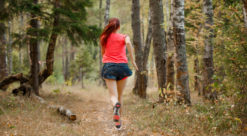
NTNU’s Fitness Calculator was developed in 2013. It was able to reveal your body’s real age and how long you could expect to live. Now it turns out that it can tell you much more about your health.

Do you have poor motor skills or struggle to read, write or solve math problems? Maybe it’s really because of how your brain interprets what it sees.
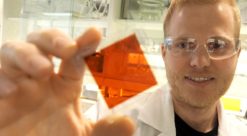
Organic solar cells are usually less effective than silicon solar cells. But there is still a market for them – and they’re beautiful and exciting.
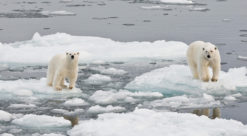
A group of polar bear researchers wants you to do more than worry about the fate of these beautiful animals. They’ve calculated how much summer sea ice is melted per metric tonne of CO2 emissions. Then you can decide if the flight you’re planning to take is worth destroying polar bear habitat.
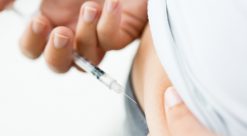
The FINDRISC questionnaire has been used extensively to predict a person’s degree of risk for getting type 2 diabetes, but new findings show that it does not adequately identify the most vulnerable individuals.

As forest areas shrink and become fragmented, many tree species face problems. They often rely on animals that can no longer disperse their seeds effectively.
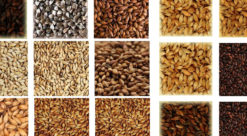
The distinctly Norwegian beer-brewing yeast kveik reduces fermentation time drastically. That’s a huge advantage, according to NTNU PhD candidate Christian Schulz.

The world’s transportation network is constantly growing. “Green asphalt” and sustainable bus transportation will ease the environmental impact of future transport routes.
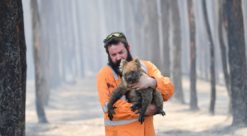
Bushfires are a normal part of the cycle of nature in Australia. But not like this. And it is going to get worse.

Nearly 40 million people were living with HIV in 2017, the UN says, with just over half taking antiretroviral therapy. These drugs have cut AIDS-related deaths by more than half since the 2004 peak, but the disease cannot be cured. A new mechanism uncovered by a Norwegian research group could improve the chances of developing one.