Losing ground in biodiversity hotspots worldwide
Agriculture is eating into areas that are important in protecting some of the most biologically diverse places on the planet. Most of this new agricultural land is being used to grow cattle feed.

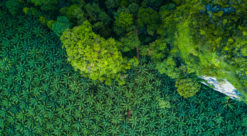
Agriculture is eating into areas that are important in protecting some of the most biologically diverse places on the planet. Most of this new agricultural land is being used to grow cattle feed.
From 1 July, scientists from 14 institutions in six countries will be examining the opportunities and risks of ocean-based technologies for negative emissions.
Low oil prices have fueled the debate about which industries Norway should develop and live on in the future. In the government’s revised national budget, the extraction of seabed minerals emerges as a clear investment area.
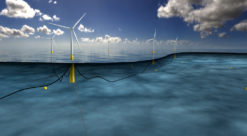
Governments across the globe are funding record-breaking crisis packages to cope with the economic fallout from the coronavirus pandemic. Is this the time to fund greener, more climate-friendly industries and investments?
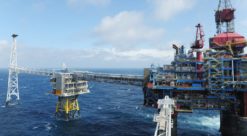
Humankind will need to harness carbon capture and storage technologies to help keep global warming to 2 degrees C or less. New research shows that there’s plenty of room to store captured CO2 — in offshore geologic rock formations.
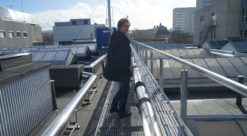
When scientists carry out experiments to investigate safe and efficient CO2 transport on the roof of the thermal power engineering laboratories at Trondheim, Norway, the noise they make will sound like a jet engine.
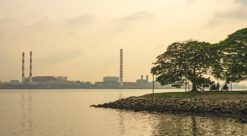
Reducing the level of CO2 in the atmosphere will probably require carbon capture. A surprising substance just might be the ticket.
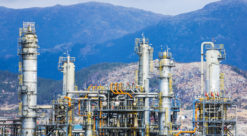
Why is there so much talk about storing CO2 underground? Doesn’t it cost more than it’s worth? Here we provide the research scientists’ answers and explanations of why CCS is climate technology that we are completely dependent on. And yes, this can be performed in a safe manner.

Combatting global warming will require major changes in land use, a new climate change report says. One important change could be decreasing the amount of land used to produce livestock — which means that people would have to eat less meat.
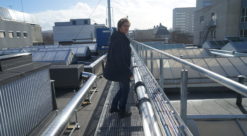
When energy researchers carry out experiments to investigate safe and efficient CO2 transport on the roof of the thermal power engineering laboratories at Gløshaugen, Trondheim, the noise they make will be like a jet engine.
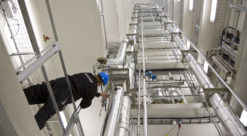
According to a new report, many years of research effort have resulted in significant reductions in the cost of full-scale carbon capture and storage.

Cement manufacture accounts for as much as seven per cent of global greenhouse gas emissions. A new hybrid technology makes it easier and less expensive to capture and purify CO2 produced by the industry. And the technology can be retrofitted to existing plants.

Livestock grazing affects the landscape. What effects does it have on the vegetation?

The countries of the world still need to cut their carbon dioxide emissions to reach the Paris Agreement’s climate targets. Relying on tree planting and alternative technological solutions such as geoengineering will not make enough of a difference.
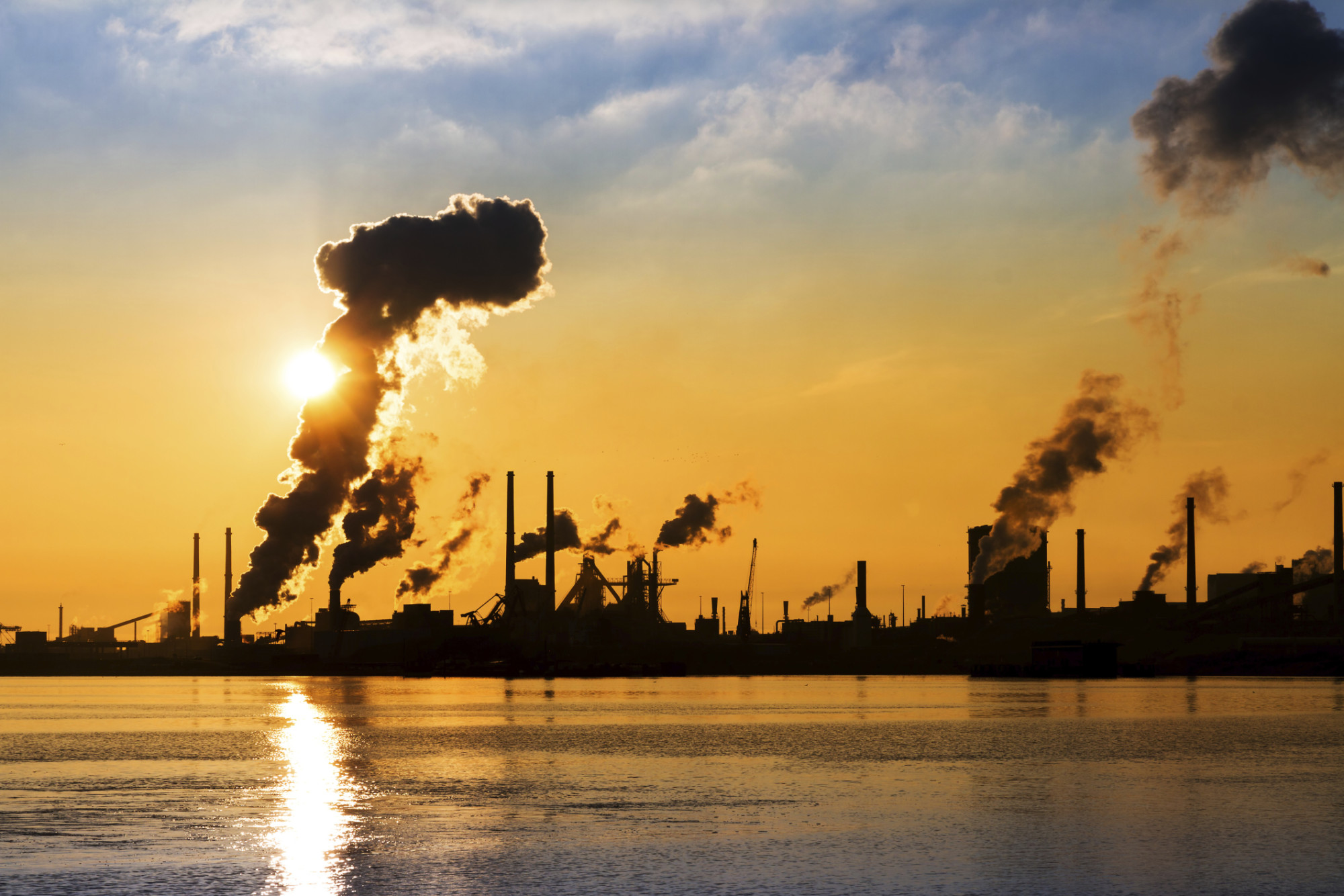
Capturing the greenhouse gas CO2 from industrial processes such as cement manufacture is a demanding and therefore expensive exercise. However, by introducing a renewable powered heat pump in the capture system, the energy required to capture CO2 is reduced by three quarters.
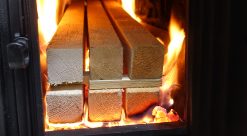
Fortunately, a new study indicates that heating with wood has a cooling effect.
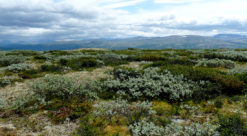
A remote field site in the Norwegian mountains is improving our understanding of carbon cycling in high-latitude alpine areas.
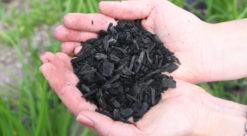
If 4,000 Norwegian farms and nurseries produced biochar and mixed it with the soil, we could halve CO2 emissions from the agricultural sector. This entirely natural approach also produces more robust and healthy plants.

SINTEF’s climate change ambassador Nils Røkke is on his way to Brussels looking forward to a new job and new assignments. He has been appointed as Chair of the European Energy Research Alliance (EERA). This in a world in which the threats posed by climate change are increasingly being portrayed as “fake news”.
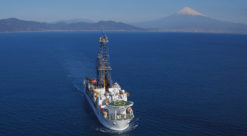
Japanese researchers have access to the largest scientific vessel ever constructed, one that has a 120 metre tall derrick capable of drilling to 7500 metres below the seafloor. They’re using it to hunt for life deep under the seafloor and explore for mineral deposits at the bottom of the ocean — topics that are of great interest to Norwegian researchers.

The world will not be able to reach the goals of the Paris Agreement without technology capable of capturing, transporting and storing CO2.
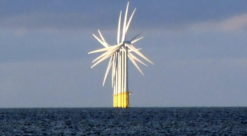
Policymakers, industry and government officials will have to invest US $2.5 trillion for electricity generation over the next 20 years. A new report presents the environmental costs and benefits linked to different renewable energy sources, and makes one thing abundantly clear: anything is better than coal.

There’s no time to waste in shifting to renewable energy sources if we are to avoid dangerous climate change. That’s especially true when it comes to bioenergy, which causes a temporary increase in CO2 levels that is later removed as replacement biostocks grow.

Beginning on 30 November, the nations of the world will gather in Paris to discuss a new global agreement on climate change. But what will it take to transform international political will into real action to curb global warming?