One step closer to quantum computing
NTNU researchers have made a discovery that can be key to the development of faster computers that use less energy.

NTNU researchers have made a discovery that can be key to the development of faster computers that use less energy.

Could human tissue samples be dried for storage, instead of being frozen? Researchers are looking at the salt cod industry for a potential tissue sample drying technology that could save money without sacrificing tissue quality.

The reindeer is a species that has done well for itself. There are nearly 3 million animals across large areas of the northernmost parts of the world. But where did Scandinavian reindeer actually come from?

They are the companies you’ve never heard of, but they help grease the wheels of international trade.
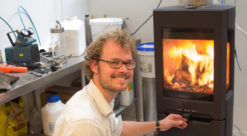
Have you ever used a water boiler to make yourself a cup of tea, but boiled enough water for two cups? Then you wasted energy. But good design can help.
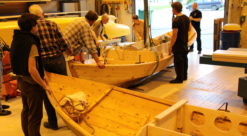
Are older, classical boat designs really better? High-tech testing in the Ship Towing Tank at the Norwegian Marine Technology Research Institute in Trondheim pits a 16th century classical rowboat against its newer, easier-to-build cousin.

The endangered African wild dog is increasingly coming into conflict with humans, partly because it is difficult to fence them out. But an unusual approach may offer hope.
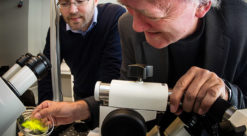
A conversation between two physicists in a Paris café led to the invention of a novel form of capsules that could be used in medicine, food, household products, cosmetics and paints. Their find has just been published in the latest issue of Nature Communications.

Researchers who study the prevalence of headaches and their causes worldwide need survey results that are comparable across nations and cultures. A new questionnaire should help solve the problem.

Greenhouse gas emissions from today will greatly affect our descendants for at least 1000 years.

Carbon capture and storage (CCS) is essential if the EU’s climate target is to be reached in a cost effective way. Extensive governmental support in the form of subsidies is necessary to support early implementation of this technology.