Learning more about preeclampsia
Preeclampsia doesn’t usually cause complications, but sometimes things go wrong. That’s why research in this field is so important.

Preeclampsia doesn’t usually cause complications, but sometimes things go wrong. That’s why research in this field is so important.

Have you had sex and then regretted it or felt rejected? You aren’t alone, and nothing’s wrong with you, either.
A new method for targeted delivery of cancer drugs in the body produces startling results. The method may soon be available for human use.
Potato blight changed Europe and America, and led to widespread deaths and mass emigration. And we’re not rid of it yet. But where did it come from?
A talking skeleton and luminous color boxes joined sound wave gizmos and a gene machine when students at NTNU recently strutted their stuff.

The study of tiny water droplets could result in more precise weather forecasts and climate models.
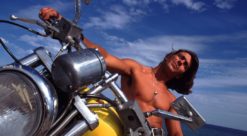
What woman doesn’t want to be with that sexy guy? But mom and sis think you should find a good, dependable man. And researchers know why.
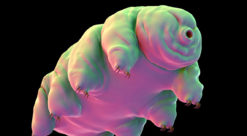
These animals can survive outer space conditions. They can provide new insights into cancer and what ageing does to us. But you’ve probably never heard of them before.
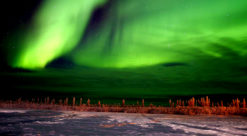
Up to 90 per cent of the world’s languages may disappear by the end of this century. Inuvialuktun is one of them.
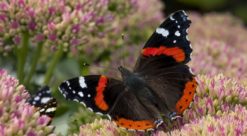
After just two years, researchers are halfway to their goal of creating DNA barcodes for Norwegian species.
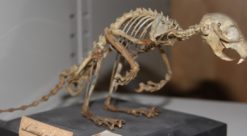
The NTNU University Museum’s squirrel from 1878 is a youngster compared to the 6600-year-old walrus that was recently dated after 50 years in storage.
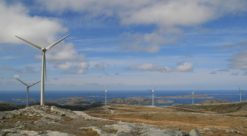
The transition to green energy hasn’t really begun, according to Associate Professor Espen Moe. Even though the 278 new wind turbines that will be built in central Norway are an important investment, it’s not nearly enough, he says.
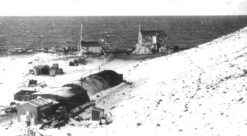
Norwegian researchers are working on mapping the geology of Jan Mayen Island, Norway’s most northwesterly territory. In the process, they also found ruins from Atlantic City, an American base from the Second World War.
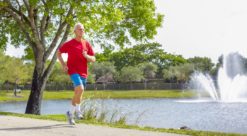
People who exercise regularly tend to be less depressed after a heart attack. Those who don’t work out yet can also find reason for optimism from the research.
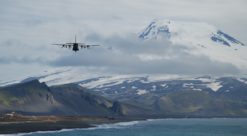
The isolated Norwegian island of Jan Mayen is located at the junction of two currents. Here, scientists can gain valuable insight into climate change. Take a coffee table tour by scrolling through the picture carousel.
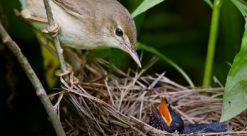
Cuckoo eggs come in a wide variety of colours and patterns, but why?
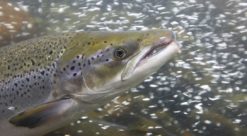
Professor Jon Olaf Olaussen says that increasing the aquaculture industry to five times its current production now is a crazy idea. He is calling for reducing one of Norway’s largest industries.
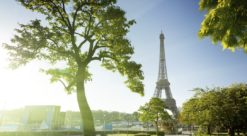
The climate summit in Paris ended with an agreement. But how do we ensure that the agreement is translated into action?

If everyone drove electric cars, there wouldn’t be enough power to charge them all when people got home in the afternoon. The solutions could affect your wallet.

Professor Dag Svanæs has lectured at Stanford University and is inspired by the philosophers Martin Heidegger and Maurice Merleau-Ponty. He has also had a furry mechanized tail that he still sometimes misses.

People in good shape are as prone to falling as others. But practicing specific balance tasks and simple exercises can help.

Are you sick of your phone’s battery dying after only a few hours? NTNU researchers are hard at work on improving the technology.
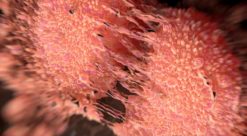
A new option for cancer treatment is just as effective as, but less toxic than similar drugs.
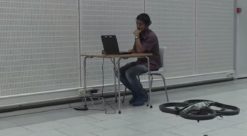
It took two students just two months to figure out how to control a drone using brainwaves.

There are six breeds of dogs that are illegal in Norway. According to dog training expert Ane Møller Gabrielsen, this ban is not supported by the science.

Some children are more aggressive than others when they have bad experiences. But they are also calmer when life is good.
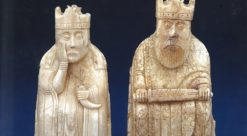
Norwegian school children may have learned that Norway was once a superpower. But was Norway really an empire?
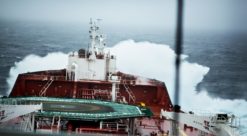
“Dynamic positioning” has been hailed as “the jewel in the crown” and Norway’s greatest engineering feat since World War II. But what is it?
“July 22 affected individuals and Norwegian society in a way we have not experienced since World War II,” writes Tor Einar Fagerland.
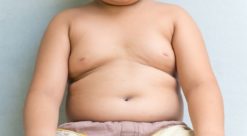
Some children gain weight faster than others. Eating habits seem to have far more to say than physical activity.
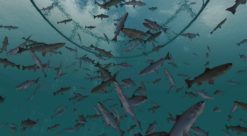
With the help of new 3-D technology, you can dive underwater and swim with farmed salmon.
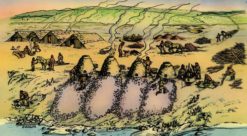
Two thousand years ago, Norway produced iron in significant quantities. Much of it was exported both southward and northward from Trøndelag in central Norway.