Parasites affect salmon in several ways
When salmon ingest parasites, the parasite may not be the only factor that determines the impact on the health of the fish.

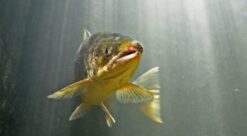
When salmon ingest parasites, the parasite may not be the only factor that determines the impact on the health of the fish.
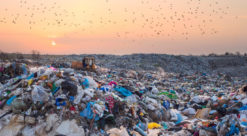
Using non-recyclable plastic waste as an alternative to coal may prevent huge volumes of plastic from being discarded into the oceans – and will also reduce CO2 emissions. This is the conclusion of a recently completed pilot project headed by SINTEF in Vietnam.

The idea behind batteries is to make the planet greener, but they all start their lives as energy-demanding environmental liabilities. Research scientists at SINTEF have succeeded in making batteries cheaper and simpler using a process that requires much less energy consumption.

Electrification of the Norwegian continental shelf is a long-standing political issue. Now research scientists believe this can be done using fuel cells installed on the platforms. This will reduce CO2 emissions and remove the need to lay new subsea cables.

Dye pigments are often toxic, so researchers around the world have long been looking for effective ways to make non-toxic, recyclable and sustainable colours instead. The answer lies in nanotechnology and nature’s own methods.

When temperatures rise, it affects the plants that agriculture and we depend on. Now we know more about how plants resist drought.
NTNU researcher Marius Korsnes has been awarded an ERC Starting Grant from the European Research Council (ERC) . He will explore the concept of “sufficiency” when it comes to urban, sustainable food.
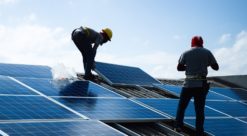
A new method using nanowires can make solar panels much more efficient and much cheaper than today.

Code red for humanity, says the IPCC. Fortunately, there’s still a lot we can do, but we have no time to lose, says NTNU climate researcher Edgar Hertwich.

As you walk around the city, nature “pops up” in unexpected places. Like a “lung tree” – a tree that breathes. The Nature in Your Face research project wants to use art to create engagement.

Relatively simple adaptation could make the cargo ships of the future completely green. The technology is based on the chemical compound ammonia, some extensive number crunching and one or two engine modifications.
New technologies, including artificial intelligence, allow us to study salmon behaviour and their living environment in large-scale commercial sea cages.

Intelligent food handling by robots can boost productivity and reduce waste in the production chain. Meet the robot with visual and tactile sensing, capable of handling compliant food objects.
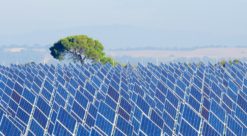
New discoveries are making silicon production cleaner, and solar cells of the future will become even more environmentally friendly.

More biofuels are needed to counteract climate change. But producing them shouldn’t diminish food production or wilderness areas. The solution may be to grow more grass on recently abandoned cropland.

The feed cost represents about 50 percent of the costs of farming salmon. But how do we know if the salmon is hungry or still full? Researchers have rethought to find answers. The result is less wastage and pollution – and enough food for the salmon.
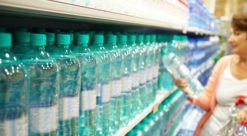
Bioplastics contain substances that are as toxic as those in ordinary plastics.
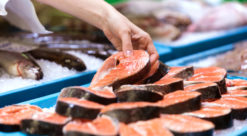
The rest raw materials left after a salmon has been filleted are equivalent to more than 60 percent of its slaughtered weight. It will soon be possible to convert these into a high-quality fish oil, taste-neutral fish proteins, fish gelatin and flame-retardant materials. Ensuring that not a single gramme goes to waste.
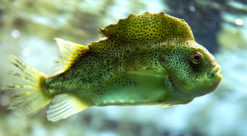
Research shows that even fish farmers have doubts as to whether using cleaner fish is an effective delousing method. “Fish farmers tell us that they want a ban on the use of certain species. They’re also very critical of wild-caught cleaner fish being transported,” says researcher Kristine Størkersen. She is one of the scientists who have been helping the Norwegian Food Safety Authority gain an overview of the situation.
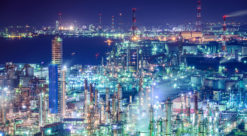
The coronavirus outbreak raised everyone’s awareness of the significance of global supply chains to modern economies. But global supply chains also play an important role in greenhouse gas emissions. How they are managed can either increase or decrease carbon emissions, new research shows.
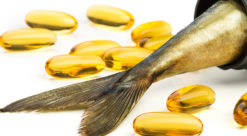
Omega-3 fatty acids are essential components of healthy diets for both humans and fish. The dramatic increase in fish farming worldwide has boosted the demand for omega-3 fatty acids so much that today’s supply can’t meet demand. Reducing waste and finding new sources can help.
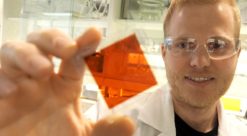
Organic solar cells are usually less effective than silicon solar cells. But there is still a market for them – and they’re beautiful and exciting.