Researcher warns against technostress
New technology aims to enable us to always do even more. A researcher has issued a warning about what this ‘efficiency hysteria’ is doing to us and our workplaces.

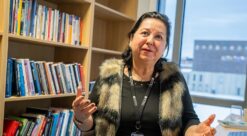
New technology aims to enable us to always do even more. A researcher has issued a warning about what this ‘efficiency hysteria’ is doing to us and our workplaces.
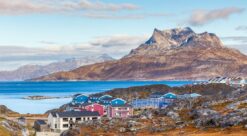
Donald Trump used a 2018 survey on Greenlandic preferences for national independence to bolster his argument for annexing the autonomous territory.

Will we be able to trust text and images in the future? Deepfake is being used not just for innocent fun, but also to influence voters in the world’s most powerful countries.
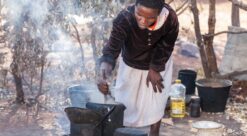
Despite decades of innovation, more than a billion people in sub-Saharan Africa still don’t have access to clean cooking. Low-tech, affordable cookers exist, yet firewood remains the go-to fuel. Why?
A recent study shows that a new programme can increase ‘grit’ and self-efficacy in adolescents. Approximately 16,000 young people will soon have access to this programme each year.
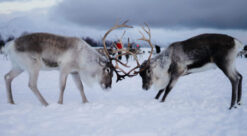
Climate change is affecting the Sámi rhythm of life and their faith in the future. Yet Norwegian and Swedish reindeer herders see predators, forestry and wind farms as greater threats.
Ten years of research on yoga as a stress-reducing activity provides a clear answer: A little effort offers real health benefits.
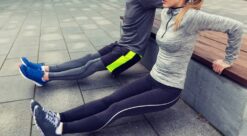
Women and men differ in drive, passion and flow, a new study shows.
Norway’s support for scholars at risk is a lifeline for displaced academics. As displaced scholars, however, we see that challenges remain.
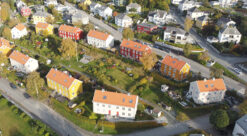
More than 100 years ago, visionary and socially engaged individuals were at the forefront of a groundbreaking cooperative housing project in Trondheim. Trondhjems Kooperative Boligselskap at Rosenborg is a relatively unknown gem.

Forget gender, ethnic background, and age. When it comes to cutting carbon emissions, it’s the board’s diversity in skills, expertise, experience and insider/outsidership that matters.

Volunteers are increasingly providing care when family and public services cannot provide enough. But how close should the helper and the person being helped become?

By now, most people know that a regular diet of animal-based products isn’t a good choice for the planet. But how bad are these foods, really?

Children born prematurely are more at risk of dying from road traffic accidents, suicide and substance abuse in late adolescence. A new Nordic study shows that women who were born prematurely are particularly at significantly greater risk of committing suicide.

Those who believe they will be able to achieve their goals are also more passionate and have greater willpower.

It is essential that Norwegian towns and cities become climate-neutral. But how do we get this done? On the site of the old Oslo airport at Fornebu, researchers are demonstrating how real transformation can be implemented in practice.

Climate scientists often lack the information they need for their climate models. A master’s student helped to find important figures from Africa’s most populous country – Nigeria.
We throw away huge amounts of food. But would you change your behaviour if you knew the nutritional value of the food you waste?

It might seem like the world is being bombarded by one crisis after another. But what’s really happening is an increase in media coverage.

Objects and shapes influence language and how we see the world. The European Research Council is supporting research on this topic with a NOK 123 million Synergy Grant.

The presidential race appears to be a dead heat ahead of the United States election on 5 November, but wokeness is ‘an unexploded bomb’.

A new test can determine if you have the right attitude to achieve your goals.
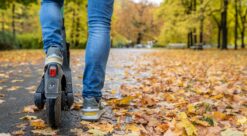
The Norwegian Public Roads Administration (NPRA) has commissioned a team of SINTEF researchers to measure the respective health impacts of walking, cycling and the use of e-scooters to get to work.

The number of Norwegian pupils who refuse to go to school is increasing. New research shows that school refusal may be linked to educational policy guidelines and the way the Norwegian school system is organized.