This is how to cut your car commute to work
Many people can manage very well by using their cars less. But for this to happen, housing developments must be planned to make it easier. Astrid Bjørgen has been studying how this can be achieved.


Many people can manage very well by using their cars less. But for this to happen, housing developments must be planned to make it easier. Astrid Bjørgen has been studying how this can be achieved.

A new study shows clear differences between the sexes: close family is important for girls with suicidal thoughts, whereas activities such as sports, leisure activities or other hobbies provide particularly good protection for boys.
A drug being tested for cancer treatment can probably also be used to kill bacteria that are resistant to antibiotics.
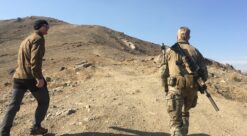
Most Afghanistan veterans manage well, but not all. Anger, not PTSD, is the main problem.
Almost everyone agrees that having the same GP (general practitioner) over a long period of time is beneficial, but are you at risk if your GP relocates or retires?
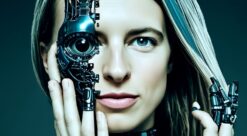
Inga Strümke does not believe artificial intelligence will take over the world with killer robots, but it might kill your spark. This is an area that needs rules, and Europe is about to get them.
Imagine if everyone were to agree to do everything they can to help the planet. Right now. What sort of state would we and the planet be in in 2050? And what would we have to do?
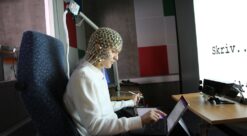
We learn much better when writing by hand instead of on a keyboard, and using fine motor skills is important for children’s brain development.
The United States remains a global power unparalleled in history. So what would it take for this situation to change? Four possible developments or events seem to be plausible candidates.
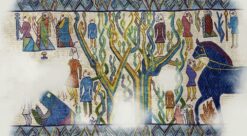
The Vikings surrounded themselves with textiles that were richly illustrated with stories. 1200-year-old tapestry fragments found in Norway’s Oseberg Ship are now being pieced together – without having to touch them.
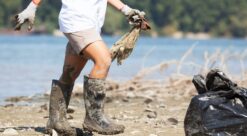
Plastic, and plastic pollution, are a huge problem for both human health and the environment. An interdisciplinary panel of experts suggests that politicians take three concrete steps to better understand and rein in this growing problem.

Trondheim’s Nidaros Cathedral is full of secrets, messages from the past written in stone. One researcher is now decoding these missives, half hidden in a very special spot in and around the most sacred place in the church.

Despite the effect smoking has on cancer, many people continue to smoke after receiving a cancer diagnosis. A simple test can help predict whether smokers are likely to succeed in quitting.
Youthful creativity is enhanced by artificial intelligence, but students are also asking valid, critical questions about how the technology affects education and learning.
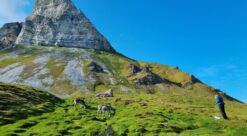
Non-native, invasive species are among the world’s biggest environmental problems. Svalbard has been unaffected – up until now.
TOPOCOM is bringing together leading European research institutions to work on a project that could replace today’s electronics.

It’s summer in the Northern Hemisphere and peak season for getting lost in the great outdoors. Learning new ways to find our way back can help us stay safe in the wild.
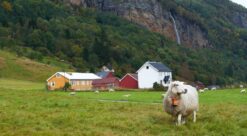
Here’s how Norway can limit the loss of an all-important substance, phosphorus.

Some smells are on the verge of extinction, but we may be able to re-create them using artificial intelligence.

Scientists are searching high and low for markers that can reveal the risk of a heart attack before a patient falls ill. Tiny microRNAs and subgroups of cholesterol may be the solution.

When the bacterium detects damage to its genetic material, it sends out an SOS signal that alters the activity inside the cells.

Being young and beautiful can have its risks. The best-looking young people tend to drink and party more – and are more likely to make choices that could lead to problems in adulthood.
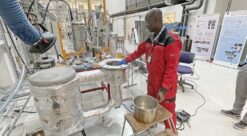
A lot of research has been done to try to come up with ways of cooking food using solar energy, but what works best in practice in sub-Saharan Africa?
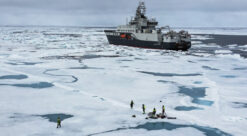
Arctic shipping traffic is on the increase. One day, these ships will be autonomous. New technology that can remove rain, snow and fog from the images produced by the ship’s cameras and sensors will increase safety in extreme conditions.