Parents of premature babies want more information
Parents with children in the neonatal intensive care unit want more information, supervision and advice to meet their children’s needs, according to results from a new PhD dissertation.

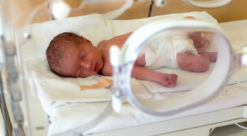
Parents with children in the neonatal intensive care unit want more information, supervision and advice to meet their children’s needs, according to results from a new PhD dissertation.
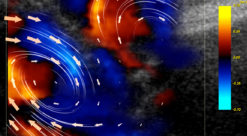
You may not be able to hear them, but they help to diagnose and treat patients every day. In the past 40 years, ultrasound imaging has gone from blurry black-and-white images, to sharp 3D images in real time. And the technology is still developing. Now, artificial intelligence is being tested for aid in interpreting ultrasound images.
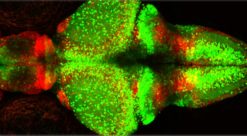
What happens during an epileptic seizure? A recent study suggests that seizures occur after certain defence cells in the brain break down.

Our understanding of how our psyche affects our immune system – and vice versa – has been limited. Until now.
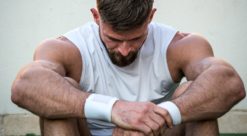
The dreaded condition known as rhabdomyolysis may be much more common after a particularly intense training session than you’d think. But for most people, the only symptom is being slightly more sore than usual.

Passion, grit, the right mindset and support from others are what’s needed to rank among the best in a given field. That’s the only way you’ll be able to keep yourself motivated and endure all the practice that’s required.
A new study shows that every third Norwegian has a fatty liver. You can get it even if you don’t drink alcohol. If you are out of shape, the probability is much higher.
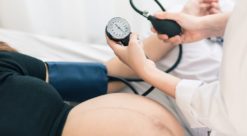
Women who experience hypertensive disorders while pregnant are more susceptible to developing cardiovascular disease later in life. But the main reason doesn’t stem from the hypertensive disorder itself.
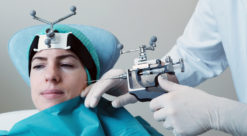
Patients with chronic facial pain get their teeth pulled, take a bunch of painkillers and are on a perpetual trek between health services – without finding anything that works to ease the pain. An NTNU researcher thinks Botox can help.
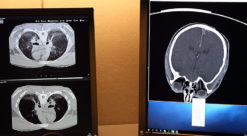
Sometimes it’s hard to know what a person has actually died from. But post-mortem CT scans may provide a useful tool.
A new method can help doctors in planning liver cancer operations.

“I am a doctor who reveals idiots as a hobby,” says Ben Goldacre. If so, it’s become a pretty comprehensive hobby.

A recently developed app with an in-built “enzyme calculator” reduces stomach pains and intestinal problems among patients with cystic fibrosis – a disease of the lungs and intestinal tract.

Some medical research data never get published because they don’t fit in with the pharmaceutical industry’s desired results. Profiled researcher and social commentator Ben Goldacre will shed some light on this very topic when he takes part in NTNU’s The Big Challenge science festival in Trondheim in June.
We’ve changed our name to Norwegian SciTech News — so readers know immediately what they will find here.
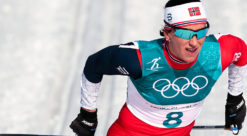
The most successful winter Olympian ever opened nearly two decades of training logs to researchers to shed light on how she achieved her goals. Now researchers have looked at two methods she used for her high-intensity training sessions to see how they compare.
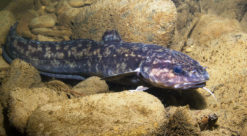
The discharge of pharmaceutical drugs is a major problem around the world, but a new study of the freshwater fish burbot shows that there is hope.

The world’s best-known doctor is coming to the Big Challenge to talk about the world’s biggest challenge, and one that thousands of scientists are trying to figure out: what makes us sick? Norway is among the challenge participants.

Grocery stores throw out 75 000 tons of food annually. By adding date tagging to the barcode, food waste could be dramatically reduced, say two NTNU students.

The higher a person’s BMI, the greater the chance of getting psoriasis. But researchers are still uncertain as to why.

Inspecting ship tanks and storage spaces underwater is a challenging task for humans. A start-up company that originated at NTNU is manufacturing autonomous drones that can take over the job – and do it more cheaply.
Researchers at NTNU’s Kavli Institute for Systems Neuroscience have found specialized brain cells that help us navigate in space.

Metformin significantly reduces the risk of late miscarriages and preterm births for women with PCOS. But the drug does not work to prevent gestational diabetes, according to a large Nordic study from NTNU and St. Olavs hospital.
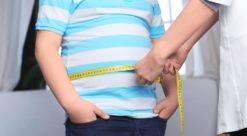
Metformin has several benefits when the mother has PCOS. But children are at greater risk for obesity later in life.