To abort or not to abort – making difficult choices alone
Some pregnant women are so conflicted about abortion that they don’t even talk about it with their own mother.

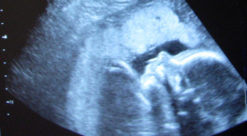
Some pregnant women are so conflicted about abortion that they don’t even talk about it with their own mother.

Data from 1.2 million people reveal how tobacco and alcohol use may be linked to your genes and to various diseases.
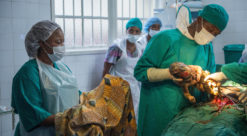
Sierra Leone has few doctors and even fewer surgeons to serve its seven million people. Since 2011, a non-profit group called CapaCare has been training community health officers to perform basic lifesaving surgeries. A new study shows the programme is working well when it comes to the most common surgery in the country — Caesarean sections.

Do we have a dominant brain hemisphere? Do we use our whole brain? Can we train our brains to be smarter? Does our ability to learn depend only on our genetic inheritance?
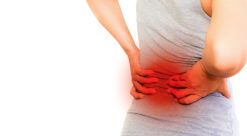
Are you bothered by persistent pain? Here’s a pain physician’s advice on how to change your perceptions of pain and get a grip on it.

Cooks live less long on average than people in most other occupational groups. Changes in their working environment could result in better health for many.

According to a new NTNU study, poor cardiorespiratory fitness could increase your risk of a future heart attack, even if you have no symptoms of a lifestyle illness today.
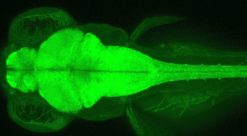
Miniscule wavy hairs called cilia in the cavities of your brain help keep it healthy and function well.

Researchers have observed a connection between certain genes and atrial fibrillation. Their study makes an important contribution to understanding different risk factors.
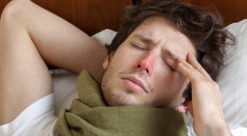
Our immune systems are working overtime this time of year. Knowing that a bunch of dedicated immune cells are willing to explode themselves to inform other cells about the danger may offer a bit of consolation.
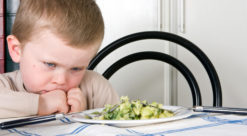
Children have to taste a food at least ten times before knowing whether they like it or not. Pickiness is hereditary, says an NTNU professor. She has nine tips for parents with picky eaters.
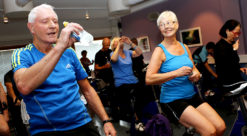
What needs to happen to entice more seniors up and out of their easy chairs? The Generation 100 study found some answers by combing through 70 000 exercise logs.

When mothers lose weight, their children slim down too. When mothers are less active, children grow bigger. Dad’s choices appear to play less of a role.
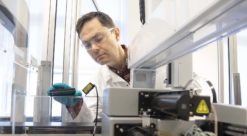
An enzyme that normally repairs damaged DNA may be the key to a new treatment for inflammatory diseases.

Boys and young men who are obsessed with building muscle have more mental health issues than researchers and healthcare professionals have previously recognized.

Food demand is growing as people get bigger. Feeding a population of 9 billion in 2050 will require much more food than previously calculated.
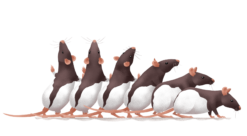
Even the most basic moves in life, like getting out of bed in the morning, require far more coordination than one might think. Neuroscientists may have just uncovered key aspects of how the brain controls body posture during these kinds of everyday movements.
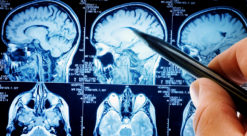
For the first time – in Norway and internationally – researchers have looked at the direct correlation between brain size and cancer risk in adults.
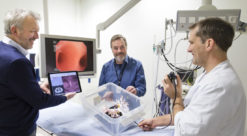
The team behind a new medical navigation system which makes it easier to take biopsy samples from the lungs recently received an international innovation award during Innovation Expo 2018 in Rotterdam.

Doctors are happy to give advice to people at risk of developing type 2 diabetes. But patients often end up with diabetes anyway.
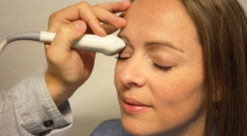
A new study confirms the efficacy of a new diagnostic tool that utilises ultrasound to measure intracranial pressure following accidents. The technology will now be provided with artificial intelligence so that ambulance personnel can carry out examinations at accident scenes.

Some smokers have genes that predispose them to heavier smoking. Researchers looked at whether those same genes might trigger heavier drinking — and it turns out, they don’t.

The summer of 2018 has been one of the hottest and driest in recent times in large parts of Norway and Europe. How does weather affect the exercise habits of the elderly? A study of 1200 older adults’ activity level linked to weather data shows that warmer, dry weather is the most inviting.

Researchers at the Kavli Institute for Systems Neuroscience have discovered a network of brain cells that expresses our sense of time within experiences and memories. The area of the brain where time is experienced is located right next to the area that codes for space.