Is early detection of disease always an advantage?
Most people think that detecting and treating illness as early as possible is a good thing and gives you the greatest chance of getting well again. That isn’t necessarily the case.

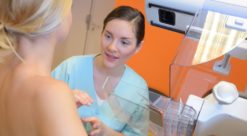
Most people think that detecting and treating illness as early as possible is a good thing and gives you the greatest chance of getting well again. That isn’t necessarily the case.
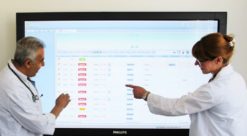
Millions are saved and job satisfaction boosted when doctors and nurses are actively involved in selecting the IT systems they need to rationalise their day-to-day routines.
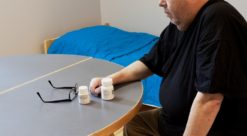
Being overweight, little physical activity and smoking increase our vulnerability for severe bloodstream infections. These factors also increase mortality.

The tuberculosis vaccine only works for children. BCG (bacille Calmette-Guerin) doesn’t protect you as an adult. Now we know more about how the bacterium avoids being detected.
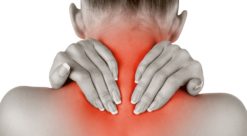
New study results may help shorten queues to see the physiotherapist by reducing excessive treatment.
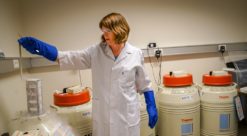
Many patients are treated for prostate cancer unnecessarily. Norwegian researchers are working to reduce overtreatment, while at the same time detecting the sickest patients. Now they’re receiving EU support.
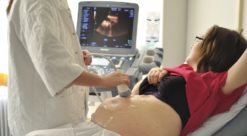
A mother’s risk of getting preeclampsia, a potentially life-threatening illness associated with pregnancy, can be linked in some cases to genes from her foetus.
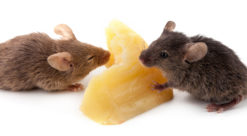
A new approach to cancer treatment combines ultrasound, bubbles and nanoparticles with chemotherapy. In an experiment, the treatment has cured cancer in mice.

Trying to reduce your brooding by running away from your thoughts or distracting yourself isn’t helpful, but you can overcome negative thoughts by letting them be.

Omega-3 supplements may help slow the development of diseases like cancer, Alzheimer’s and multiple sclerosis.

Now we know more about how to get really good at something. This is especially useful for people who are engaged in helping others to develop skills and knowledge — and for parents.

Many cancer patients are susceptible to potentially lethal weight loss. Now researchers understand better why this happens, and perhaps how to prevent the condition.
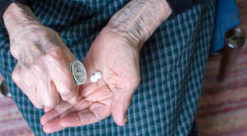
A number of different medications are used to treat psychiatric disorders in Norwegian nursing homes. Even when residents’ symptoms show improvement over time, new research shows that many of them continue to be given the drugs.

Early skin-to-skin care is important for newborns. But should preterm babies have this same experience, or is it more important to get them right into an incubator?

The plague that is believed to have caused the Black Death still occasionally ravages populations, albeit to a much smaller extent than before. Now we know more about how the bacteria attack us.

With practice, children can stand without support even before they are 4 months old. This is much earlier than has been reported in the literature.

For the first time, researchers have found a way to compare how much alcohol Europeans drink. And Britain, Ireland and Portugal top off the list.

People 65 and older benefit just as much from an operation for a slipped disc in the lower back as do younger patients.

Researchers from Norway and Singapore are working together to build cities floating at sea and underground universities.

The number of adults in Norway who suffer from PTSD is equivalent to practically an entire year class of Norwegians, claims a new study.
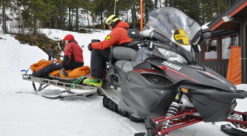
What is the best form of first aid for a cold, injured body? Mountain medicine researchers are now co-operating to find the answer. At present there is actually no “best practice” for treating this type of patients.

A new study of rats suggests that it’s not just what you eat, but when you eat it that affects weight loss or gain.
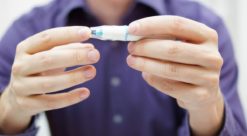
Some people with diabetes do not notice when their blood sugar level is getting dangerously low. NTNU researchers are trying to understand why.
The close relationship between SINTEF and NTNU has catapulted the university to a number one ranking among the world’s universities when it comes to publishing in partnership with a single industry collaborator.