Researchers identify genes at play in people with osteoarthritis
After conducting the largest study on osteoarthritis in the world, researchers are now on track to develop a medicine that can slow it down.

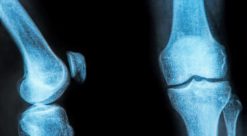
After conducting the largest study on osteoarthritis in the world, researchers are now on track to develop a medicine that can slow it down.

Many people have been robbed of a very basic need during the pandemic: physical contact. Human touch triggers hormones like serotonin, dopamine and oxytocin. Hormones that make us feel good flourish when we touch each other.

An NTNU researcher has discovered what happens in the genes of divers with decompression sickness. The breakthrough is gaining international attention after more than a century of searching for the causes of divers’ disease.
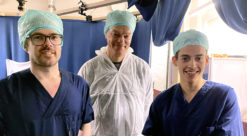
Nobel laureate and Kavli Institute for Systems Neuroscience founding director and professor Edvard Moser says a new technology “opens doors to experiments we could only dream about 5 years ago.” The technology in question is called Neuropixels 2.0, a new favourite in the neuroscientists’ toolbox.
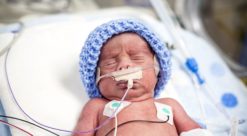
The risk of dying from heart disease, chronic lung disease or diabetes in adulthood is twice as high for preemies —premature infants — as for the general population. Even those who were born just two to three weeks before term have a slightly increased risk.
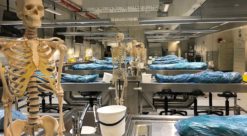
Nine hundred people from Trøndelag county have donated their bodies to research when they die. Why do they do it, and what are the bodies actually used for? Come on into the anatomical laboratory at NTNU.
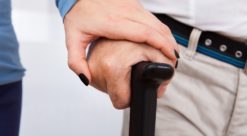
Having several chronic health problems at the same time is common – especially among people with the fewest resources.
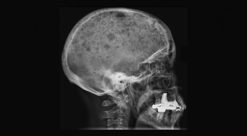
Bone marrow cancer is currently an incurable disease that affects about 400 people in Norway every year. Professor Therese Standal at NTNU has now found an important reason for bone destruction in people with this disease.
A lot of people struggle with poor memory and impaired attention after a concussion, but how they experience their symptoms differs from their test results.

Sleep deprivation makes us feel less happy, active, attentive and purposeful, according to a new sleep study from NTNU.
The Norwegian Directorate for Health and Human Affairs recommends more physical activity and less sitting time. But that isn’t the right approach to managing neck and back pain for everyone, according to research from NTNU.
Road dust can be a big problem in the winter, especially in northern climes where the use of studded tyres is allowed. Researchers are now studying how the type of stone used in asphalt affects the amount and harmfulness of dusty particulate matter that gets kicked up as studded tyres chew into the asphalt.

A daily 10-minute training session using an app could reduce migraine attacks for many sufferers, according to researchers.
People who followed researchers’ motivational posts on Instagram got more enjoyment out of their training sessions. Just a couple of minutes over the course of four weeks was enough to make a difference.
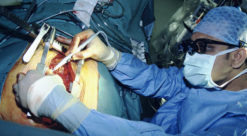
Cholesterol crystals form from “bad” cholesterol and are found in plaques that line blood vessels. When these plaques rupture, they can cause heart attacks or strokes. New research suggests that cholesterol crystals in plaques can actually trigger strokes and heart attacks.

Most people think it’s a good thing that public health authorities propose preventive health measures. The greatest resistance is found among individuals who need these measures the most – such as smokers, people with unhealthy diets or who don’t exercise.

Can weightlessness stop cancer from growing? One of the nine research projects that has been given the go-ahead for the new China Space Station scheduled for 2022 is designed to answer this exact question.
The dreaded condition known as rhabdomyolysis may be much more common after a particularly intense training session than you’d think. But for most people, the only symptom is being slightly more sore than usual.
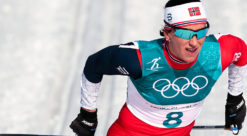
The most successful winter Olympian ever opened nearly two decades of training logs to researchers to shed light on how she achieved her goals. Now researchers have looked at two methods she used for her high-intensity training sessions to see how they compare.
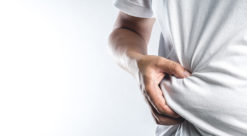
The higher a person’s BMI, the greater the chance of getting psoriasis. But researchers are still uncertain as to why.

Data from 1.2 million people reveal how tobacco and alcohol use may be linked to your genes and to various diseases.
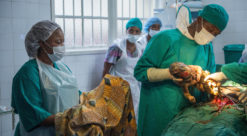
Sierra Leone has few doctors and even fewer surgeons to serve its seven million people. Since 2011, a non-profit group called CapaCare has been training community health officers to perform basic lifesaving surgeries. A new study shows the programme is working well when it comes to the most common surgery in the country — Caesarean sections.

Do we have a dominant brain hemisphere? Do we use our whole brain? Can we train our brains to be smarter? Does our ability to learn depend only on our genetic inheritance?
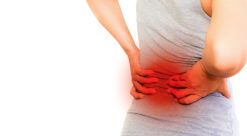
Are you bothered by persistent pain? Here’s a pain physician’s advice on how to change your perceptions of pain and get a grip on it.