Norwegian public asked to name a species
The moss world will never be the same. The moss Norwegian researchers thought they knew has played a trick on them. In return, researchers are calling on the Norwegian public to name a new species.

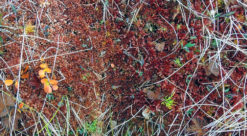
The moss world will never be the same. The moss Norwegian researchers thought they knew has played a trick on them. In return, researchers are calling on the Norwegian public to name a new species.
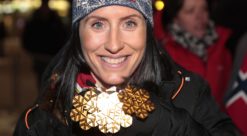
Marit Bjørgen was a world-class athlete at the top of her career — and then she decided to have a baby. How did that change her ability to train — and her performance afterwards?
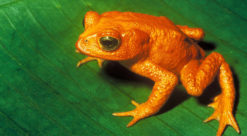
The fungus kills frogs, toads and salamanders, and now we know where it emerged. The pet trade may be to blame.
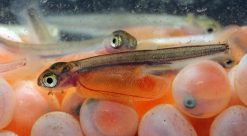
The aquaculture industry typically selects salmon with the right genes for breeding to provide the freshest and biggest fish. A new method has the potential to produce better results.

Only one in five women follows the recommendations for taking vitamin D supplements during pregnancy. Vitamin D deficiency can have serious repercussions for the skeletal health of both mother and child.
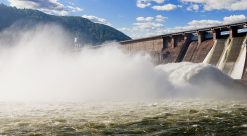
Can Norwegian hydropower and natural gas play a role in Europe’s future power market? Results of a recent study show that Europe needs to craft a new and shared vision for energy policy for Norway to be a player.
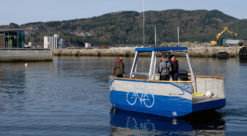
Soon the prototype for the world’s first driverless electric passenger ferry will be ready to launch in Trondheim.

Many immigrants changed their names when they came to the United States at the turn of the last century. People who changed their first names often landed better-paying jobs.
Global climate change is already affecting the globe, as demonstrated by the shrinking polar ice cap, melting glaciers and cities in the grips of longer, more intense heat waves. Now a team of researchers has conducted a radical thought experiment on how extreme land use changes could influence future climate.
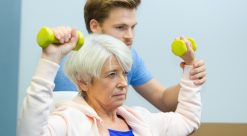
Increased physical activity, not weight loss, gives individuals with coronary heart disease a longer lease on life, according to a new study conducted at NTNU.

Being overweight can’t protect you against illness. One professor believes the so-called “obesity paradox” may be a result of statistical methodology.
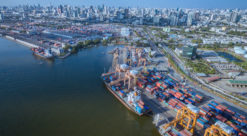
A new database gives researchers — and potentially policymakers — the ability to see how global trade affects environmental impacts.
That midlife crisis in your 40s actually comes with some benefits. Fewer headaches are one of them.
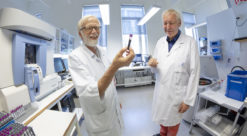
Back in the 1970s, a Norwegian family was found to have abnormally high red blood cell counts. Thirty-five years later, researchers succeeded in solving the mystery, thanks to new analytical methods and the latest developments in genetic engineering – and a chance meeting with a Swiss scientist.
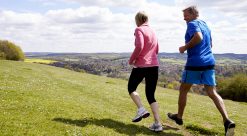
Are you in poor physical shape or struggling with depressive symptoms? Maybe both? You’ll live longer by improving either condition – even if you’re getting up in years.
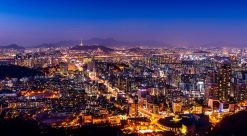
Many see cities as the new front lines of the climate change fight. Identifying the mayors and city councils in cities with the biggest carbon footprints, and the most power to make big changes, could mobilize a wave of reinforcements.

Natural history collections aren’t just dusty financial sinkholes. Actually, they can be gold mines for industry.
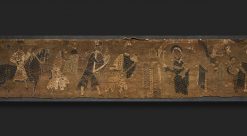
Norwegian churches in the Middle Ages were decorated with embroidered tapestries that told Bible stories almost like a comic series. The Høylandet tapestry is the only one of its kind that has survived the march of time.

You’ve seen the pictures and the products: Japanese teenage girls in a pastel little-girl world, and children and adults who love Hello Kitty products. They’re all part of the Japanese kawaii phenomenon, which actually started several hundred years ago.

Tinder users don’t have more sexual partners than other similarly minded people. Women tend to use the app to feel better about themselves, whereas men are more focused on sex.

When boys start school, they recognise fewer letters and their corresponding sounds than girls do. The difference is just as great at the end of the school year.
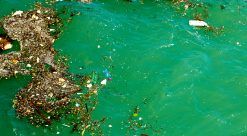
Picking up a plastic bag from the beach makes a bigger difference than you might imagine.
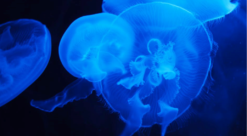
In the innovative EU project GoJelly, researchers are working to solve the microplastic challenge by using products from nature itself.
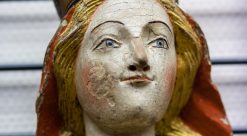
A Madonna figure from Grong municipality is one of the best preserved and special church sculptures in Norway from the Middle Ages. She looks like a sweet, friendly girl who’s been asked to model for the sculpture.