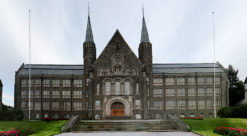
Inaugural opening of “Mohn Research Center for the Brain”
The University of Bergen and the Kavli Institute at NTNU are joining forces on brain research with support from the Trond Mohn Foundation.

The University of Bergen and the Kavli Institute at NTNU are joining forces on brain research with support from the Trond Mohn Foundation.
The fight against COVID-19 is far from over. A new combination of drugs could help save lives.
A majority of employees in Norwegian nursing homes have committed abuse or neglect of the elderly, a comprehensive report shows.
Lybe Scientific, a start-up company based on NTNU research, is entering the market as a provider of high-quality diagnostic solutions – not just for COVID-19 diagnostics, but also other areas such as the common flu and sexually transmitted diseases.
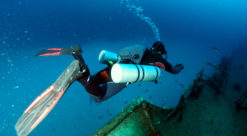
An NTNU researcher has discovered what happens in the genes of divers with decompression sickness. The breakthrough is gaining international attention after more than a century of searching for the causes of divers’ disease.

A psychiatrist’s study reviewed more than 200 rape cases and found that the most vulnerable women who were raped received the worst follow-up by the police.
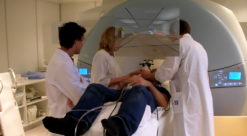
Do you find it easier to remember exactly where something is located rather than remembering exactly what is there? In that case, your experience is in sync with NTNU brain researchers’ new findings about memory.
A tiny region in the middle of the brain plays a far more important role than previously known in helping it respond to changes in the environment, a new study shows.
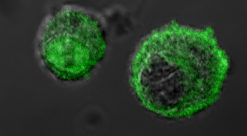
For the first time, researchers have shown how cancer cells reprogram themselves to produce lactic acid and to tolerate the acidic environment that exists around tumours. The finding could lead to a whole new direction for treating cancer.
In neonatal medicine, there is a grey area where professionals may be uncertain whether it is in the child’s best interests to start life-saving treatment. Without it, the infant dies. But the treatment can also do great harm. One of the foremost duties of medicine is often said to be to “do no harm”. But how much of a burden on the infant is acceptable? At what point is the hope simply too small to justify action?
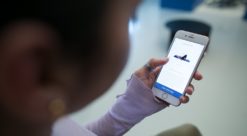
Back pain is very common. But a new app called selfBACK can help us get better.
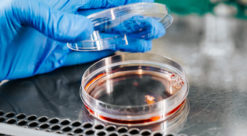
The culprit behind a large number of cancerous tumours is known to be a certain protein. Now for the first time, research shows that the same protein is the cause of several rare brain syndromes.
The Anders Jahre’s Award for Medical Research for young researchers is awarded this year to Professor Barbara van Loon at NTNU. Several previous winners of the main prize have since received the Nobel Prize in Medicine. This includes May-Britt and Edvard Moser at NTNU.
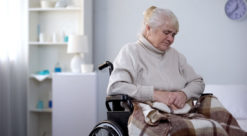
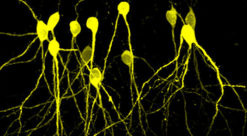
Researchers at NTNU are studying brain cells in the lab to investigate the foggy beginnings of diseases like Parkinson’s and Alzheimer’s.

Robots are becoming more and more omnipresent in our lives, even though we may not notice. New research shows that when a boxy motorized hospital robot can talk, people find it funny and engaging. And that may help people be more willing to accept new technologies, like robots, in their everyday lives.
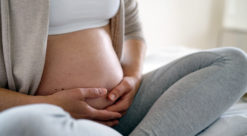
Researchers at NTNU have contributed to the discovery of gene variants in mothers that increase their risk of both preeclampsia and heart disease.
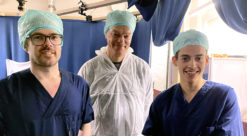
Nobel laureate and Kavli Institute for Systems Neuroscience founding director and professor Edvard Moser says a new technology “opens doors to experiments we could only dream about 5 years ago.” The technology in question is called Neuropixels 2.0, a new favourite in the neuroscientists’ toolbox.

Exercising enough can prevent weight gain. Researchers have found a simple measurement method that helps to maintain or reduce weight– and it’s free.
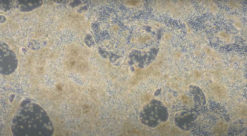
NTNU master’s student Vanessa Solvang cultivates tiny little beating hearts in the lab. She takes good care of them, weekends included.
It’s been 20 years since the first draft sequence of the human genome was published in the journals Nature and Science. The result led then-President Bill Clinton to state that we are now learning the language in which life was written, and that “doctors will increasingly be able to cure diseases like Alzheimer’s, Parkinson’s, diabetes, and cancer by attacking their genetic roots.”
Sequencing 30 000 genes has changed the world, but in a different way than expected.
NTNU researchers have started testing a COVID-19 test strategy developed in house: saliva samples you take yourself, without involving health personnel. This means that researchers may be able to knock back the coronavirus epidemic faster, more easily and much more cheaply than today. The method is now being tested on NTNU students.
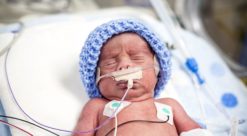
The risk of dying from heart disease, chronic lung disease or diabetes in adulthood is twice as high for preemies —premature infants — as for the general population. Even those who were born just two to three weeks before term have a slightly increased risk.
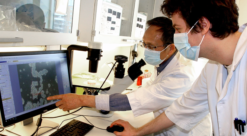
NTNU researchers are on track to find drug combinations that could help stop the coronavirus across the globe.

Elderly people are at greater risk of dying from hip surgery if surgeons are in a hurry.