A need for more medical alert response centres
Medical alert systems are going to enable you and I to live longer at home. Researchers have recently been looking closely at these systems with a view to improving them.

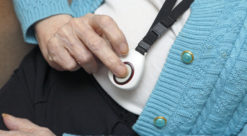
Medical alert systems are going to enable you and I to live longer at home. Researchers have recently been looking closely at these systems with a view to improving them.
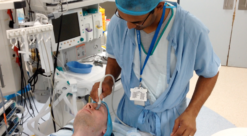
An anatomical discovery, combined with Norwegian ultrasound technology, is about to save lives and prevent brain damage.
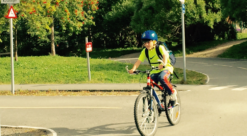
The answer is “not very” if we’re to believe the results of research trials carried out last year involving 59 children.
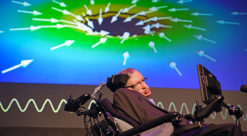
The world’s most ambitious science and music festival is moving to Norway with an impressive lineup including Stephen Hawking, Nobel Prize-winning scientists and legendary musicians.
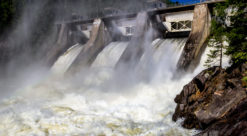
It’s not easy for big, profitable companies to respond to huge technological changes. One NTNU researcher hopes to help Norway’s electric power industry cope with the market challenges from renewable energy and changed consumer behaviour.
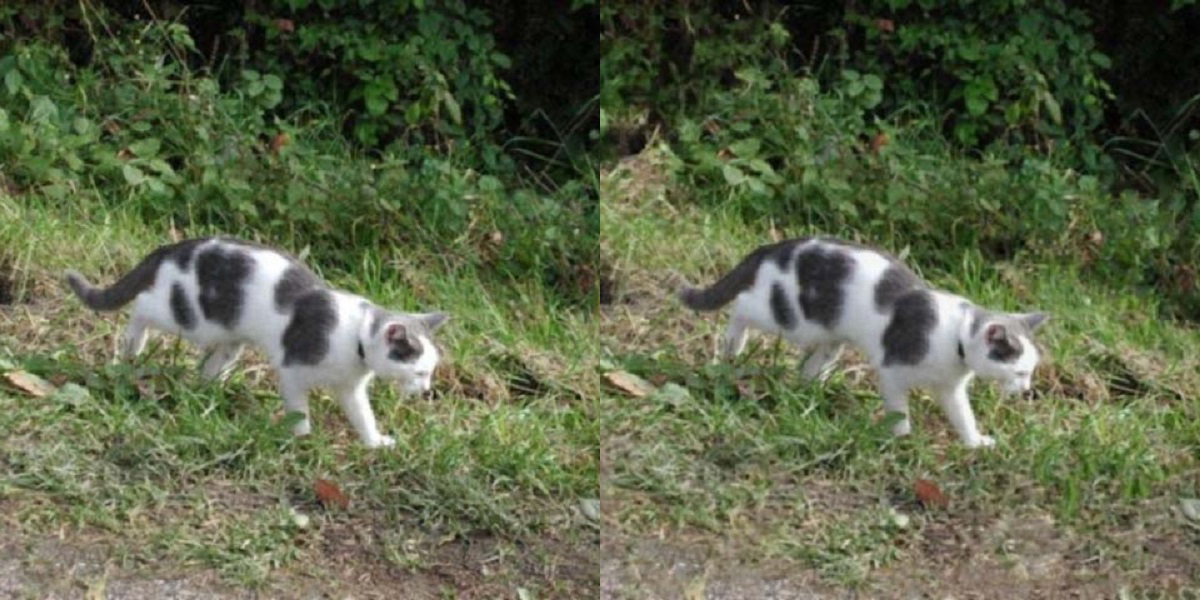
Using algorithms in a computer program, can researchers simulate the processes that happen in our brains when we sift through important and unimportant image information?
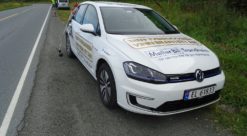
Research shows that fitting tyres with very low rolling resistance, combined with the right road surfacing, can provide just as much noise reduction as traditional noise barriers.

Starting today, you’ll find a new and simplified website design for Gemini.no/en. We hope it will improve your experience both in finding and reading the stories you like, whether you’re on your computer, tablet or mobile phone.
Research shows that the radiation doses given to children in CT scans in the1990s were significantly higher than today.
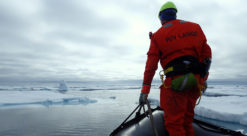
Global climate change is causing Arctic sea ice to melt at an accelerating rate, increasing the ability of ships and other structures to travel though Arctic waters. But even as they melt, some sea ice structures actually get stronger.

Donald Trump has said he will reject any climate agreements that do not benefit the United States, if he becomes president. A Norwegian professor says there is no reason to doubt that he is serious.
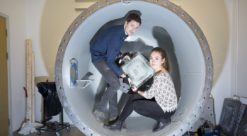
It weighs six tons, is 10 metres long, and is proving its usefulness in protecting the new government quarter, floating tunnels along Norway’s west coast and numerous other precious contraptions on a daily basis.

Norwegian cities are expanding very rapidly and in the areas surrounding many of them, naturally-occurring aggregates for asphalt and concrete production are becoming scarce. The solution may lie in local rock outcrops.
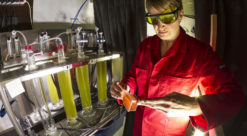
Microalgae consist of single cells but are capable of producing everything from food to fuel with the help of tailor-made LED-lighting.
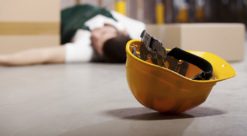
Back pain is the most common ailment affecting quality of life, while crush injuries are the most likely to result in death – and this constitutes the biggest cost to society.
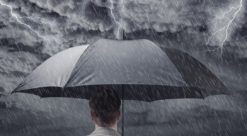
The study of tiny water droplets could result in more precise weather forecasts and climate models.
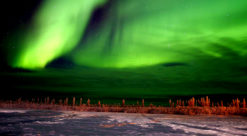
Up to 90 per cent of the world’s languages may disappear by the end of this century. Inuvialuktun is one of them.
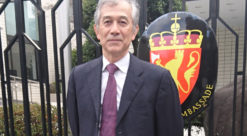
Starting today, Hiroshito Matsumoto will work from a base in Toyko on behalf of NTNU and the University of Bergen to build new research partnerships between Japan and Norway.

With help from SINTEF, the northern Norwegian company Profixio is aiming to become a world leader in fixture scheduling for handball, football and volleyball tournaments.
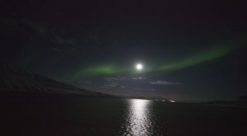
The polar night descends on the arctic archipelago of Svalbard for more than 100 days a year. But even in the depths of this darkness, the oceans are churning with activity.
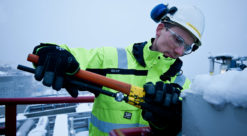
If the Norwegian oil and gas industry is heading into the Arctic, it must be dressed for the occasion. This requires unique specialist technical expertise.

One in four women who have been victims of violence as adults is at risk of stopping breastfeeding before the baby is four months old.
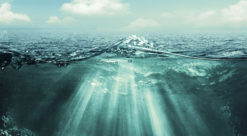
Given that 70 percent of the Earth’s surface consists of water, the oceans will be the new arenas for more economic development in the future. NTNU is exploring the ocean depths using new technologies.
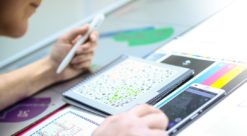
Colour blindness can make reading maps incredibly hard, with red roads passing through green forested areas. But help is on the way.