How attentive are children in traffic?
The answer is “not very” if we’re to believe the results of research trials carried out last year involving 59 children.

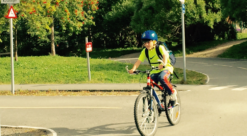
The answer is “not very” if we’re to believe the results of research trials carried out last year involving 59 children.

Planning on cooking something at your hut? Today, you still need a gas stove to do so. But soon, stoves and ovens containing rechargeable heat batteries may be readily available for any cabin or home.
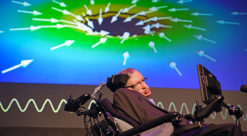
The world’s most ambitious science and music festival is moving to Norway with an impressive lineup including Stephen Hawking, Nobel Prize-winning scientists and legendary musicians.
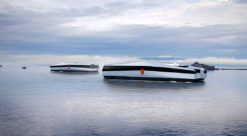
The Trondheim Fjord in Norway will be the world’s first technological playground for pilotless vehicles that move below, on and above the water’s surface.
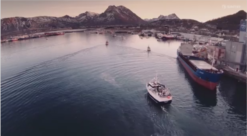
Big Data means that professional fishermen will soon be getting their own decision-making tool. It will tell them where fish shoals are located, and how their vessels can be operated as economically as possible.

People with cystic fibrosis (CF) need help to ensure they are getting correct nutrition and the right amount of enzymes. They also need constant reminders. Researchers are now developing a digital support device to promote autonomy, but are finding that this is no easy task.

The heart has to work harder in the hours following an unhealthy meal, especially if you have type 2 diabetes.
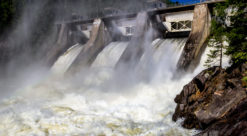
It’s not easy for big, profitable companies to respond to huge technological changes. One NTNU researcher hopes to help Norway’s electric power industry cope with the market challenges from renewable energy and changed consumer behaviour.
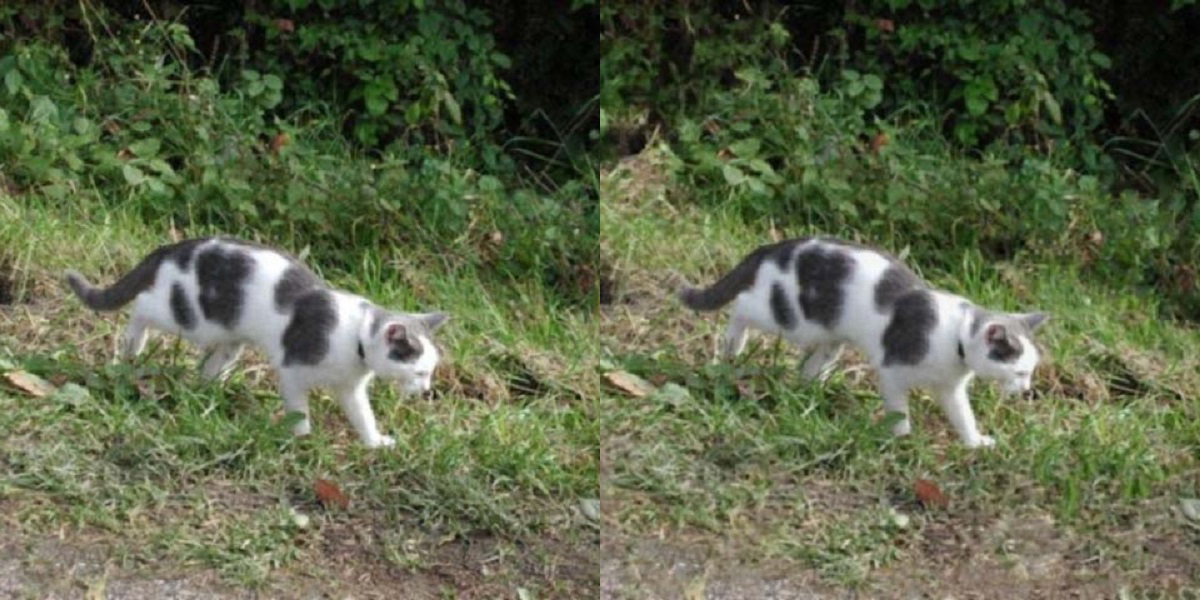
Using algorithms in a computer program, can researchers simulate the processes that happen in our brains when we sift through important and unimportant image information?
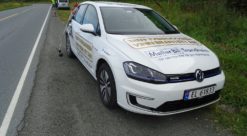
Research shows that fitting tyres with very low rolling resistance, combined with the right road surfacing, can provide just as much noise reduction as traditional noise barriers.
How will a future electricity grid manage the demands of induction cooking, charging electric cars and roof-installed solar panels? The answer is Smart Grids, which involves digitisation of the electricity grid.
Researchers apply advanced mathematical models and powerful computers to understand what happens when nanoscale magnets are made to mimic the synchronized activity of brain neurons.
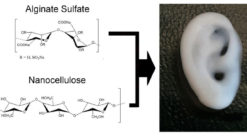
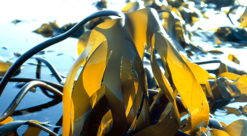
Scientists are using alginate from seaweed to try to get cells to form new body parts.

Populist parties have long had the wind in their sails. And yet researchers know very little about how populists communicate or how populist messages influence voters.
Starting today, you’ll find a new and simplified website design for Gemini.no/en. We hope it will improve your experience both in finding and reading the stories you like, whether you’re on your computer, tablet or mobile phone.
Research shows that the radiation doses given to children in CT scans in the1990s were significantly higher than today.
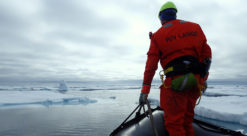
Global climate change is causing Arctic sea ice to melt at an accelerating rate, increasing the ability of ships and other structures to travel though Arctic waters. But even as they melt, some sea ice structures actually get stronger.

Norwegian researchers are looking into how best to help overweight children and teenagers.

Donald Trump has said he will reject any climate agreements that do not benefit the United States, if he becomes president. A Norwegian professor says there is no reason to doubt that he is serious.

Restructuring IT systems in the aviation sector requires cross-disciplinary collaboration between experts from different organisations and countries. This isn’t easy. Can help be found in the world of computer games?
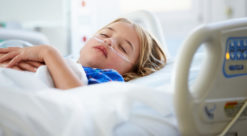
Sepsis, commonly called blood poisoning, is a common affliction that can affect people of all ages. A series of simple measures tested at a Norwegian hospital can make a difference in successfully treating sepsis.
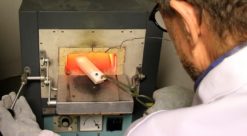
Scientists striving to recreate the 500-year-old technique of mint masters found their solution in a boiled calf’s head and good beer.
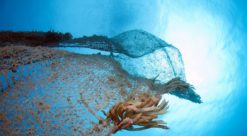
Fish nets that float abandoned in the ocean continue to catch fish long after they have been lost, posing a major environmental challenge. Degradable fishing nets can be part of the solution according to researchers.
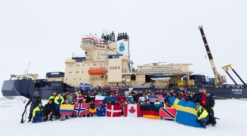
Three NTNU researchers have visited the North Pole during a research cruise in their efforts to better understand sea ice.

Espionage, sabotage and blackmailing threaten commercial enterprises as well as governmental agencies when all computer systems are interconnected. Countering this is complex and challenging, but possible.
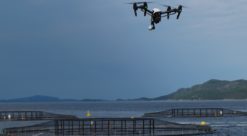
Robot vision has given us self-steering drones, and may also help keep an eye on salmon in fish pens and make sure that our children are healthy.
Increasing ocean acidification could double the mortality of newly-hatched cod larvae, a study just published in the American online journal PLOS ONE reports.
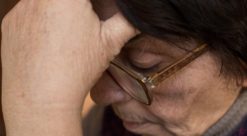
People with migraines have an increased risk of stroke and cardiovascular disease. But impaired blood vessel function outside the brain is probably not the cause.
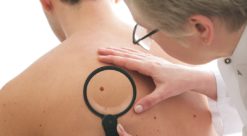
Cancer in moles is not always easy to see with the naked eye. By analysing images, a new computer program can detect cancerous moles automatically.
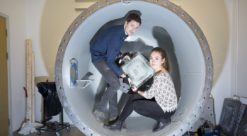
It weighs six tons, is 10 metres long, and is proving its usefulness in protecting the new government quarter, floating tunnels along Norway’s west coast and numerous other precious contraptions on a daily basis.

If the powerful players in international politics had known their history, they would have known that attempts to create democracies abroad usually end in disaster.
At least that’s what researchers believes. Now they are building a new research facility for seaweed off SalMar fish farm at Frøya in Norway.