Plastic floors, concrete ceilings and hot fish
Fish can adapt their metabolisms to cope with warmer ocean temperatures, but not necessarily with extreme heat.

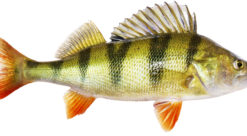
Fish can adapt their metabolisms to cope with warmer ocean temperatures, but not necessarily with extreme heat.
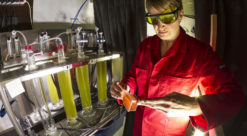
Microalgae consist of single cells but are capable of producing everything from food to fuel with the help of tailor-made LED-lighting.
Diabetes is one of the fastest growing diseases in the world. Every seven seconds a person dies because of diabetes. Researchers have uncovered the role of a key hormone that might allow the development of new treatments for the disease.

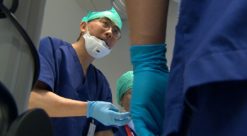
Specially trained nurses are able to dispense medication for heart patients more precisely using a pocket-sized ultrasound device.

Seabirds nest by the hundreds of thousands in colonies along the Norwegian coast. By combining an ocean current model with fish larvae transport modeling and bird population numbers, Norwegian researchers have uncovered the factors that help determine the location of seabird nesting colonies.

Researchers have been looking into the opportunities and possible drawbacks of exploiting small, so-called ‘building-augmented’ wind turbines (BAWT) in Norway.

Taking calcium and vitamin D can help prevent broken bones in older women. However, this benefit may be cancelled out by an increased risk of heart attack and stroke.
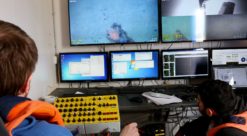
Ocean dumping of munitions from WWII was common in Norway and along the European coast. Some of these bomb dumps offer a natural living laboratory where biologists can study cold-water coral reefs.

What actually is NOx, and is this gas a climate-change sinner? And where does ozone come into the picture? SINTEF- scientist Mario Ditaranto, an expert on combustion, provides all the answers on flue gases.

Back pain is the most common ailment affecting quality of life, while crush injuries are the most likely to result in death – and this constitutes the biggest cost to society.

The study of tiny water droplets could result in more precise weather forecasts and climate models.

Bioplastic packaging that extends the shelf life of food and tells us when it is no longer fit to eat will result in less waste.

Patients with heart disease need guidance in how to adopt healthier eating habits, quit smoking and be more physically active. The health care system isn’t consistently providing that help.
The introduction of e-messaging by the Norwegian municipalities has made communication between health visitors, doctors and hospitals much easier.
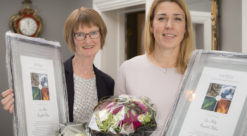
For the sixth time, product designers Ole Petter Næsgaard and Tore Christian B. Storholmen have received the Award for Design Excellence by the Norwegian Centre for Design and Architecture.

What woman doesn’t want to be with that sexy guy? But mom and sis think you should find a good, dependable man. And researchers know why.

The HBO hit series “Game of Thrones” is driven by an incredibly dedicated and creative fan base that has build a multimedia universe around the TV series and original books. One researcher believes that fans will have helped tone down the amount of violence against women in season six of the TV series.
A district heating grid supplying low temperature heat is set to boost surplus and renewably-sourced heat utilisation.
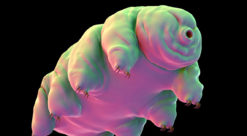
These animals can survive outer space conditions. They can provide new insights into cancer and what ageing does to us. But you’ve probably never heard of them before.

Up to 90 per cent of the world’s languages may disappear by the end of this century. Inuvialuktun is one of them.

Warmer weather and more rain have made surface water an environmental problem.
An American mother’s hunch might result in new treatments for patients who can’t tolerate conventional cholesterol-lowering drugs.
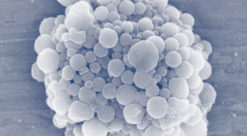
Researchers are now working to design stable micro-bubbles which, combined with ultrasound, can deliver cancer drugs straight to the target tumour.
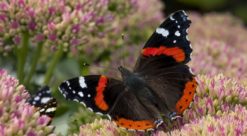
After just two years, researchers are halfway to their goal of creating DNA barcodes for Norwegian species.
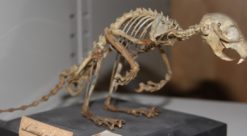
The NTNU University Museum’s squirrel from 1878 is a youngster compared to the 6600-year-old walrus that was recently dated after 50 years in storage.
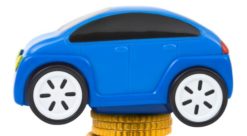
Exemption from excise at the time of purchase is the instrument that has the most influence in persuading people to buy plug-in electric vehicles in Norway, the world’s leader in EV sales per capita. Free use of toll roads is also a factor – for every second electric car driver.
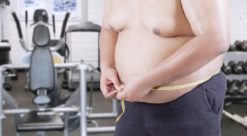
A lifestyle that increases the risk of cardiovascular disease also raises the risk of developing several types of cancer.
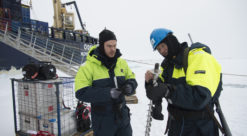
Representatives from Japanese and Norwegian universities, research institutions, government agencies and industries interested in polar issues will gather in Tokyo in early June to present research results and build partnerships.
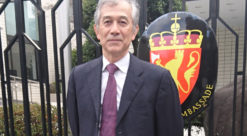
Starting today, Hiroshito Matsumoto will work from a base in Toyko on behalf of NTNU and the University of Bergen to build new research partnerships between Japan and Norway.
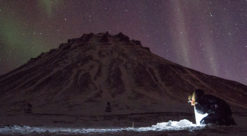
Global warming means much warmer winters in the Arctic, with more rain and icing. Researchers are working to understand what that will do to plants that have evolved to overwinter under a thick blanket of snow.

With help from SINTEF, the northern Norwegian company Profixio is aiming to become a world leader in fixture scheduling for handball, football and volleyball tournaments.

There’s no mercy to be found in the Viking film “Trace”— and the threats come at you in the Vikings’ own language.