Maternal vitamin A deficiency may increase risk of larger babies
Pregnant women with low vitamin A levels during the latter part of their pregnancy gave birth to babies with significantly higher birth weights.


Pregnant women with low vitamin A levels during the latter part of their pregnancy gave birth to babies with significantly higher birth weights.
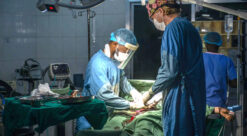
Maternal mortality in Sierra Leone used to be among the highest in the world. A 15-year-old non-profit programme that trains community health officers to do life-saving surgeries has helped slash that risk by two-thirds.

Your body weight and genes influence the types of bacteria you have in your gut. In turn, this appears to affect the risk of developing conditions such as coeliac disease and haemorrhoids.

One million births in Norway over 17 years have a story to tell: Maternity wards with greater numbers of births have safer births.
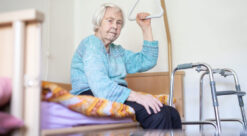
For the first time in Norway, more than three thousand nursing home employees shared what they have witnessed of violence and abuse from visiting relatives and friends.

Pregnant women worry most about their baby’s health, having a miscarriage, and giving birth.
Stress is a global epidemic that can be caused by a sedentary lifestyle. One solution is obvious.

Do you suffer from back pain? The solution may be to go for a walk – as long as you do it regularly.
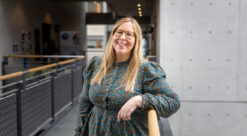
Recent research shows that lipoedema and its painful, difficult-to-lose fat hurts less when patients are on a low-carb diet.
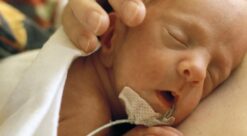
Researchers have identified numerous benefits of early skin-to-skin contact between baby and mother. They urge hospitals to help ensure that premature babies experience this important contact.
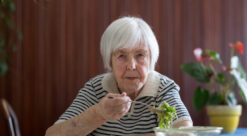
There’s a clear downside to the Norwegian policy that encourages allowing elderly people to live at home for as long as possible. Caring for the ageing population has been left to worn-out family members.

Adolescents who experience both loneliness and low resilience are much more susceptible to developing anxiety and depression as adults.

One in ten Norwegian adolescents has engaged in deliberate self-harm without intending to commit suicide.

How did COVID-19 impact Norway and our lives? Researchers know a lot about what changed, and about what remained exactly the same afterwards.

Women with severe pelvic floor disorders are four times more likely to avoid sex than women who experience milder symptoms.

Children born prematurely are more at risk of dying from road traffic accidents, suicide and substance abuse in late adolescence. A new Nordic study shows that women who were born prematurely are particularly at significantly greater risk of committing suicide.
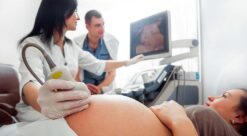
Health care providers who provide prenatal care need to know more about the underlying causes of obesity, says researcher Heidi Sandsæter. She has interviewed 14 pregnant women with obesity about their childhood, body and weight.
Certain genes associated with hypertension affect blood pressure from early in life, and they increase the risk of cardiovascular disease as you get older. But you can do something about it.
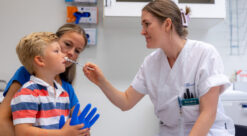
Children in severe pain do not receive enough help. Nasal spray painkillers could be a solution for children who are scared of needles. National guidelines may be changed as a result.
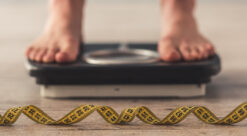
Norwegians are gaining weight. People who are “just” overweight cost the health system much more than people who are obese.
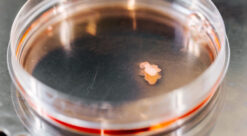
Scientists are on the hunt for treatments for diseases that have been deemed incurable.

Exercising can be absolutely awful. However, none of our excuses matter when it comes to the health benefits. The benefits go beyond physical health —exercise also has a major impact on mental health.
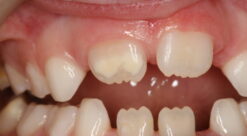
Many children have teeth that are practically falling apart due to weak enamel. Now researchers have studied whether a lack of vitamin D during pregnancy could be the culprit.

Many infant formulas purport to be healthy in several ways. But the evidence is often razor thin. The companies usually manage the research themselves.