The Norwegian wolf is extinct
The Norwegian wolf died out in the wild a long time ago. The wolves in Norwegian forests today are Finnish. Inbreeding is making them prone to extinction as well.

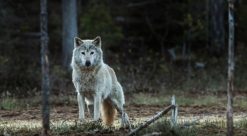
The Norwegian wolf died out in the wild a long time ago. The wolves in Norwegian forests today are Finnish. Inbreeding is making them prone to extinction as well.
Climate change is not the greatest threat to the diversity of species on Earth. The main problem is that animal and plant habitats are disappearing.
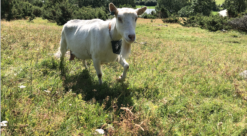
Goats are smart animals. A new technology takes advantage of their intelligence — so they longer need physical fences. More than 2400 Norwegian farmers are already using the technology to herd their animals.
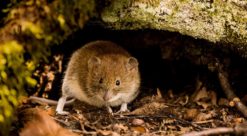
New research confirms that fluorinated compounds in ski waxes affect organs in mice.
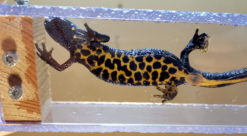
The stomach patterns of salamanders are as unique as human fingerprints. This feature will be used in an app to record salamander numbers.
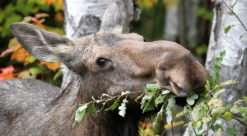
With the warming climate, forests are growing faster than before, and deciduous species are growing the fastest. Recent research illustrates just how much moose foraging limits this growth.
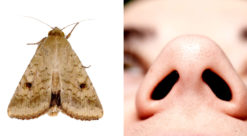
Scientists find remarkable similarities in the olfactory pathways of such diverse creatures as humans and insects.
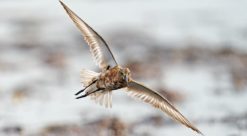
Shorebirds burn a lot of fat during their long migrations. This can release toxic chemicals that accumulate in fat cells.
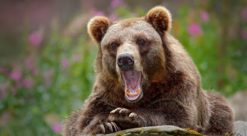
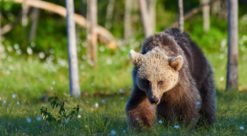
Bacteria in wild bears become more resistant to antibiotics when human antibiotic use is high.
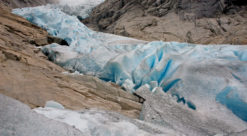
A new report from the Intergovernmental Panel on Climate Change (IPCC) describes with unnerving detail just what can happen if nations fail to limit greenhouse gas emissions. But rapid international action will keep the worst consequences at bay, the panel said.
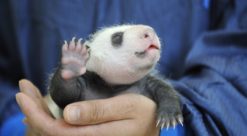
The Gunnerus Sustainability Prize for 2021 has been awarded to Professor Jianguo (Jack) Liu at Michigan State University.
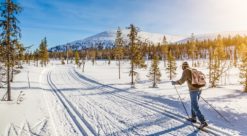
The toxic pollutants in your ski wax basically never disappear. A Norwegian lake and the area around several Norwegian airports are full of them, and so is your body.
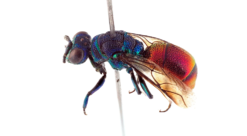
This brand new species of cuckoo wasp was discovered because of its own language.

Uncommon lessons learned from the world’s most widespread bird.

More biofuels are needed to counteract climate change. But producing them shouldn’t diminish food production or wilderness areas. The solution may be to grow more grass on recently abandoned cropland.

Even though new hydropower dam developments are intended to provide green energy, they can drown areas that are rich in plant and animal species. But this kind of collateral damage can be limited by strategic site selection, a new study shows.
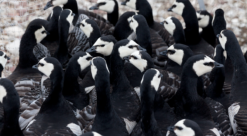
Barnacle geese in the Arctic have been on a diet. So many now migrate to northern breeding grounds that in some places there’s less food to go around. The good news is that it doesn’t seem to restrict their population growth — yet.
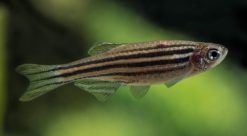
If global warming happens too quickly, not all species will be able to adapt in time.
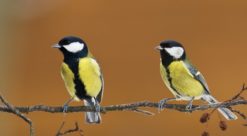
The great tit and other birds can adapt to changes in their food supply as a result of climate change, but they run into trouble if the changes happen too quickly.
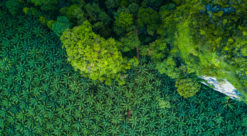
Agriculture is eating into areas that are important in protecting some of the most biologically diverse places on the planet. Most of this new agricultural land is being used to grow cattle feed.

Bioplastics contain substances that are as toxic as those in ordinary plastics.
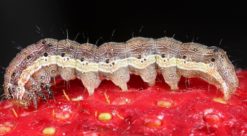
The larvae of cotton bollworm attack our food. But the adults pollinate plants. So how can we stop them from destroying crops without using poison? Researchers in Trondheim are on the case.
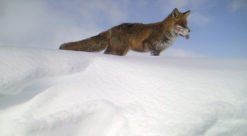
Red foxes are moving to the mountains to feed on trash along roadsides. This is bad news for the endangered Arctic fox.
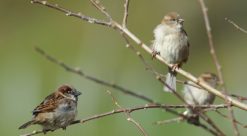
Inbred birds don’t live as long and have fewer offspring than non-inbred birds. Inbreeding is equally harmful regardless of where the birds live.