Physical activity is key for people with rheumatoid arthritis
Rheumatoid arthritis (RA) is both bothersome and painful. Less well known is the risk of premature death, because the disease can contribute to a less healthy lifestyle.

Rheumatoid arthritis (RA) is both bothersome and painful. Less well known is the risk of premature death, because the disease can contribute to a less healthy lifestyle.
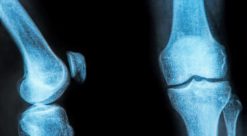
After conducting the largest study on osteoarthritis in the world, researchers are now on track to develop a medicine that can slow it down.
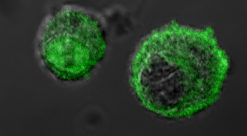
For the first time, researchers have shown how cancer cells reprogram themselves to produce lactic acid and to tolerate the acidic environment that exists around tumours. The finding could lead to a whole new direction for treating cancer.

Much more research has been done on eating problems in girls than in boys. There are major differences between the genders when it comes to symptoms and bodies, and the same technique is not as suited to detecting problems in boys, says NTNU researcher Farzaneh Saeedzadeh Sardahaee.
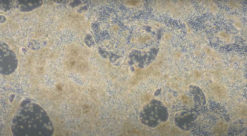
NTNU master’s student Vanessa Solvang cultivates tiny little beating hearts in the lab. She takes good care of them, weekends included.
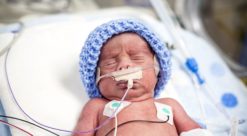
The risk of dying from heart disease, chronic lung disease or diabetes in adulthood is twice as high for preemies —premature infants — as for the general population. Even those who were born just two to three weeks before term have a slightly increased risk.
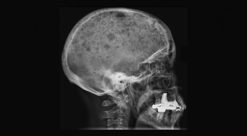
Bone marrow cancer is currently an incurable disease that affects about 400 people in Norway every year. Professor Therese Standal at NTNU has now found an important reason for bone destruction in people with this disease.
Tricia Larose is a cancer researcher who did her PhD and a postdoc at NTNU. But her research interests went beyond studying cancer — to writing about the disease for children.
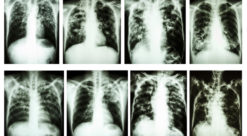
Researchers at NTNU have managed to show exactly how the tuberculosis bacterium kills its host cell by filming the process in detail for the first time. Every year, 1.5 million people die of TB. Watch the clips below.
Certain type of cancer drugs that promote the death of cells can actually be harmful if combined with other treatments that damage our DNA, RNA or proteins, researchers have found.

Chronic intestinal inflammation requires special individualized treatment. Finding the right treatment for each person may soon become easier.
COVID-19 has created an extra workload for people in socially critical professions. How does this added strain affect them and how do they handle it?
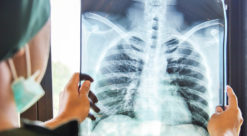
CT screening to detect lung cancer can save lives. The challenge is to find out who should undergo CT scans. A new method more accurately identifies the right individuals in the risk zone.
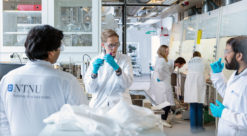
NTNU researchers recently figured out a whole new method for testing people for the coronavirus. The university is now producing tests on a continuous basis, under the auspices of the Norwegian Directorate of Health. Currently 100 000 tests a day are being manufactured, with production soon likely to be scaled up dramatically.

Italy’s budget deficit is skyrocketing. Yet people there are not debating the cost of a human life, or whether the shutdown of the country is worth it.
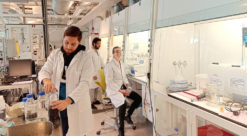
Two weeks ago, doctors at St. Olavs Hospital in Trondheim were running out of reagents needed to do COVID-19 tests. They asked colleagues at NTNU to develop a backup solution. Now, Norway is gearing up to use the new approach to test 150,000 people a week after Easter.
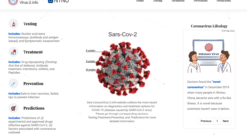
Medical researchers worldwide are racing to find treatments and vaccines to combat the coronavirus pandemic sweeping the globe. A new website offers up-to-date summaries on available and emerging options against COVID-19.
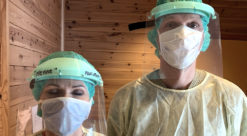
NTNU in Gjøvik has developed a better design for face shields, which are part of the personal protection equipment used by medical professionals. Major production of the new shields – up to 250 per day – is starting on the university’s 3D printers this week.

Children who get the least sleep have the greatest risk of developing mental health issues.
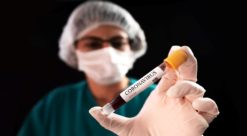
There’s no effective treatment for the coronavirus that causes COVID-19, which was first detected in Wuhan, China. Developing new drugs and vaccines can take years. Existing drugs offer a possible quick response to the potential pandemic.
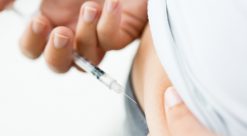
The FINDRISC questionnaire has been used extensively to predict a person’s degree of risk for getting type 2 diabetes, but new findings show that it does not adequately identify the most vulnerable individuals.

Nearly 40 million people were living with HIV in 2017, the UN says, with just over half taking antiretroviral therapy. These drugs have cut AIDS-related deaths by more than half since the 2004 peak, but the disease cannot be cured. A new mechanism uncovered by a Norwegian research group could improve the chances of developing one.
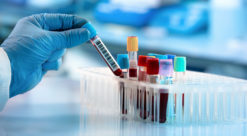
An analysis of 5 000 proteins from a blood sample is providing valuable information on a variety of diseases we might get or be at risk for. “Sensational” is the word from Christian Jonasson at the HUNT Research Centre about the US-British-Norwegian study.

Staying fit or improving fitness over time should be a goal for anyone who wants to reduce the likelihood of getting dementia.