Supergenes helped bring alien plant to Norway
The plant is called common ragweed, and if you are allergic to pollen, you should probably pay extra close attention. This is one of the invasive plants that supergenes have brought to Norway.

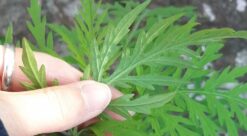
The plant is called common ragweed, and if you are allergic to pollen, you should probably pay extra close attention. This is one of the invasive plants that supergenes have brought to Norway.
Medieval times may seem dusty and distant, but we are surrounded by the Middle Ages in many different ways in our daily lives.
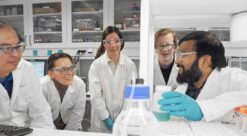
Electric cars are a growing market, and so are the large batteries they use. Often these batteries are difficult to recycle. But help is on its way.
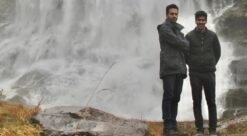
Managing hydropower production is complicated. Artificial intelligence can help ensure that we don’t run out of power.
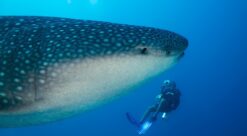
Most of our planet is underwater – and steadily more will be underwater in the years to come. What do we really know about the underwater world?

Security holes in our smart devices are difficult to detect. Is it possible to automate the search for vulnerabilities? Researchers at NTNU in Gjøvik are on the case.
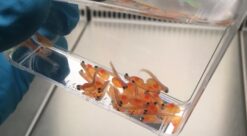
Bacteria-free fish fry put researchers on the track of how they could make fish more disease resistant.
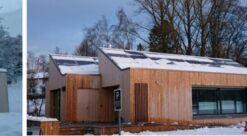
Norway has seen an increase in solar power capacity in recent years, but in winter solar panels face a big problem: snow. Researchers modelled how much extra electricity could be generated if solar panel surfaces were designed to repel snow and ice.

Many children have teeth that are practically falling apart due to weak enamel. Now researchers have studied whether a lack of vitamin D during pregnancy could be the culprit.
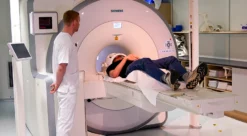
A radioactive tracer is being tested for the first time in Norway at St. Olavs Hospital and NTNU. The goal is to improve the detection of dementia diseases.

Seeing the similarity between graphic patterns or concepts can indicate whether a child has language difficulties.
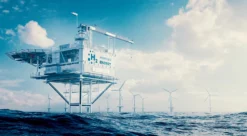
Producing hydrogen will become an important part of decarbonising Europe’s energy system and is one of the opportunities Norway has to maintain value creation along the lines of what the country has experienced with oil and gas.

Many infant formulas purport to be healthy in several ways. But the evidence is often razor thin. The companies usually manage the research themselves.
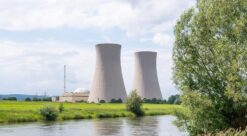
A comprehensive analysis of 870 power plants worldwide shows that nuclear power is a clear winner in protecting ecosystems. Bioenergy is a sure loser.

For some children with obsessive-compulsive disorder, therapy via the internet and apps can be more effective than physically attending treatment sessions.
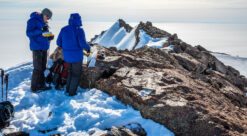
The ice sheet in Queen Maud Land in East Antarctica is not stable. Large amounts of ice have melted in the past, most recently as 5,000 years ago.

It has taken 18 years, but Professor Marit Otterlei has now created a completely new type of cancer medicine. No similar medication has progressed this far in development worldwide.
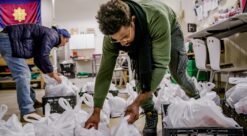
We might imagine that the differences between people in Norway are small, but this is not true. On the contrary, inequities have increased in recent years. And it matters who your parents are.

Skiers can gain on their competitors by having a detailed plan of what to do on the uphills. Timing their push at exactly the right moment is key to avoid expending too much effort.

Imagine sinking your teeth into a tender muffin that tastes good and is chock full of vitamins, antioxidants and other natural ingredients that is also good for your health, too.
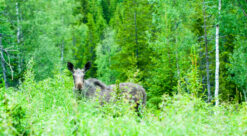
Climate researchers have long known that large animals, like moose, could play a role in how much the Earth will warm due to climate change. But the question is, how much? New research shows the answer can be a lot.
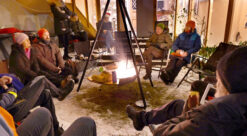
It looked like the COVID-19 pandemic might be a good time to be an introvert. Now a large study shows that extroverts handled the situation better.

By using a cutting edge technique to observe what’s happening at the atomic level inside their material, researchers at NTNU have discovered a surprising new method to make aluminium alloys stronger.
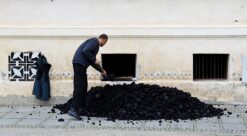
Can Europe use the energy crisis to help accelerate its efforts to achieve net zero greenhouse gas emissions by 2050? The EU’s Scientific Advisory Board on Climate Change says yes.