Sceptics of welfare schemes don’t increase with more immigrants
Scepticism about social welfare schemes can increase as immigration grows. But only among those who are already sceptical of immigrants.

Scepticism about social welfare schemes can increase as immigration grows. But only among those who are already sceptical of immigrants.

Passion determines whether you become the best of the best, including when it comes to football.

Healthier habits and more activity reduce the risk of developing type 2 diabetes. But many people still choose not to change their habits.

The United States received a lot of criticism when NATO Allies withdrew from Afghanistan. But the United States almost never pulls all its military out of a country completely. Maybe not often enough.
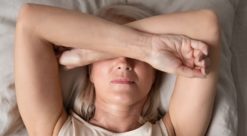
Some occupations got a lot busier when COVID-19 hit. Sleep and quality of life for many workers in essential occupations have been strongly impacted.
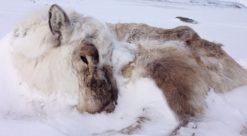
Hunting or other wildlife regulations can make a population more viable – if done correctly.
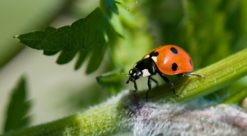
Ladybird beetles are probably among the most popular insects we have. Did you know that Norway has some 50 different species – plus some unwelcome guests?
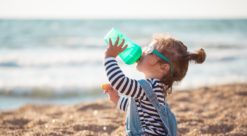
Little research has been done on how nano- and microplastics affect children. Researchers are surveying what we actually know and offer some useful tips to parents.
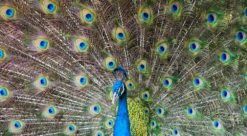
Dye pigments are often toxic, so researchers around the world have long been looking for effective ways to make non-toxic, recyclable and sustainable colours instead. The answer lies in nanotechnology and nature’s own methods.
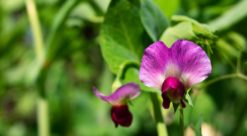
When temperatures rise, it affects the plants that agriculture and we depend on. Now we know more about how plants resist drought.

Plastic consumer products contain chemicals that may promote the development of overweight and obesity.
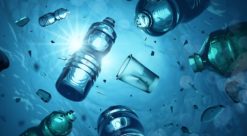
Plastic contains thousands of chemicals. Until now, we haven’t known if these leach into the environment to any great extent. Now we know that they do.
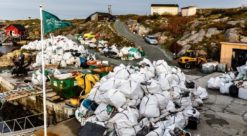
Mausund and the Froan Nature Reserve are located in an archipelago far out to sea along the Trøndelag county coast, but they are not exactly pristine. About 25 per cent of the soil in the area contains plastic.
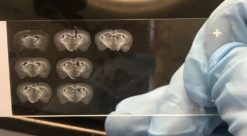
New findings show how experiments with animals can provide helpful information to understand Alzheimer’s and learn how we can better fight the disease.
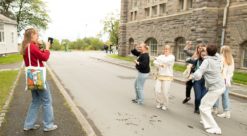
Universities want to recruit more women into technology fields. More men complete their studies then, too. The measures are working but need to be sustained over the long-term.

Neutron stars are the little siblings of black holes and show some of the most extreme phenomena in the universe. The European Research Council (ERC) is giving Professor Manuel Linares EUR 2 million to hunt them down.

Researchers are on the trail of a new method to protect against heart damage after cancer treatment.
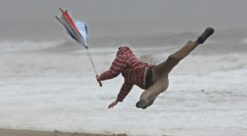
The Nobel Prize in Physics is going to three individuals who found that the world isn’t always as chaotic as we think.
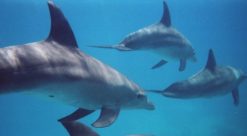
Ocean-dwelling dolphins have repeatedly adapted to life in coastal areas throughout history.
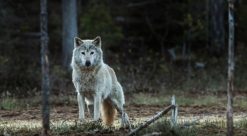
The Norwegian wolf died out in the wild a long time ago. The wolves in Norwegian forests today are Finnish. Inbreeding is making them prone to extinction as well.
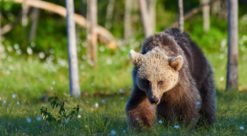
Climate change is not the greatest threat to the diversity of species on Earth. The main problem is that animal and plant habitats are disappearing.
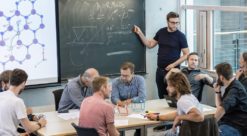
Researchers in Norway are among those at the forefront in the field of nanoelectronics. Their goal is to create electronic components at the atomic level, which would open vast possibilities for electronic gadgets.
Flu season might be much worse than usual because we have lost a lot of herd immunity. Pandemic measures are part of the reason. Hand washing and vaccination are still important.

World leaders have gathered in Glasgow to discuss climate change. But the most likely outcome is that actions won’t extend beyond the talk.
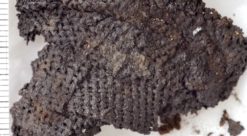
What did people make clothes from in the Neolithic? Çatalhöyük, the world’s largest known Stone Age settlement, gives us answers after 60 years of debate.
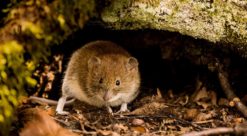
New research confirms that fluorinated compounds in ski waxes affect organs in mice.
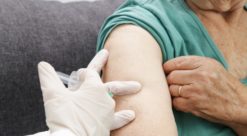
Several commonly prescribed medications used for completely different illnesses can enhance or reduce the activity of the influenza virus.
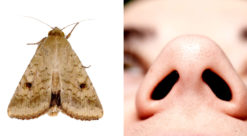
Scientists find remarkable similarities in the olfactory pathways of such diverse creatures as humans and insects.

The fight against COVID-19 is far from over. A new combination of drugs could help save lives.

Team Cerberus has won an international competition with their subterranean robots, competing against top-ranked challengers. The group is headed by an NTNU professor.

Digital teaching and meeting places can work. But some approaches make students feel more connected and improve results.
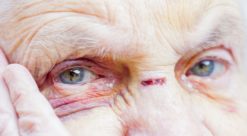
A majority of employees in Norwegian nursing homes have committed abuse or neglect of the elderly, a comprehensive report shows.