Ski wax chemicals alter animals’ brains and livers
New research confirms that fluorinated compounds in ski waxes affect organs in mice.

New research confirms that fluorinated compounds in ski waxes affect organs in mice.
Several commonly prescribed medications used for completely different illnesses can enhance or reduce the activity of the influenza virus.
Scientists find remarkable similarities in the olfactory pathways of such diverse creatures as humans and insects.

The fight against COVID-19 is far from over. A new combination of drugs could help save lives.

Team Cerberus has won an international competition with their subterranean robots, competing against top-ranked challengers. The group is headed by an NTNU professor.

Digital teaching and meeting places can work. But some approaches make students feel more connected and improve results.
A majority of employees in Norwegian nursing homes have committed abuse or neglect of the elderly, a comprehensive report shows.

Bacteria in wild bears become more resistant to antibiotics when human antibiotic use is high.

The UN Climate Panel wants us to stop using fossil fuels. Hydrogen is an alternative – but not without overcoming some obstacles first.
The cytotoxic drugs used in chemotherapy can themselves contribute to the cancer cells developing resistance to treatment.

Back pain is very common. But a new app called selfBACK can help us get better.

France covered up the consequences of their nuclear tests in the Pacific. As many as 110 000 people may have been exposed to radioactive fallout above the assumed safe levels.

People’s mood on Twitter varies according to more or less fixed patterns. Guess when we’re happiest.

Women are among the foremost athletes in the world. But few women head international sports organizations.

Young entrepreneurs are testing out drone transport of medical samples between two hospitals 100 kilometres apart.

Dopamine is often called the “happy” or “feel-good” hormone. It can help explain both autistic behaviours and men’s need for passion in order to succeed.

The higher parents’ education level, the more likely it is that their children will survive the first five years of life. Over three million births have been examined.

Most people obtain their information from multiple sources. Social media’s dreaded “echo chambers” have little significance for most of us, a new study shows.

Billions could be saved and earned by digitalizing the mining and metals industry. China and Norway are working together to make it happen.

A 12 000-year-old stickleback shows how species adapt.

Disposable products are bad. But durable goods account for two-thirds of the global household’s energy footprint.

Women and men are often jealous for completely different reasons. This gender difference occurs so early that it surprised the researchers.

The toxic pollutants in your ski wax basically never disappear. A Norwegian lake and the area around several Norwegian airports are full of them, and so is your body.
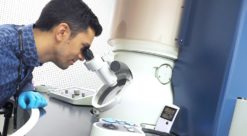
For more than 100 years, we’ve known that some metal alloys become stronger by being kept at room temperature. But we haven’t understood all the details – until now.

A lot of young people struggle with depression, a fact that is especially true for girls. But youth who are physically active are less vulnerable.

Do you regret what you did the last time you had the option of a one night stand? You probably have not learned anything to help you next time.

Some patients are more profitable for Norwegian hospitals than others. Most hospital physicians believe that managers care too much about the financial operation of hospitals.
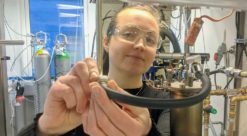
Metal production generates considerable emissions of greenhouse gases. But the type of ore used in production can make a big difference.

Rich countries get vaccines first. People with high status or a lot of money are healthier and live longer. New technology could increase the disparities.

Elderly people are at greater risk of dying from hip surgery if surgeons are in a hurry.

Two effective treatment methods for generalized anxiety disorders also reduces the neuroticism personality trait.

Everyone believes in at least one conspiracy theory, according to conspiracy researchers. Conspiracy theories aren’t reserved for angry Republicans in the United States. Do you think Biden stole the election?