The Middle Ages here and now
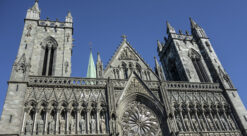
Medieval times may seem dusty and distant, but we are surrounded by the Middle Ages in many different ways in our daily lives.

Medieval times may seem dusty and distant, but we are surrounded by the Middle Ages in many different ways in our daily lives.
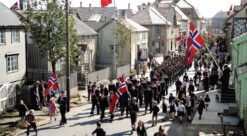
The conventional view has been that after the Second World War, Norway was impoverished and plundered, but the recovery actually went quite quickly. All the infrastructure that the occupying power built during the war played a significant role.
It is difficult to understand how conspiracy theories can create hatred directed at individuals and an entire people, but we are witnessing the same thing today.
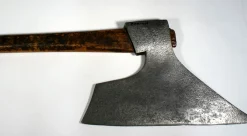
People have always been fascinated by real-life crime mysteries. True crime has become a popular genre in films, TV series, podcasts and books. The 19th century also had its own way of cultivating the genre.
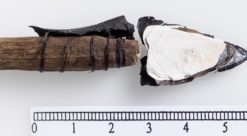
Norwegian mountains are full of time capsules. Thousands of years of human and ecological history are preserved in remnant patches of ice. Now this treasure trove of information threatens to melt away, unless we take action.
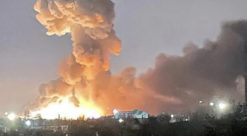
The war in and over Ukraine has already lasted nearly two months. There is little reason to assume that it will be over anytime soon.
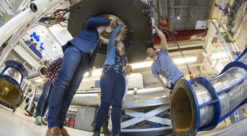
How Norwegian scientists and engineers harnessed the country’s wild waterfalls by developing super efficient turbines — and how advances in turbine technology being developed now may be the future in a zero-carbon world.
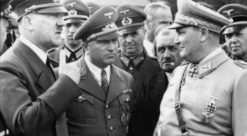
How the unlikely combination of WWII Germany, a modest English engineer who created a worker’s paradise, an ambitious industrialist prosecuted as a traitor and a hardworking PhD helped build modern Norway, one aluminium ingot at a time.
Why does Norway always rank among the top countries on the planet when it comes to gender equality? Part of the answer lies in medieval times, when Norwegian women battled the Hanseatic League with pirates and threatened to burn down towns to wield their power.
The war in Ukraine is a disaster foretold. The warnings have come from Russia – and they have been coming for at least 15 years and they have been consistent. But they have been ignored by the outside world. Russia’s invasion of Ukraine represents the loser’s ultimate revenge.
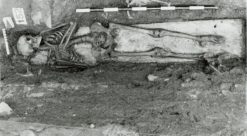
The coronavirus pandemic has made the whole world more aware of what diseases can do to a society. Now, archaeologists and biologists who are studying medieval pandemics, like the Black Death, are learning lessons about the past that may help us in the future.
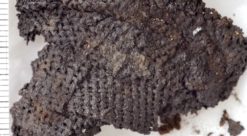
What did people make clothes from in the Neolithic? Çatalhöyük, the world’s largest known Stone Age settlement, gives us answers after 60 years of debate.
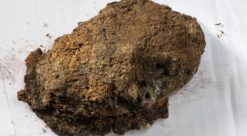
“Finding embroidered textiles from the Viking Age is so unusual that you almost can’t believe it’s true,” says archaeologist Ruth Iren Øien at the NTNU University Museum.
Plagues have ravaged Norway many times over the centuries. As early as 1625, the state took systematic action to prevent the plague from spreading. Isolation was a new idea that would prove to be effective. Strict restrictions were imposed on social gatherings, including limits on the number of people who could be present at weddings and funerals. Measures were also introduced to compensate the business community for the financial losses resulting from closures.
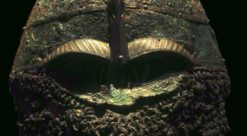
This may well be the most interesting story about pillows and bedding you will ever read.
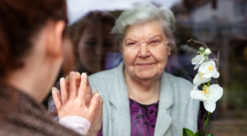
Norwegians are unspeakably tired of the measures imposed by the country’s Minister of Health, Bent Høie. But historian Erik Opsahl says the measures are mild compared to the old days. Imported infection during pandemics used to be stopped by gunfire.
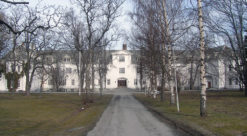
It’s easy to believe that society’s treatment of difficult, violent and criminally mentally ill people has become more humane over time. But that’s not the case. How patients at the end of the 19th century actually felt is difficult to say, but they were at least less exposed to mechanical coercion, according to an NTNU historian.
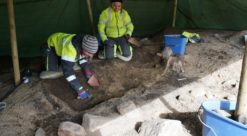
She was placed in a burial chamber and took several hundred miniature beads with her on her last journey. Who was the woman who was buried by Valsøyfjord over 1000 years ago?
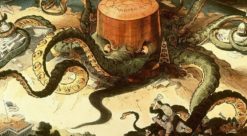
The world’s richest man and the world’s largest oil company dominated the petroleum market in Norway long before landmark finds on the Norwegian continental shelf and the Norwegian oil fund.

We often associate innovation with someone who invents something completely new. But innovation is also about improving and expanding on existing technology. One hundred and ten years of Norwegian engineering history provides plenty of examples.
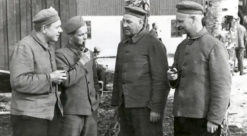
Eighty years have passed since the end of the Finnish Winter War. “The war is my family’s history too,” Soilikki Vettenranta writes in this Viewpoint article.
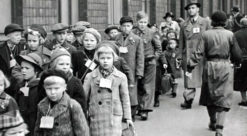
Heart-breaking images of children in refugee camps in Greece and Syria remind us of how war is driving children to flee their homes. Minors are being sent off to foreign countries. But this also happened in Norway’s neighbouring country of Finland during World War II.
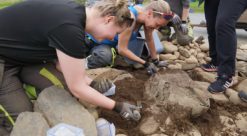
“Vessels like these were imported from the Roman Empire and confirm that this was an area of status and wealth during Roman times,” says archaeologist Merete Moe Henriksen.
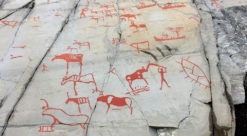
Regular protective treatment of rock carvings and paintings has done a good job protecting this important part of Norway’s cultural heritage. But according to the current schedule, the unique programme will end next year.