One in five Norwegians has tinnitus – but treatment provision is very poor
Researchers have concluded that many people are suffering unnecessarily and that treatment provision offered to patients is failing at many levels.


Researchers have concluded that many people are suffering unnecessarily and that treatment provision offered to patients is failing at many levels.

We should use all parts of whole farmed salmon and keep more of the residuals here in Norway. Researchers say this will help protect the environment while ensuring salmon welfare.
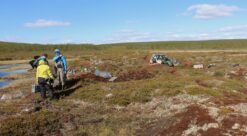
Ever wonder how climate researchers know what they know? 63 Degrees North journeys to 69.5 degrees North to find the answer to that exact question.
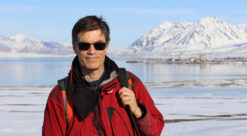
NTNU Amos is an expansive ocean research and innovation community that’s composed of both highly honed specialist expertise and an incredibly broad scope of knowledge. It also adheres to a popular Norwegian football strategy: Develop talents by allowing them to do what they do best – and playing to each other’s strengths.
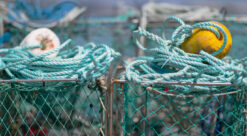
The aquaculture sector can now download a set of guidelines containing 25 ideas about the circular use of plastics.
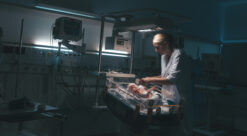
Ultrasound technology from NTNU makes it possible to monitor cerebral blood flow in newborn babies, helping prevent brain damage in premature and sick infants who require surgery.
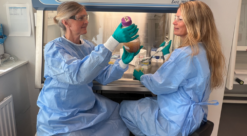
Yes, say researchers – who suspect that disinfectants used in food production may in fact be exacerbating a global public health problem.
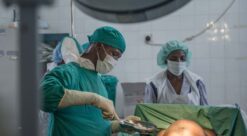
Sierra Leone used to be the most dangerous place in the world to give birth. Without enough doctors to do C-sections, women and babies were dying. But what if you didn’t need a doctor?

Calculations reveal that hydrogen, batteries and solar panels will make it possible to use electric construction machinery on sites where access to the grid is limited.

Bacteria in raw seafood can make you sick. Seafood can also spread bacteria that are resistant to antibiotics.
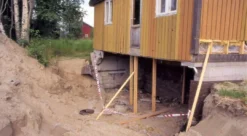
Was your house damaged following the recent ‘Hans’ extreme weather event? SINTEF can advise you about what you can do to limit the extent of the damage.
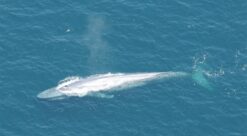
Nineteenth-century Norwegian technology helped bring large whale populations to the brink of extinction. Can 21st-century technology help save them?
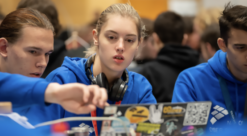
The need for cyber security expertise is steadily increasing. This summer’s cyber attacks against 12 Norwegian ministries and the Storting were a stark reminder of this. According to an NTNU researcher, hacking in organized forms is the solution.
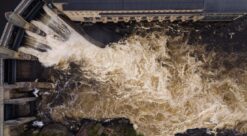
There can be no new, ‘green’ jobs without electricity. So, researchers have three pieces of advice to offer politicians as to what we should be doing to ensure adequate future energy supplies.
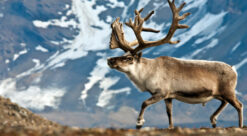
Despite inbreeding and limited genetic diversity, the Svalbard reindeer has managed to adapt to extreme living conditions in record time — what researchers call a genetic paradox. But can they survive climate change?
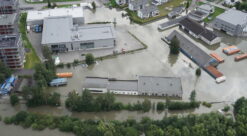
An extreme storm in Norway called Hans has accelerated the debate about how we should build and where we can live. Adapting to wilder and wetter weather also means that engineers are exposed to greater ethical pressure.
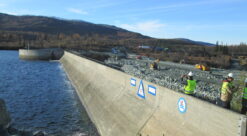
The smarter utilisation of Norwegian hydropower will promote nature conservation, improve access to energy and boost earnings.
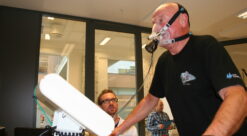
We all know that exercise is good for us, but how much, how hard, how long? One exercise physiologist’s research journey and the answers he found.
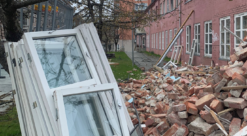
Norway has declared ambitious targets for waste reduction in the building industry. Researchers have been asking sector representatives what needs to be done to achieve them. This article lets you in on some of the answers.
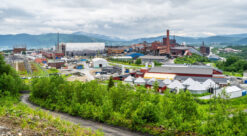
According to researchers, so-called ‘industrial symbioses’ and ‘green hubs’ are offering answers to the challenge of meeting Europe’s climate change mitigation targets.
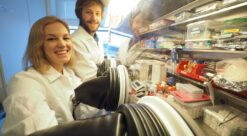
Researchers at NTNU are searching for materials that could be used to make Li-ion batteries with a higher energy density.
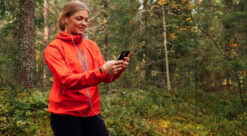
Apps and games make us exercise more often, play more, run further, learn better and work smarter. Meet the innovators who make you do the things you should be doing but that you maybe don’t want to.

Researchers have succeeded in nurturing a small snail called periwinkles in the laboratory for the very first time and are hoping that this French delicacy might be the launch pad for a new, Norwegian aquaculture business.

Sepsis, or blood poisoning, occurs more frequently than previously estimated by professionals. At the same, mortality rates have declined sharply. The two are connected.